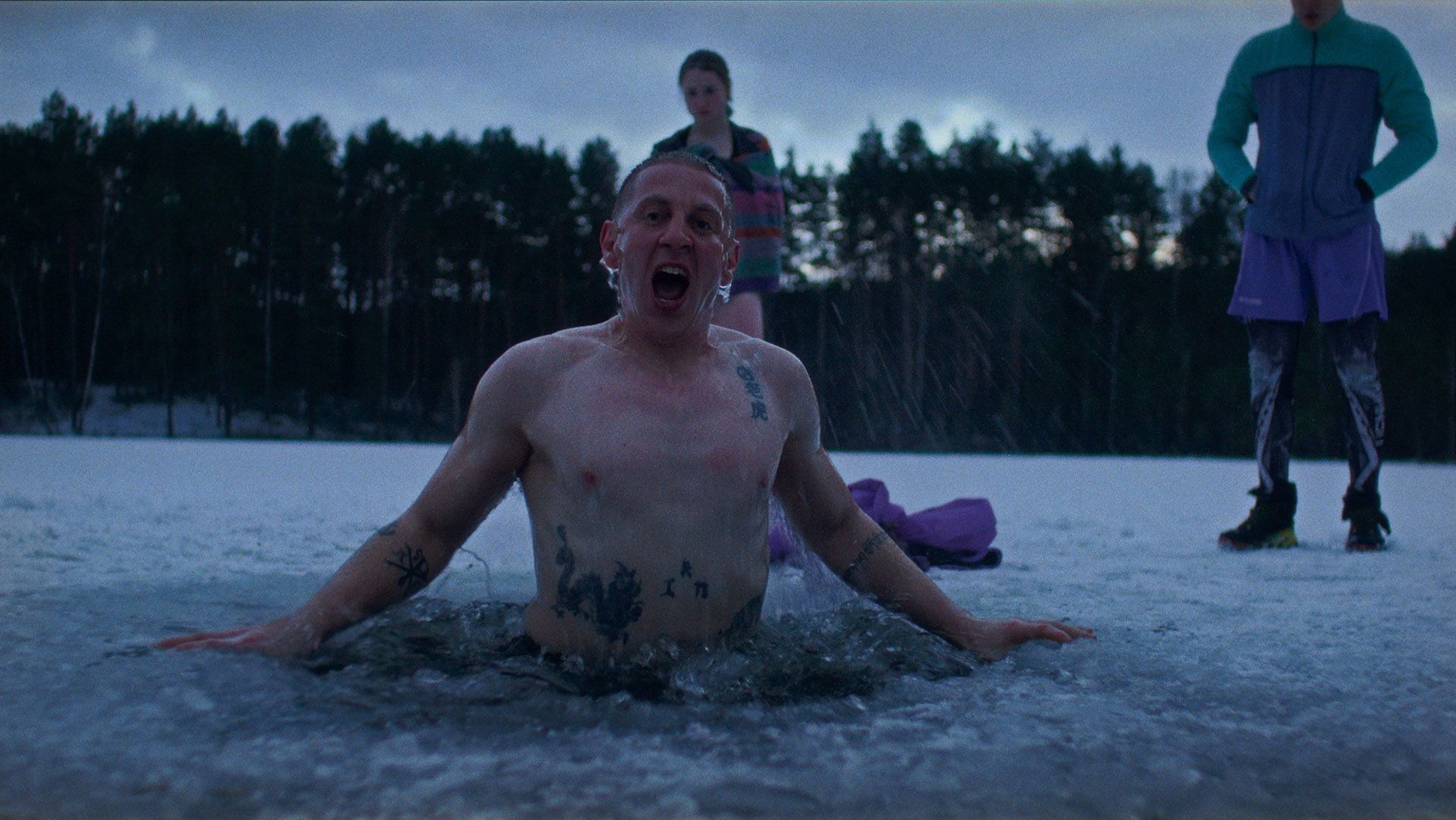
A hard-hitting drama titled China Sea explores the life of a canceled Lithuanian martial arts champion as he seeks redemption while grappling with his violent past. Directed by Jurgis Matulevičius and written by Saulė Bliuvaite, the film highlights themes of guilt and second chances. It premiered at the 29th edition of the Tallinn Black Nights Film Festival in Estonia, where it won the Critics’ Picks Competition.
The narrative centers around champion fighter Osvald, portrayed by Marius Repšys, who faces a ban from competition after injuring a girl during a street fight. Isolated in his Lithuanian hometown, he finds refuge in a Taiwanese restaurant owned by his only friend, Ju-Long. As Osvald undergoes court-ordered therapy, he encounters Skaistė, a woman who introduces him to a life he has never experienced. However, his violent history resurfaces, forcing him to confront his past and make a choice between redemption and self-destruction.
The film’s cast also includes actors Jag Huang, Severija Janusauskaite, Sonia Yuan, and Vaidotas Martinaitis. The story is inspired by the real-life experiences of a Lithuanian fighter who achieved fame in Asia during the early 2000s. Matulevičius described the challenge of portraying a controversial figure, acknowledging that while the fighter was a superstar abroad, he was also known for violent incidents at home.
Bliuvaite shared insights into the film’s development, noting that the narrative emerged from their shared interest in exploring the immigrant experience in Lithuania. The film juxtaposes the lives of the protagonist and a Taiwanese family running the restaurant, both marked by isolation in their respective worlds.
The film opens with actual footage of a fight, setting the stage for Osvald’s struggles. Matulevičius explained that the intention was to blend reality with fiction, creating a seamless introduction to the protagonist’s former glory. He emphasized the emotional turmoil faced by Osvald, who embodies the challenges of toxic masculinity and the difficulty of expressing vulnerability.
As the story unfolds, Osvald begins to recognize the need for personal change. He starts mentoring children and forming connections with immigrants, illustrating his journey towards healing. Bliuvaite remarked on the film’s underlying theme: individuals striving for personal betterment amidst societal challenges.
The title China Sea serves as a metaphor for the obstacles one must overcome to achieve personal growth. It reflects the journey of both Osvald and the immigrant family, highlighting the common struggles of isolation and the quest for belonging.
Matulevičius drew inspiration from the documentary The Work, which addresses rehabilitation in a profound way. He cast Repšys for his physicality and martial arts background, noting the actor’s commitment to transforming his physique for the role.
Shooting in Taiwan added a layer of complexity to the production. The filmmakers were initially unsure if they could collaborate with renowned Taiwanese actors but were pleasantly surprised by their interest in the project. The diverse casting highlights the film’s unique co-production between Lithuania and Taiwan.
Technical challenges arose during filming, particularly with a scene set in icy waters. The creative team devised a solution involving strings for safety, which required extensive post-production work.
While China Sea represents a significant collaboration between Matulevičius and Bliuvaite, they are currently pursuing individual projects. Matulevičius expressed a desire to explore different themes in future films, including a story set in the Curonian Spit, a UNESCO World Heritage Site.
As the film continues to gain recognition, its exploration of human struggle and resilience resonates with audiences, making it a poignant addition to contemporary cinema.