UPDATE: Indigenous communities in Brazil are making urgent demands during the ongoing COP30 conference in Belém, Brazil, where they assert their lands are not for sale. Protesters, primarily from Indigenous Amazonian groups, stormed restricted areas of the climate summit, voicing their determination to free their territories from agribusiness, oil exploration, and illegal logging.
As global carbon emissions rise, the Ka’apor people stand out as a beacon of hope. They have successfully restored 80 percent of their previously deforested lands through direct action, thwarting illegal loggers since 2013. “We want our lands free from agribusiness, oil exploration, illegal miners and illegal loggers,” declared a leader from the Tupinamba community. This grassroots resistance highlights the urgent need for effective land protection measures.
Despite the climate conference’s focus on Indigenous empowerment, local communities criticize the FUNAI (Brazilian government agency) for being an obstacle rather than an ally. The Ka’apor have expelled FUNAI from their territory, accusing the agency of siding with loggers and failing to protect their rights.
In the Atlantic Forest, similar resistance is seen among the Guarani people. Community leader Jerá Guarani revealed that their struggle to reclaim land involved protests and direct actions, as governmental promises often fell short. “Our movement became something much more widespread, decentralized, and not patriarchal,” she stated, emphasizing the evolution of their fight.
The conference is far removed from the realities faced by these communities. While COP30 showcases Indigenous representatives, many express frustration over the disconnect between high-level discussions and the pressing issues on the ground. The UN acknowledges that Indigenous people safeguard 80 percent of the planet’s biodiversity but receive less than 1 percent of international climate funding, starkly highlighting the funding disparity that undermines effective environmental action.
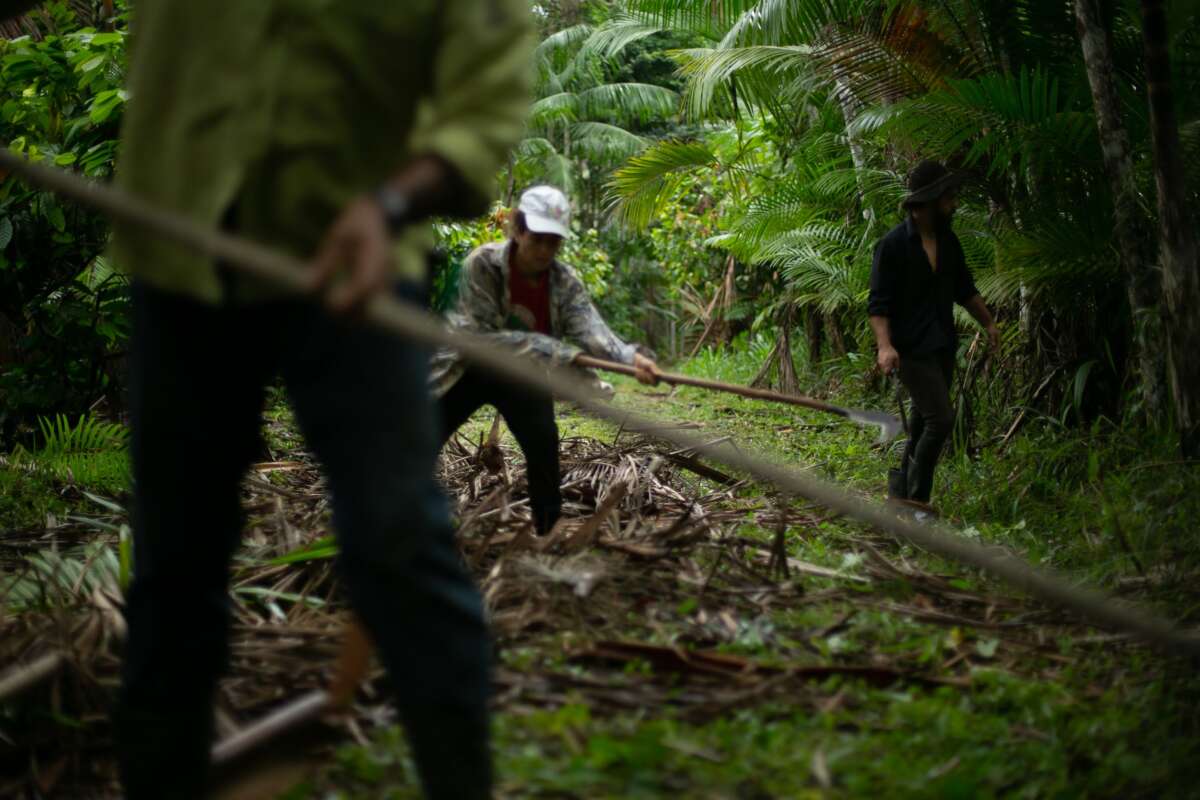
Community-led initiatives are transforming agricultural practices. In the recovered community of Terra Vista, families have reclaimed an abandoned chocolate plantation, restoring it into a vibrant ecosystem through Indigenous methods of cultivation. They produce 1,000 kilos of corn seed annually, supporting food autonomy and ecological restoration.
These grassroots movements challenge the status quo. “If you wait for the government to do something, you’ll still be sitting around when you die,” warned Kaingang leader Gah Te Iracema. Their approach exemplifies how communities can thrive by embracing traditional practices and rejecting capitalist models that harm both the environment and their cultures.
As COP30 unfolds, it becomes increasingly clear that real solutions to the climate crisis lie beyond the conference’s guarded walls. Indigenous groups are turning to solidarity and mutual aid networks, creating a powerful framework for sustainable living that many believe could be a model for global change.
With the climate crisis escalating, the world must look to these communities for inspiration. Their resilience and innovative approaches to land management highlight the urgent need for a shift away from reliance on ineffective governmental frameworks and towards empowering Indigenous voices.
The TIME IS NOW for global recognition of these efforts. As Indigenous leaders continue to rally for their rights, the message is simple: the future of our planet may depend on their survival and success.