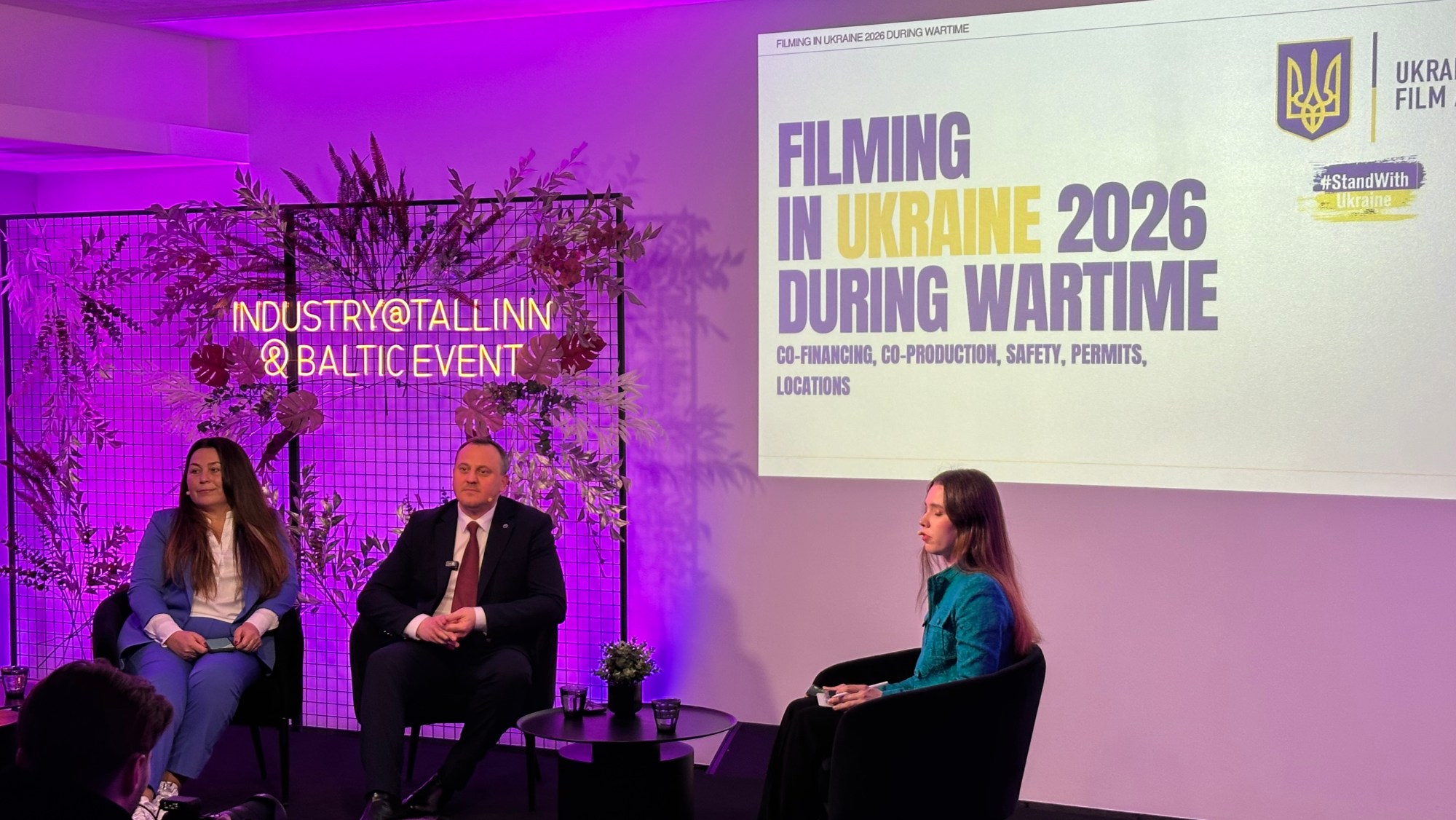
Ukraine is taking significant steps to revitalize its film industry, even amid ongoing challenges from the war with Russia. According to Andrii Osipov, the head of the Ukrainian State Film Agency, the country has successfully completed 50 homegrown film productions between December 2024 and the end of this year. This announcement came during the “Filming in Ukraine 2026” session at the Tallinn Black Nights Film Festival in Estonia.
Osipov highlighted that despite the war, the Ukrainian film sector has shown resilience, with films premiering every one to two weeks. He noted, “This year, 50 Ukrainian films will be finalized. It is really a huge number for the Ukrainian film industry.” Several of these projects had commenced before the invasion and recently received additional funding to complete their production.
Plans are underway for a new culture fund aimed at further energizing the film sector. Osipov announced an initiative proposed by President Volodymyr Zelensky that will allocate 50 million euros (approximately $57.5 million) for films, theater productions, and other cultural outputs in the coming year. He explained that 70 to 90 percent of this funding would be directed to Ukrainian producers, while the remainder would support international co-productions.
Cash Rebates for International Productions
One of the most anticipated developments is the introduction of Ukraine’s first-ever cash rebate program for international film productions. This program is expected to launch in early 2025, offering a 25 percent rebate on qualified expenses, with an additional 5 percent available for productions meeting specific cultural criteria. Osipov expressed a desire for the Ukrainian film industry to flourish, stating, “We want the Ukrainian film industry to develop, and we want to develop together with the whole world.”
However, the ongoing conflict continues to present significant hurdles for filmmakers. Osipov explained, “During air raids, all filming has to be stopped.” He also mentioned new challenges, such as power blackouts that interrupt production processes, particularly during post-production when rendering files becomes difficult. Additionally, mobilization efforts in Ukraine have resulted in a shortage of film professionals, with some being called to duty directly from film sets.
Deputy head of the Association of Regional Film Commissions of Ukraine, Oksana Chornobryvtseva, also addressed attendees in Tallinn, emphasizing that the country remains open to supporting all production processes, both for domestic and international filmmakers. She stated, “There are 10 regional film commissions that continue their work across the country.”
Chornobryvtseva cautioned that foreign productions should be prepared for potential delays due to the war. She highlighted logistical challenges, such as increased border crossing times due to security checks and the impact of damaged roads on transport schedules. A slide she presented noted that “geolocation services may be unavailable during alerts,” indicating that planning routes offline is advisable.
As Ukraine seeks to expand its film industry and attract international talent, the combination of cash incentives and a commitment to supporting filmmakers reflects the country’s determination to overcome adversity and foster a vibrant cultural landscape.