A recent inquiry highlights the emotional complexities of a parent-child relationship strained by addiction. A mother, identifying herself as “Trying to Heal,” shared her experiences with her 24-year-old son while he stayed in her one-bedroom condo. During this time, she struggled with alcohol addiction, leading to a brief relapse and subsequent psychiatric help. The conversation that ensued revealed significant trauma her son endured due to her past behavior.
After a five-month period of sobriety, the mother reached out for support when she encountered difficulties. During her hospitalization, her son opened up about the emotional scars inflicted during her drinking days. He revealed that he had retained videos and messages documenting her erratic behavior during those periods, stating he feels it would be too traumatic to share them at present.
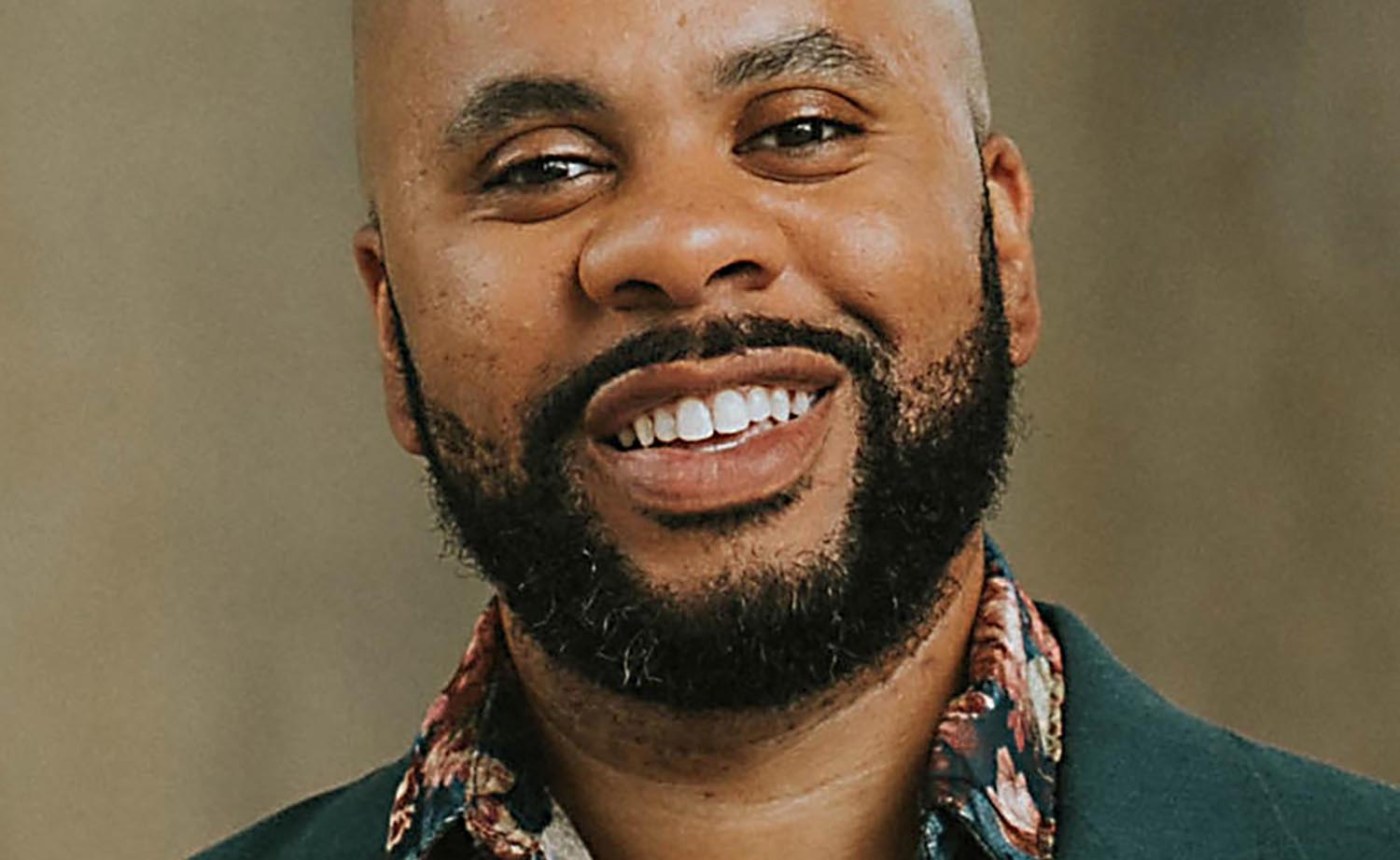
According to Eric Thomas, a relationship expert, it is crucial for both parties to approach this situation with care. He advised against viewing the videos now, suggesting that neither individual is in a suitable emotional state to handle the repercussions of such a viewing. He emphasized the importance of viewing these recordings within a context focused on recovery, where their purpose would be to aid in healing and understanding.
The son’s reluctance to share these videos indicates the depth of his trauma. Thomas recommended that he explore support groups such as Al-Anon or SMART Recovery Family meetings, which could provide him with the necessary tools to navigate his feelings and resentment. He suggested that the mother express her willingness to assist him in finding a meeting and potentially accompany him, fostering a supportive environment while ensuring he takes the lead in his recovery journey.
In a separate inquiry, another concerned parent known as “Unthanked” raised a different issue regarding her daughter. The daughter, now 31 years old, has not sent thank-you notes for gifts received over the years, including those for her wedding and graduations. The mother expressed frustration, especially as she prepares to host a baby shower for her daughter.
Thomas advised against a direct confrontation during the shower, noting that presenting thank-you notes as a gift might seem passive-aggressive and detract from the celebration. Instead, he suggested having a conversation prior to the event, where the mother could discuss the importance of gratitude without imposing shame on her daughter. Encouraging her daughter to acknowledge gifts could foster a more respectful and appreciative attitude.
The dynamics of these relationships underline the ongoing challenges faced by families dealing with addiction and behavioral issues. As the mother of the first query continues her recovery, both she and her son must confront their past while finding healthier ways to communicate and support each other.
As families navigate these complex emotional landscapes, experts like Eric Thomas provide valuable guidance on fostering understanding and healing. It is essential for both individuals to prioritize their mental health and seek support systems that can facilitate their journeys forward.