A proposed bill in the U.S. House of Representatives aimed at enhancing transparency in civil litigation has drawn significant opposition from various conservative groups. The legislation, known as the Litigation Transparency Act of 2025, is spearheaded by Republican Representatives Darrell Issa, Scott Fitzgerald, and Mike Collins. Critics argue that the bill could hinder donor participation and complicate legal actions for individuals with limited financial resources.
In a letter dispatched to the House Judiciary Committee, the organization Tea Party Patriots Action urged lawmakers to reject HR 1109. The proposed legislation requires parties involved in lawsuits to disclose their identities if they receive financial support for litigation. The letter warns that such “sweeping disclosure mandates” could violate essential American values, including personal privacy and freedom of speech.
According to the letter, signed by over a dozen conservative entities, the bill would compel litigants to reveal intricate financial details about their cases, independent of the legal discovery process. “The end result will be fewer Americans having the resources or willingness to bring legitimate claims,” the letter states, highlighting fears that the legislation could chill free speech and undermine future legal battles over significant issues.
Issa addressed concerns on Fox News Digital, asserting that there is “misinformation” about the bill’s intent. He clarified that the legislation does not aim to overturn the Supreme Court decision in NAACP v. Alabama, which protects the confidentiality of donor lists for certain organizations. Instead, he emphasized that the bill seeks to ensure transparency regarding third-party financial backers involved in lawsuits.
Proponents of the legislation, including the U.S. Chamber of Commerce, argue that it is a critical step to ensure the legal system is not manipulated by undisclosed financial interests. In a press release announcing the bill in February, Issa stated, “Our legislation targets serious and continuing abuses in our litigation system that distort our system of justice.”
The bill responds to concerns that undisclosed third-party funding can lead to inflated settlements and abusive lawsuits. It aims to provide clarity by requiring that any material funder involved in a lawsuit be disclosed, thus enabling judges to determine the relevance of such funding. Issa noted that ensuring judicial oversight is essential for maintaining integrity in the legal process.
Many advocacy organizations, however, argue that the proposed changes could limit access to justice for individuals and groups without substantial financial backing. Nonprofits such as Consumers’ Research have increasingly utilized litigation finance to counter what they term “woke capitalism.” The group’s executive director, Will Hild, described the legislation as an “attack” on essential tools that allow Americans to hold powerful corporations accountable.
Critics fear that mandated disclosure of private financial arrangements could expose donors to harassment and retaliation. In an op-ed opposing the legislation, Alan Sears, founder of Alliance Defending Freedom, referenced Supreme Court rulings that affirm the right to privacy in political associations, arguing that forced disclosure undermines fundamental freedoms.
Supporters of the bill have also raised concerns about foreign influences in U.S. courtrooms. Organizations like the High Tech Investors Alliance have commended the legislation for its potential to protect American businesses from exploitation by foreign entities and hedge funds. They argue that increased transparency in litigation funding is crucial for safeguarding the integrity of the legal system.
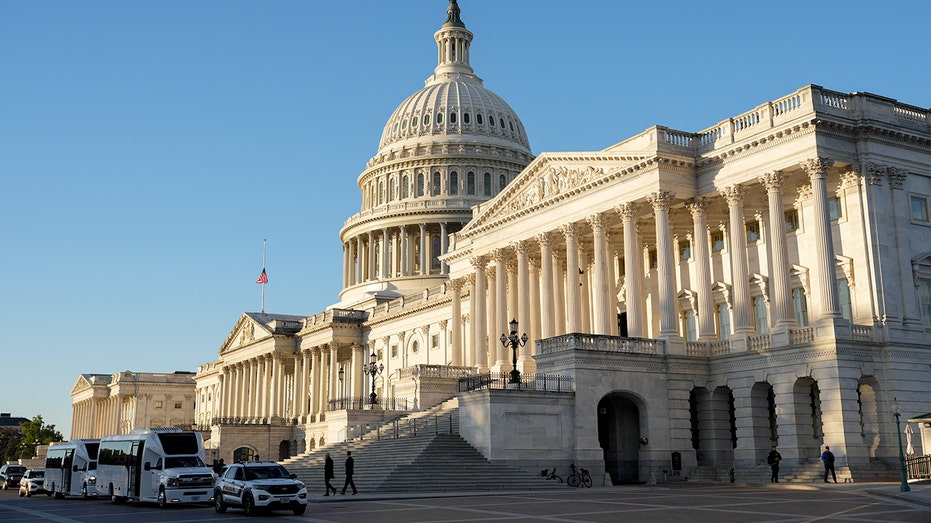
As discussions around the bill continue, the House Judiciary Committee is expected to review HR 1109. Issa has reiterated that while transparency is necessary, the legislation does not require excessive disclosures that could burden organizations or individuals. “We just want to ensure that judges are aware of who the litigants are and, as appropriate, disclosing them is required,” he said.
The debate surrounding the Litigation Transparency Act reflects broader tensions in the American legal landscape, particularly regarding the balance between accountability and access to justice. As the committee prepares to mark up the bill, the impact of these proposed changes remains a focal point for lawmakers and advocacy groups alike.