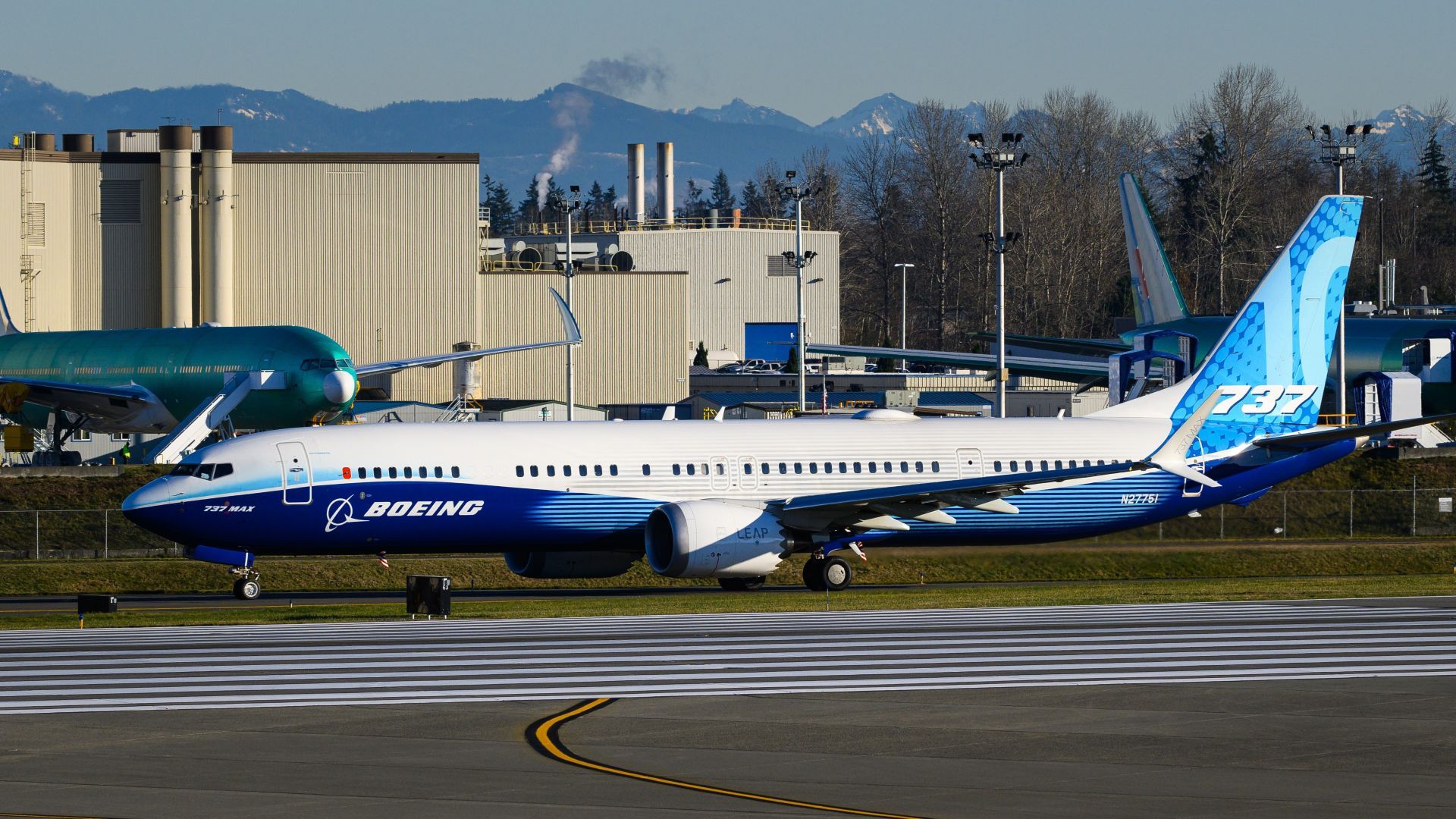
Boeing has finalized the design and engineering of a new engine anti-ice system for the 737 MAX, marking a significant milestone in the aircraft’s certification process. The company is currently collaborating with the Federal Aviation Administration (FAA) to establish a certification plan for this system, which will be included in new deliveries and retrofitted to existing aircraft. This advancement is crucial for the long-delayed 737 MAX 7 and 737 MAX 10 variants, which have faced setbacks primarily due to issues related to the anti-ice system.
The redesigned engine anti-ice system operates by directing air into the inlet cowl during icing conditions to prevent ice buildup. However, earlier testing raised concerns about the potential for thermal damage to the nacelle’s composite structure under prolonged use. The nacelle is designed by Boeing, and the company has invested significant time over the past few years to develop viable solutions. This extensive design review process has delayed the certification of both the 737 MAX 7 and the 737 MAX 10, while also impacting the operational limitations set for the existing 737 MAX 8 and 737 MAX 9 variants.
During the Dubai Airshow 2025, Stephanie Pope, President and CEO of Boeing Commercial Airplanes, remarked, “We’ve spent thousands of hours getting that design done. Now it’s defining the certification plan, getting the FAA to accept that certification plan.” This statement underscores the effort Boeing has dedicated to resolving the challenges presented by the anti-ice system.
Next Steps for Certification and Production
The news about the redesigned system emerged on the third day of the biennial Dubai Airshow, a key event for securing aircraft orders. While the redesign will not directly affect the ongoing production of the 737 MAX 8 and 737 MAX 9, it represents a critical step for the 737 MAX 7 and 737 MAX 10 variants. Boeing is now in talks with the FAA to create a comprehensive certification plan for the new system. The FAA will conduct a thorough review before approving the certification or asking for modifications.
Once certified, both the 737 MAX 7 and 737 MAX 10 can enter service, while a retrofit plan will be established for the in-service 737 MAX 8 and 737 MAX 9 aircraft. The 737 MAX 8 has emerged as the standout model in the 737 MAX family, while the 737 MAX 7 is primarily being produced for Southwest Airlines, which has placed orders for over 300 units. The 737 MAX 9 is already in the delivery phase, but the 737 MAX 10 is not only delayed due to the anti-ice system but is also gaining traction in the market.
The 737 MAX 10 has garnered more than 1,200 orders since its launch, with expectations that its competitive economics will boost demand further. Boeing anticipates that the aircraft will enter service in 2027 with WestJet. This development is crucial for Boeing as it seeks to strengthen its foothold in the narrowbody aircraft market, where the Airbus A321neo has dominated with over 7,000 orders.
Importance of Certification for Future Sales
The certification of the 737 MAX 7 is somewhat lower on Boeing’s priority list, as it has received minimal orders apart from those from Southwest Airlines. While it is essential for fulfilling existing contracts, the aircraft is priced lower than its counterparts, which may limit Boeing’s profit margins. In contrast, the 737 MAX 10 represents a more significant opportunity, promising higher margins and a direct response to the Airbus A321neo.
With the completion of the anti-ice system design, Boeing is poised to enhance its competitive edge in the narrowbody market. The company plans to ramp up production to 42 737 MAX jets per month, which will significantly bolster its operational capabilities as it navigates the complexities of certification and market demand. As the aviation industry continues to recover and expand, the successful introduction of the 737 MAX 10 could solidify Boeing’s position against its rivals.