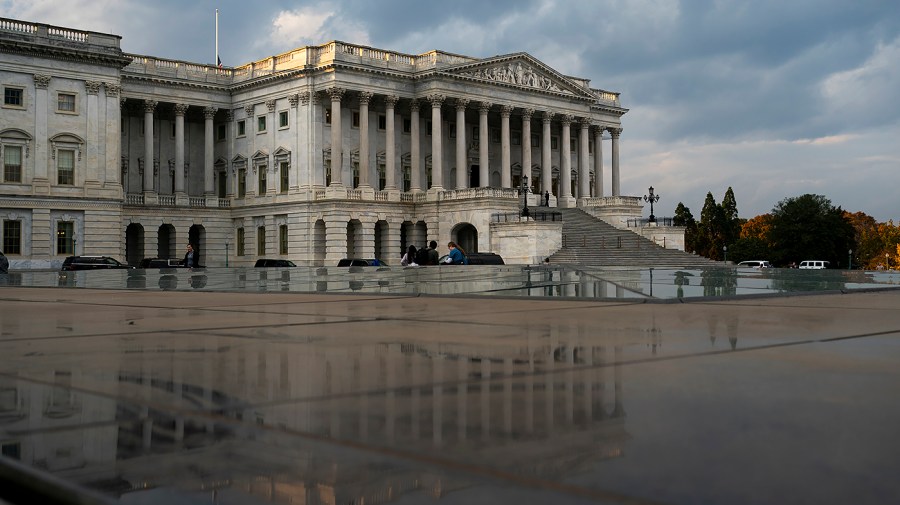
The U.S. Senate’s long-standing filibuster, a procedural tactic used to extend debate and delay legislative action, is facing renewed scrutiny and potential reform. This development comes as both major political parties grapple with a legislative logjam, particularly concerning key issues such as voting rights and climate change legislation.
The term “filibuster” has its origins in a Dutch word meaning pirates, which reflects its disruptive nature in legislative contexts. Historically, the practice dates back to ancient Rome, where figures like Cato the Younger famously spoke for hours to obstruct the ambitions of Julius Caesar. In the modern U.S. Senate, the filibuster has evolved into a powerful tool that requires a supermajority of 60 votes to close debate on most matters, effectively allowing a minority to block legislation.
As discussions around the filibuster’s future intensify, Senator Joe Manchin of West Virginia has emerged as a pivotal figure. He has consistently advocated for preserving the filibuster, arguing that it promotes bipartisan cooperation. Manchin’s stance reflects a broader concern among some lawmakers that eliminating the filibuster could lead to increased partisanship and instability in governance.
In contrast, Senate Majority Leader Chuck Schumer and other Democrats are pushing for reforms, particularly in light of the recent challenges faced in passing critical legislation. The Democrats argue that the filibuster has been weaponized, hindering efforts to address pressing national issues. The urgency for reform has been underscored by the upcoming elections and the need to deliver tangible results to constituents.
Potential Reforms and Political Implications
The debate over the filibuster is not merely procedural; it carries significant political implications. If Democrats proceed with plans to amend or eliminate the filibuster, they may face backlash from moderate members within their own party, including Manchin and others who fear the long-term consequences of such a move.
Recent polling indicates that public opinion is divided on the issue. A survey conducted in early 2024 found that approximately 55% of Americans support maintaining the filibuster, while 45% favor its elimination. These numbers suggest that any reform efforts will require careful navigation of both legislative and public sentiment.
The stakes are particularly high as the Senate approaches critical deadlines for legislation. With major policy initiatives on the table, including those related to climate change and healthcare, the filibuster’s future could significantly affect the Biden administration’s agenda. Analysts suggest that if the Democrats succeed in reforming the filibuster, it could pave the way for more ambitious legislative efforts.
The Historical Context of the Filibuster
Understanding the filibuster’s role in U.S. politics requires a historical perspective. While initially used sporadically, it became a commonplace tactic in the 20th century, particularly during the civil rights movement, when lawmakers employed it to block legislation aimed at advancing racial equality.
As the political landscape has evolved, so too has the perception of the filibuster. Critics argue it has become a tool for obstruction rather than debate. Proponents, on the other hand, view it as a safeguard for minority opinions, ensuring that significant changes are not made without broad consensus.
The current discourse surrounding the filibuster reflects a broader struggle within American politics. As parties grapple with polarization and the need for effective governance, the future of the filibuster may ultimately hinge on the ability of lawmakers to find common ground. As the Senate prepares for critical votes in the coming months, the outcome of this debate will likely shape the legislative landscape for years to come.