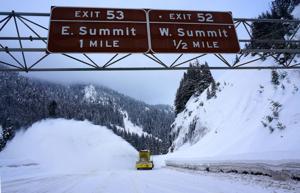
UPDATE: Washington transportation officials have just announced a transformative shift in avalanche control at Snoqualmie Pass. The state will discontinue the use of artillery, including a World War II-era Howitzer, and instead implement a state-of-the-art remote-controlled avalanche control system.
This urgent update comes as Snoqualmie Pass, which typically receives over 450 inches of snow annually, poses a significant risk to the 28,000 vehicles that traverse it daily. The decision to upgrade was made possible by a $1 million appropriation from state legislators, aimed at enhancing safety and efficiency.
The new system comprises six remote-controlled avalanche control towers and deployment boxes that are powered by solar panels. These innovative devices will allow crews to safely trigger controlled avalanches far from the hazards of explosives, marking a major improvement in avalanche management.
According to Tina Werner, a spokesperson for the Washington State Department of Transportation (WSDOT), “This is a safer, more effective system than what we were previously using.” The previous methods, which included firing artillery to trigger avalanches, were deemed outdated and posed risks to personnel working in close proximity to explosives.
The transition from artillery to this modern system represents a significant leap in avalanche control technology. Previously, the process required up to six hours of preparation before any shots could be fired, and roads remained closed for hours afterward as crews cleared the aftermath. Under the new system, setup can be completed in mere minutes, significantly reducing road closures to between 30 minutes and 2 hours.
Avalanche control supervisor John Stimberis noted the crucial safety benefits: “Previously, my crew was less than a foot away from launching artillery systems. Now we’ll be able to force an avalanche in a controlled environment, potentially miles away.” This new approach not only enhances safety for the crews but also promises a longer lifespan for the equipment, projected to last at least 30 years.
Washington now joins states like Colorado, Utah, Alaska, Wyoming, and California in adopting this advanced avalanche control technology. A similar system has already been successfully implemented at Stevens Pass.
The urgency of this development cannot be overstated. With winter rapidly approaching, the new avalanche control measures are essential for ensuring the safety of both transportation crews and the thousands of drivers who depend on Snoqualmie Pass.
As officials finalize the implementation of this cutting-edge system, the community can expect safer travel conditions and improved avalanche management in the critical months ahead. Stay tuned for further updates on this developing story.