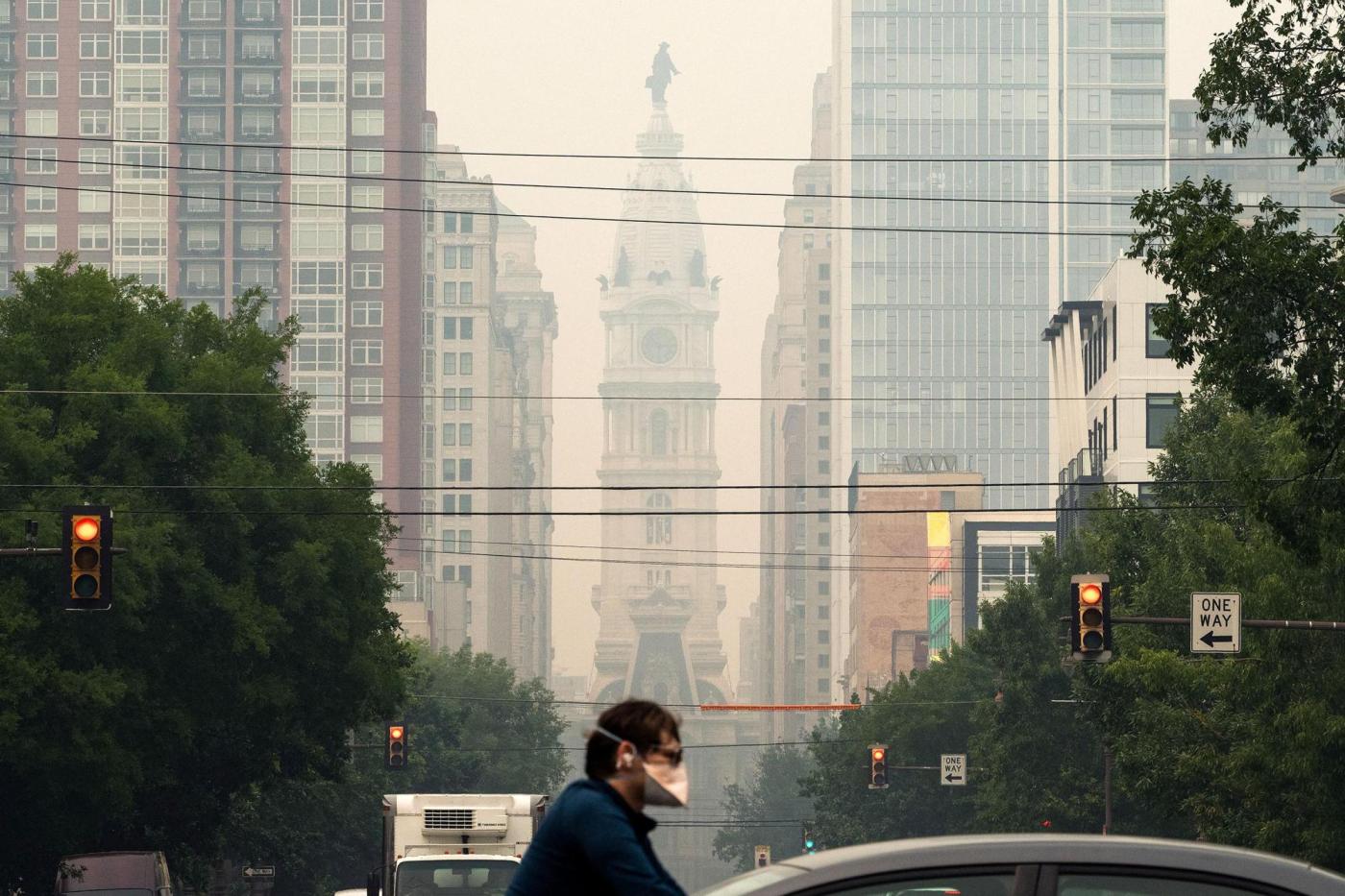
Recent research highlights a troubling link between air pollution and cognitive decline, particularly Alzheimer’s disease. A study at the University of Pennsylvania examined the brains of two patients who had agreed to donate their organs for research. The findings suggest that chronic exposure to fine particulate matter, known as PM2.5, may significantly impact the development of dementia.
Research Findings and Their Implications
In this study, the autopsy of a man who died at 83 revealed extensive Alzheimer’s pathology, including amyloid plaques and tau tangles, along with signs of past strokes. He lived near Interstate 676 in downtown Philadelphia, an area known for higher levels of air pollution. In contrast, an 84-year-old woman who died of brain cancer displayed minimal signs of Alzheimer’s and lived in the less polluted suburb of Gladwyne, Pennsylvania. The air quality in her area exposed her to less than half the PM2.5 levels compared to those experienced by the man.
According to Edward Lee, a neuropathologist at the university’s Perelman School of Medicine, these findings are significant. “The quality of the air you live in affects your cognition,” he stated, as he is the senior author of a recent article published in JAMA Neurology.
This study is part of a broader trend in research linking air pollution to neurological health. The Lancet Commission included air pollution in its list of modifiable risk factors for dementia, alongside issues such as diabetes and smoking. Despite this growing body of evidence, recent actions by the federal government, including a shift toward fossil fuels, threaten to undermine efforts to improve air quality.
The Health Risks of PM2.5 Exposure
Particulate matter, especially PM2.5, poses a significant risk to human health. These tiny particles can enter the bloodstream and travel to the brain, potentially leading to various health issues, including cognitive decline. John Balmes, a researcher at the American Lung Association, emphasized the dangers of current policies that favor fossil fuel usage, indicating that they may lead to increased mortality and health issues, including dementia.
Research has shown that PM2.5 arises from numerous sources, including vehicle emissions, factory discharges, and wildfire smoke. The ongoing scrutiny of particulates reflects their growing recognition as a serious health threat. Lee noted that the higher the exposure to PM2.5, the more severe the extent of Alzheimer’s disease found at autopsy. Specifically, the odds of severe Alzheimer’s pathology were nearly 20% higher among individuals living in areas with elevated PM2.5 levels.
Further studies have confirmed these associations. A recent investigation analyzed records from over 56 million beneficiaries of traditional Medicare between 2000 and 2014, revealing a direct correlation between PM2.5 exposure and hospitalizations for Lewy body dementia. Xiao Wu, a biostatistician at Columbia University, stated that those living in counties with the highest PM2.5 concentrations experienced a 12% higher hospitalization rate for this form of dementia.
In lab studies, mice exposed to PM2.5 for ten months exhibited dementia-like symptoms, reinforcing the connection between air pollution and cognitive impairment. Xiaobo Mao, a neuroscientist at the Johns Hopkins School of Medicine, reported that these mice showed significant brain atrophy and exhibited behavior changes typical of cognitive decline.
Another analysis published in The Lancet examined 32 studies from various regions, confirming a strong association between long-term PM2.5 exposure and dementia diagnoses. The underlying mechanisms remain under investigation, with scientists exploring possibilities such as inflammation and other physiological responses to air pollution.
Although air pollution levels in the United States have decreased over the past two decades, experts insist on the need for more robust policies to ensure cleaner air. Lee pointed out that while some argue that improving air quality is costly, the financial implications of dementia care are equally significant.
Recent actions by the Biden administration, such as setting stricter annual standards for PM2.5, indicate a recognition of the need for enhanced environmental regulations. However, the political landscape remains contentious, with previous administrations advocating for fossil fuel development. The ongoing debate over energy policies and air quality underscores the urgent need for effective strategies to protect public health.
As research continues to unveil the complexities of air pollution’s impact on cognitive health, the call for action becomes increasingly critical. Ensuring cleaner air may not only enhance quality of life but also mitigate the risks of debilitating neurological diseases.