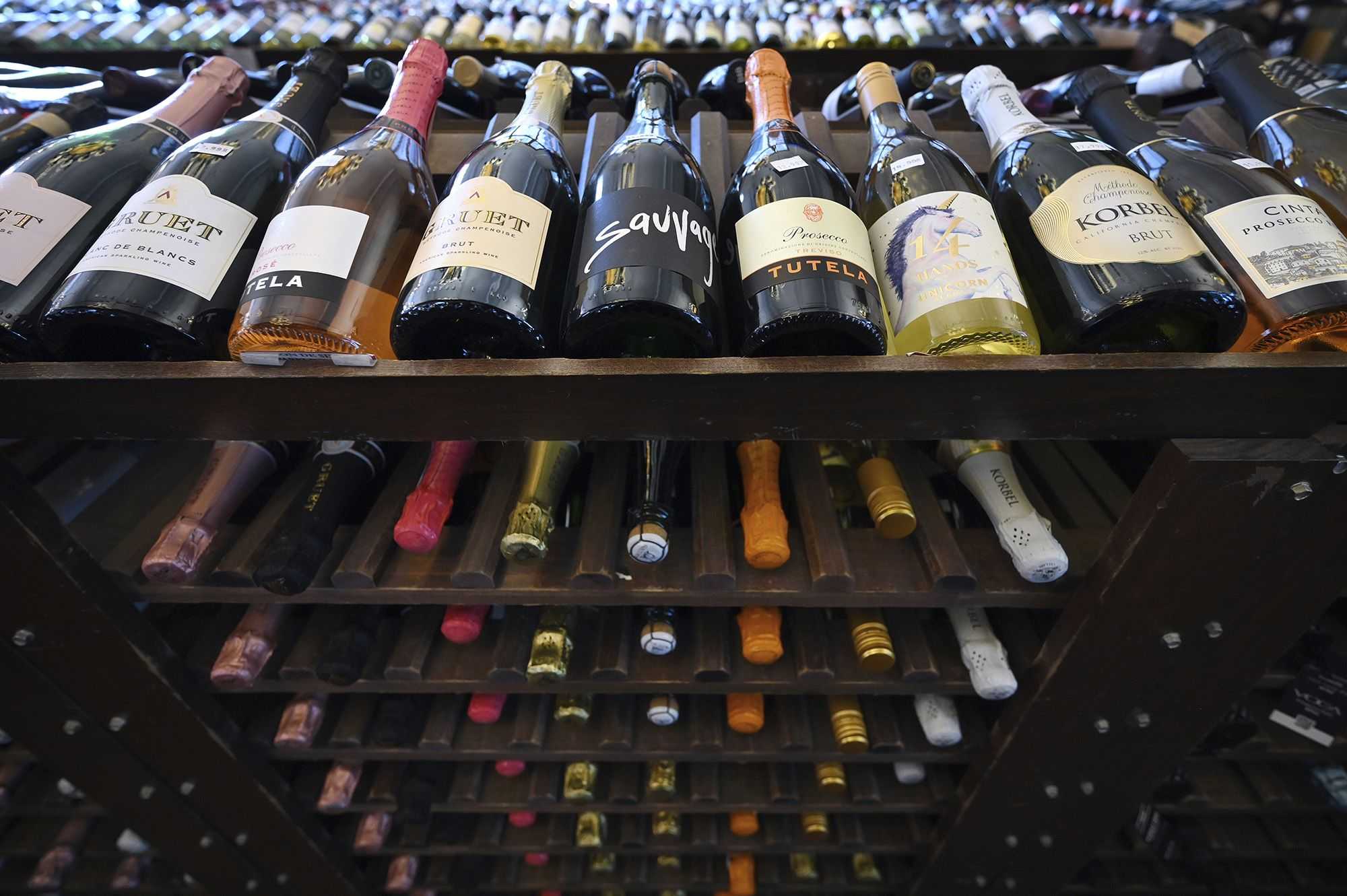
Shoppers heading to local wine shops this holiday season can expect to face higher prices and potentially limited selections. Importers are grappling with steep tariffs, and many retailers are responding to declining demand. Recent data reveals that bottled wine prices have surged nearly 20% over the past 25 years, with an 8% increase in the last decade.
According to the IWSR, a firm specializing in alcohol data insights, wine consumption in the United States declined by 3% between 2019 and 2024. Projections indicate an additional 4% decrease from 2024 to 2029. This decrease is attributed to multiple factors, including climate change, inflation, and rising production costs.
Tariffs Drive Up Prices and Change Consumer Behavior
At McCabes Wine & Spirits, a shop in Manhattan, prices have increased by 5% to 12% this year. Owner Daniel Mesznik explained that the rise is due to a combination of tariffs, shipping expenses, and manufacturing costs. The Trump Administration imposed a 15% tariff on European Union imports, affecting many retailers across the country.
“We’re doing our best to keep those increases to a minimum for our guests,” Mesznik said. “But I think folks understand that this is the current reality and they’re receptive to it.”
The challenges extend beyond retailers to importers like Elenteny Imports, which partners with approximately 9,000 retailers and restaurants. The company reported a 13% decline in wine sales year-over-year. CEO Alexi Cashen indicated that tariffs were a primary concern, stating, “Absolutely, tariffs are the persecutory issue here.”
For many consumers, wine has traditionally been the beverage of choice for casual drinking occasions. However, as prices increase, more drinkers are shifting towards spirits and canned cocktails, which offer more affordable and convenient options.
Market Adjustments and Consumer Preferences
The current economic landscape has prompted significant changes within the wine market. Cashen noted that order volumes for imported wines are down nearly 30% year-to-date for 2025. This drop follows a period of increased demand post-pandemic, which has now subsided.
“Many retailers, distributors, and restaurants have streamlined their wine offerings in response to the falling overall demand for alcoholic beverages, including wine,” said Mike Veseth, the Wine Economist. He warned that consumers may struggle to find specific brands while shopping.
Retailers are adapting their strategies to navigate the difficult market. Mesznik’s shop, which recently underwent a 16-month renovation, has begun placing more emphasis on tequila and mezcal, both of which are exempt from tariffs due to a free trade agreement signed in 2018 with Mexico.
Tequila sales have gained momentum, with Mesznik noting that they represent a growing segment of his business. “Tequila is in the most beautiful bottles. It’s the category in my business that everyone gravitates to right now,” he said.
As wine orders from overseas drop—50% from France and 66% from Italy—shoppers may notice reduced availability of certain wines. Mesznik has responded by purchasing larger quantities of select wines when they are on sale, indicating a strategic shift in inventory management.
With uncertainties surrounding tariffs and the upcoming Supreme Court decision regarding their legality, the landscape for wine retailers remains unpredictable. Mid-priced wines, particularly those priced between $40 and $50, are struggling the most, while low-end and premium wines continue to perform well.
The combination of tariffs, changing consumer preferences, and fluctuating demand paints a challenging picture for the wine industry as the holiday season approaches.