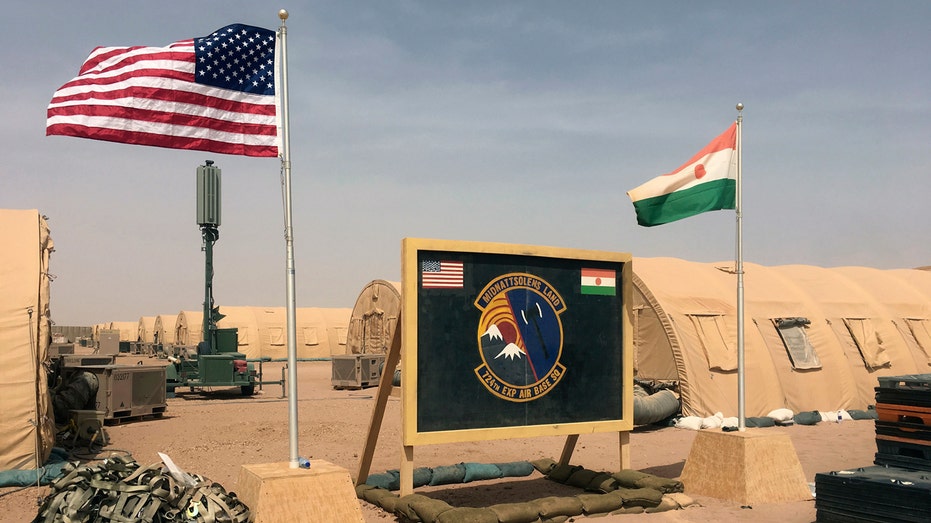
Efforts to locate an American missionary kidnapped in Niger are hampered by significant operational challenges faced by U.S. troops in the region. According to Bryan Stern of Grey Bull Rescue, critical time is slipping away to recover the hostage, as U.S. military capabilities have diminished sharply following the closure of two airbases in Niger last year.
The situation has been characterized as “completely blind” by a U.S. military source, who spoke to Fox News Digital. This loss of operational eyes in the sky complicates the Pentagon’s ability to respond effectively to incidents like the kidnapping that occurred on October 21, 2023. Previously, U.S. forces utilized high-tech surveillance drones from these bases to monitor terrorist activities, particularly against groups like al Qaeda and ISIS in the Sahel region.
Niger had expressed a desire for the U.S. to maintain its bases. However, tensions escalated after a U.S. delegation led by Mary “Molly” Phee, former Assistant Secretary of State, visited Niger in March 2022. Niger’s government spokesperson, Amadou Adramane, publicly criticized the delegation’s approach, suggesting it was condescending and dismissive of Niger’s sovereignty. He remarked, “Niger regrets the intention of the American delegation to deny the sovereign Nigerien people the right to choose their partners and types of partnerships.”
The fallout from this diplomatic encounter was swift. By September 2022, all U.S. military personnel had vacated Niger, leaving the U.S. without its previously established monitoring capabilities. General Michael Langley, then Commander of U.S. Africa Command (AFRICOM), noted an alarming rise in attacks by violent extremist organizations since the withdrawal. He stated, “Since we’ve left Niger, we’re observing a rise in attacks… unfortunately, with our withdrawal from the region, we have lost our ability to monitor these terrorist groups closely.”
Despite the challenges, a military source indicated that Seal Team Six could be deployed if necessary. However, they emphasized that locating the hostage is the foremost requirement for any potential rescue operation. The source noted, “If we had stayed in Niger, right now… Niger would be much safer, and we would have eyes in the sky to help find the American missionary.”
Currently, AFRICOM operates only one base in Djibouti and has limited resources in Somalia and Kenya. The U.S. military has reportedly faced budget constraints under the Biden administration, with the Sahel region receiving less than 1% of the Department of Defense’s budget. The source stated, “Since the previous administration lost us access to Niger, the Americans and Western powers are completely blind and unable to quickly react to anything.”
The U.S. State Department has issued a travel advisory, urging citizens not to travel to Niger due to heightened risks of crime, unrest, and terrorism. The advisory underscores the ongoing threats in the region and the challenges U.S. officials face in ensuring the safety of American citizens abroad.
As the situation continues to develop, the ability of U.S. forces to respond effectively to terrorist threats in West Africa remains significantly compromised, leaving both military and diplomatic officials grappling with the consequences of the strategic withdrawal from Niger.