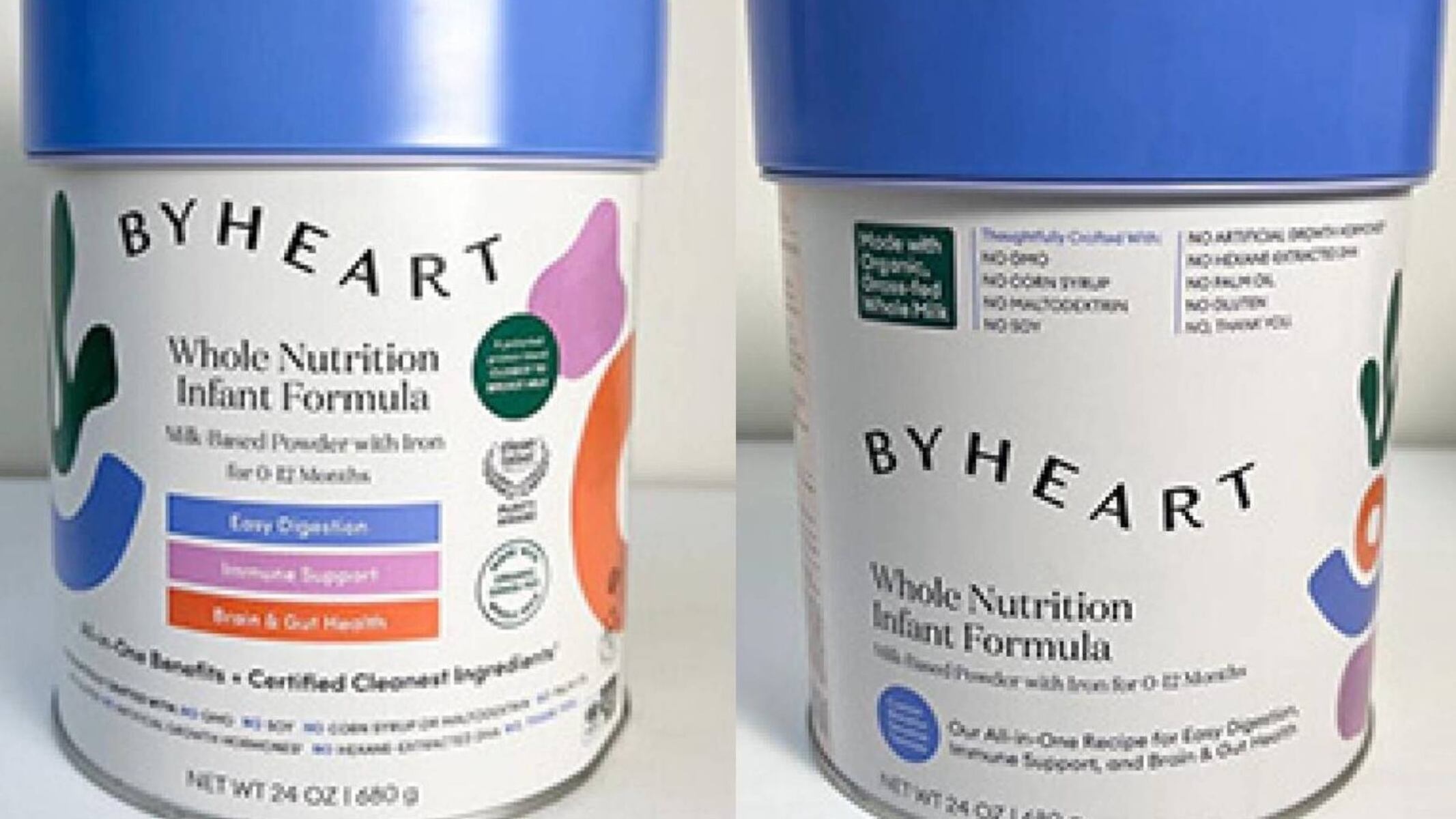
A significant outbreak of infant botulism, linked to ByHeart infant formula, has resulted in hospitalizations for nearly two dozen babies across 13 states. As of November 11, 2023, the U.S. Food and Drug Administration (FDA) confirmed or suspected that 23 infants developed illnesses after consuming the formula, marking an increase of 10 cases since the outbreak was first announced on November 8. No fatalities have been reported in connection with this outbreak.
The FDA has urged parents and caregivers to cease using any ByHeart infant formula products immediately. The New York-based manufacturer has recalled all its products sold in the United States. ByHeart, which holds approximately 1% of the U.S. infant formula market, previously distributed about 200,000 cans of its formula monthly.
Federal health officials indicated that symptoms of infant botulism can take up to 30 days to manifest. The affected infants range from approximately 2 weeks to 6 months old, with illnesses reported between August 9 and November 11. Cases have emerged in states including Arizona, California, Illinois, Kentucky, Michigan, Minnesota, North Carolina, New Jersey, Oregon, Pennsylvania, Rhode Island, Texas, and Washington.
California health officials confirmed that a sample taken from an open can of ByHeart formula, which was consumed by an infant who subsequently fell ill, contained botulinum bacteria. While ByHeart officials stated they coordinated the recall with the FDA, they noted that no unopened products tested positive for the bacteria responsible for the illness. The bacteria that produce the botulinum toxin are commonly found in the environment, suggesting potential exposure sources beyond the formula itself.
In light of the outbreak, the FDA has conducted inspections at ByHeart’s production facilities located in Allerton, Iowa, and Portland, Oregon. This week, families of at least two infants affected by botulism after consuming ByHeart formula filed lawsuits against the company, alleging that the formula was defective and that ByHeart acted negligently. The lawsuits seek compensation for medical expenses, emotional distress, and other damages.
The FDA is currently investigating a rise in infant botulism cases, which have reached at least 84 infants since August. Dr. Jessica Khouri, a senior medical officer at California’s Infant Botulism Treatment and Prevention Program, noted that this increase represents an “unprecedented” exposure to a single product in a short timeframe. The FDA has indicated that ByHeart brand formula is disproportionately represented among the sick infants in this outbreak.
Typically, fewer than 200 cases of infant botulism occur annually in the United States. According to the latest data from the Centers for Disease Control and Prevention, 133 cases had been reported as of September 20, 2023, with 145 cases recorded throughout the entire previous year. Infant botulism is caused by bacteria that produce a toxin in the large intestine, and infants are particularly susceptible due to their underdeveloped gut microbiomes.
Symptoms of botulism in infants can include poor feeding, loss of head control, drooping eyelids, and a flat facial expression. Affected babies may appear “floppy” and experience difficulties with swallowing or breathing. While baby formula has been associated with sporadic cases of botulism in the past, there have been no confirmed outbreaks linked to powdered formula until now.
The only known treatment for infant botulism is called BabyBIG, an intravenous medication derived from the pooled blood plasma of adults vaccinated against botulism. Developed by California’s infant botulism program, BabyBIG is the sole source of this treatment worldwide and has been administered to all infants affected in the ByHeart outbreak. Each vial of BabyBIG costs approximately $69,300.
In response to the rising concerns over infant formula safety, federal health officials have committed to reviewing the U.S. food supply comprehensively. Health Secretary Robert F. Kennedy Jr. has directed the FDA to evaluate the nutrients and ingredients in infant formula, which is essential for millions of babies in the country. This initiative, known as “Operation Stork Speed,” represents the first in-depth examination of infant formula ingredients since 1998. The FDA is currently reviewing feedback from industry stakeholders, health experts, and the public to determine the next steps in this critical assessment.