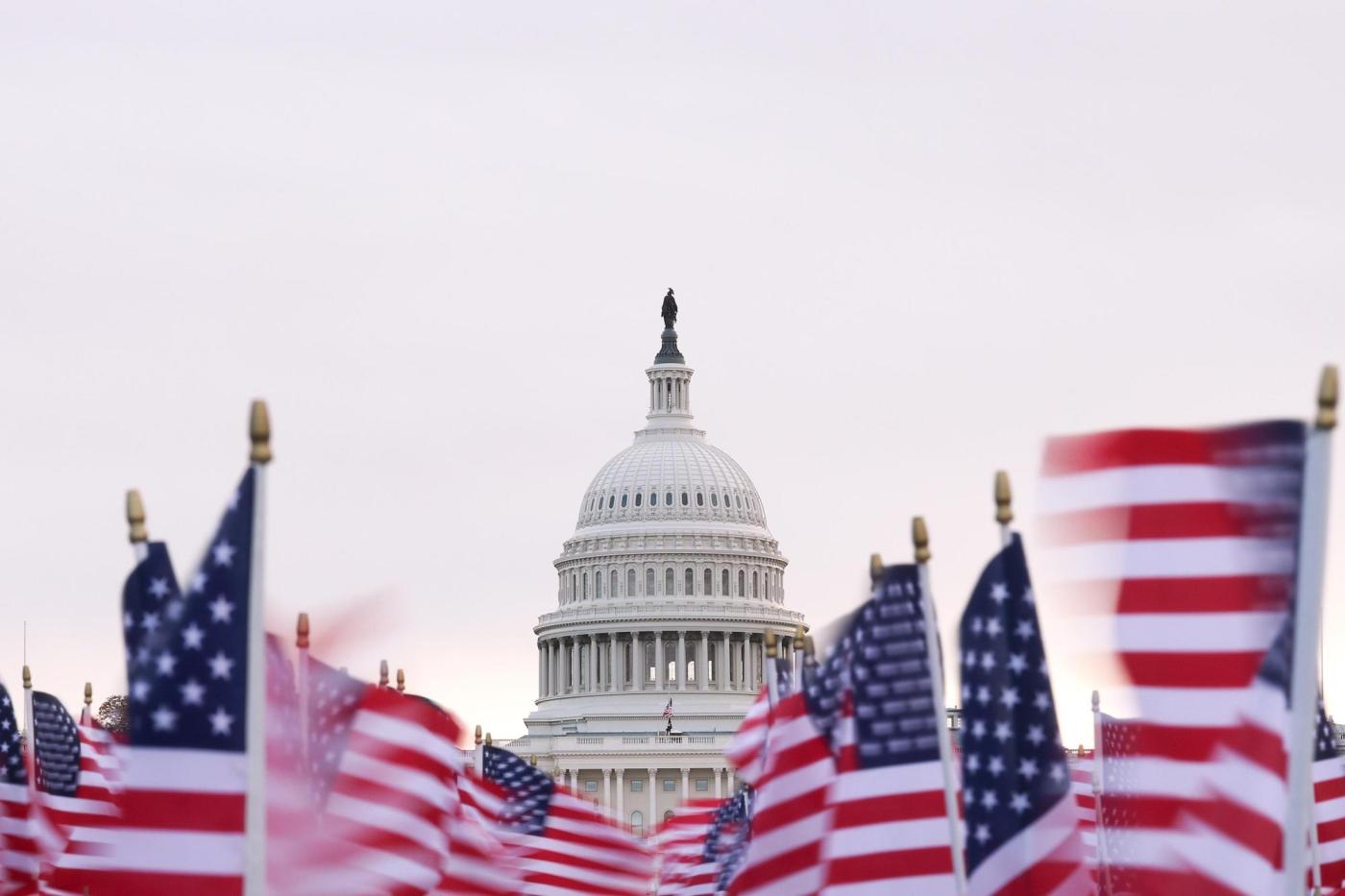
UPDATE: As the longest government shutdown winds down, heated debates surrounding the filibuster have erupted in Congress. With the legislative clock ticking, the future of this procedural rule remains uncertain, raising concerns about potential shifts in governance.
Recent tensions escalated when President Joe Biden urged Republicans to consider eliminating the filibuster, stating, “REPUBLICANS, TERMINATE THE FILIBUSTER!” This call comes on the heels of a disappointing election outcome for the Republican Party, which now faces mounting pressure to advance its agenda.
The filibuster — requiring 60 votes to end debate on legislation — has been a source of frustration for Republicans, who currently control both legislative chambers and the White House. Many party members believe that abolishing this rule could streamline their legislative efforts, enabling them to push through key initiatives with a simple majority.
However, a growing number of Republican leaders are warning against this drastic move. They argue that dismantling the filibuster could destabilize governance, empower radical elements, and centralize power within leadership offices. While Republicans may temporarily achieve goals like new tax cuts and immigration restrictions, they risk empowering Democrats to expand government programs and alter the judiciary when they regain control.
“In polarized times, parties will take turns imposing diametrically opposed legislative agendas every few years,” warns a Republican leadership source.
Critics acknowledge that the filibuster has been misused, effectively requiring a supermajority for even routine Senate matters. In response, Congress has already created multiple exemptions for the rule, particularly regarding budget reconciliation and judicial nominations. Some argue that reforming the filibuster rather than eliminating it could be the solution needed to prevent further abuse without sacrificing the principles of bipartisanship.
Proposed reforms include requiring senators to maintain continuous debate on the floor, gradually lowering the cloture threshold from 60 to 55 votes, or establishing a new rule that allows for 41 votes to extend debate instead of ending it. These adjustments could mitigate the potential for obstruction while maintaining necessary checks on majority rule.
The stakes are high as Congress navigates this critical juncture. The outcome of these discussions could have lasting implications for the legislative process and the balance of power in U.S. governance. As these developments unfold, the nation watches closely, anticipating how Congress will respond to this urgent challenge.
Next steps involve key votes and discussions anticipated in the coming days, with potential fallout for both major parties. As the debate intensifies, lawmakers must weigh the consequences of their decisions carefully.