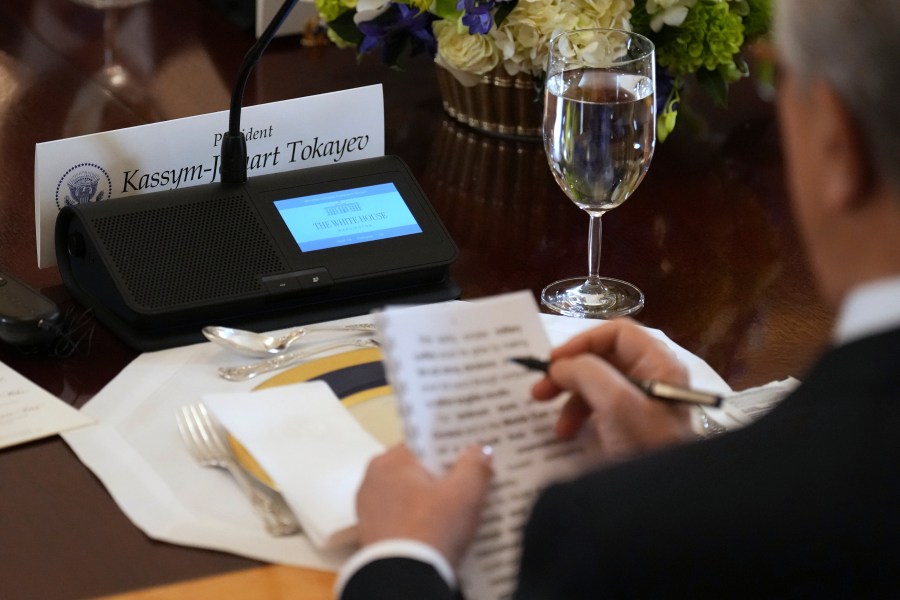
The Abraham Accords have recently extended their reach into Central Asia, a significant development that has broad implications for both Israel and the United States. This expansion, officially announced on March 15, 2024, includes a series of agreements aimed at fostering diplomatic relations and economic cooperation between Israel and several Central Asian nations, specifically Uzbekistan, Tajikistan, and Kazakhstan.
This move is likely to enhance regional stability and create new economic opportunities. The accords, initially established in 2020, have already reshaped diplomatic relations in the Middle East by normalizing ties between Israel and several Arab nations. Expanding these agreements into Central Asia marks a strategic shift, reflecting the U.S. commitment to promoting peace and cooperation in diverse regions.
Strategic Benefits for the United States and Israel
The extension of the Abraham Accords is viewed as a crucial development for the U.S. foreign policy in the region. According to experts, enhancing ties with Central Asian countries not only bolsters Israel’s security but also reinforces U.S. influence in a strategically important area. The region is rich in energy resources and serves as a vital corridor for trade between East and West.
Uzbekistan, for example, has expressed keen interest in collaborating with Israel in technology and agriculture. Israeli companies are already exploring opportunities in these sectors, which could lead to substantial investments. The U.S. stands to benefit from this collaboration as it seeks to strengthen its foothold in Central Asia against the backdrop of increasing competition from Russia and China.
The U.S. Secretary of State, Antony Blinken, emphasized the significance of this expansion during a recent press conference, stating, “The Abraham Accords are not only about peace but also about prosperity. We believe this initiative can create a more stable and prosperous future for all involved.”
Regional Reactions and Future Prospects
Reactions from Central Asian governments have been largely positive. Leaders from Tajikistan and Kazakhstan have publicly supported the accords, highlighting the potential for mutual growth. These nations are particularly interested in Israel’s advanced agricultural technologies, which could greatly benefit their economies.
While the expansion of the Abraham Accords is welcomed, it also presents challenges. Some regional analysts caution that increasing ties with Israel might provoke backlash from neighboring countries that have historically opposed normalization with the Jewish state. Maintaining a balance between strengthening relations with Israel and addressing local sentiments will be crucial for the governments involved.
Looking ahead, the potential for further expansion of the accords remains. As the geopolitical landscape evolves, more countries in Central Asia may seek to engage with Israel, driven by economic interests and a desire for enhanced security partnerships. The U.S. will likely play a pivotal role in facilitating these discussions, leveraging its relationships to promote a collaborative approach to regional issues.
The expansion of the Abraham Accords into Central Asia not only signifies a new chapter in Israel’s diplomatic history but also underscores the United States’ ongoing commitment to fostering stability and cooperation in diverse global contexts. As these nations begin to explore the benefits of partnership, the potential for a more interconnected and prosperous future appears promising.