China has reported a notable decline in foreign direct investment (FDI), marking the worst investment performance in recent years. According to the National Bureau of Statistics (NBS), the FDI fell by 8.7% in the first quarter of 2023, reflecting growing concerns over the country’s economic sustainability. This downturn occurs as the nation grapples with a broader economic slowdown, impacting various sectors, including consumption and manufacturing.
Retail sales growth has also slowed significantly, with figures showing the most extended period of decelerating growth since 2021. In March 2023, retail sales saw an increase of only 3.1%, a stark contrast to the double-digit growth experienced in previous years. The decline in consumer spending underlines a troubling trend as households face increasing financial pressures, which are exacerbating the current economic climate.
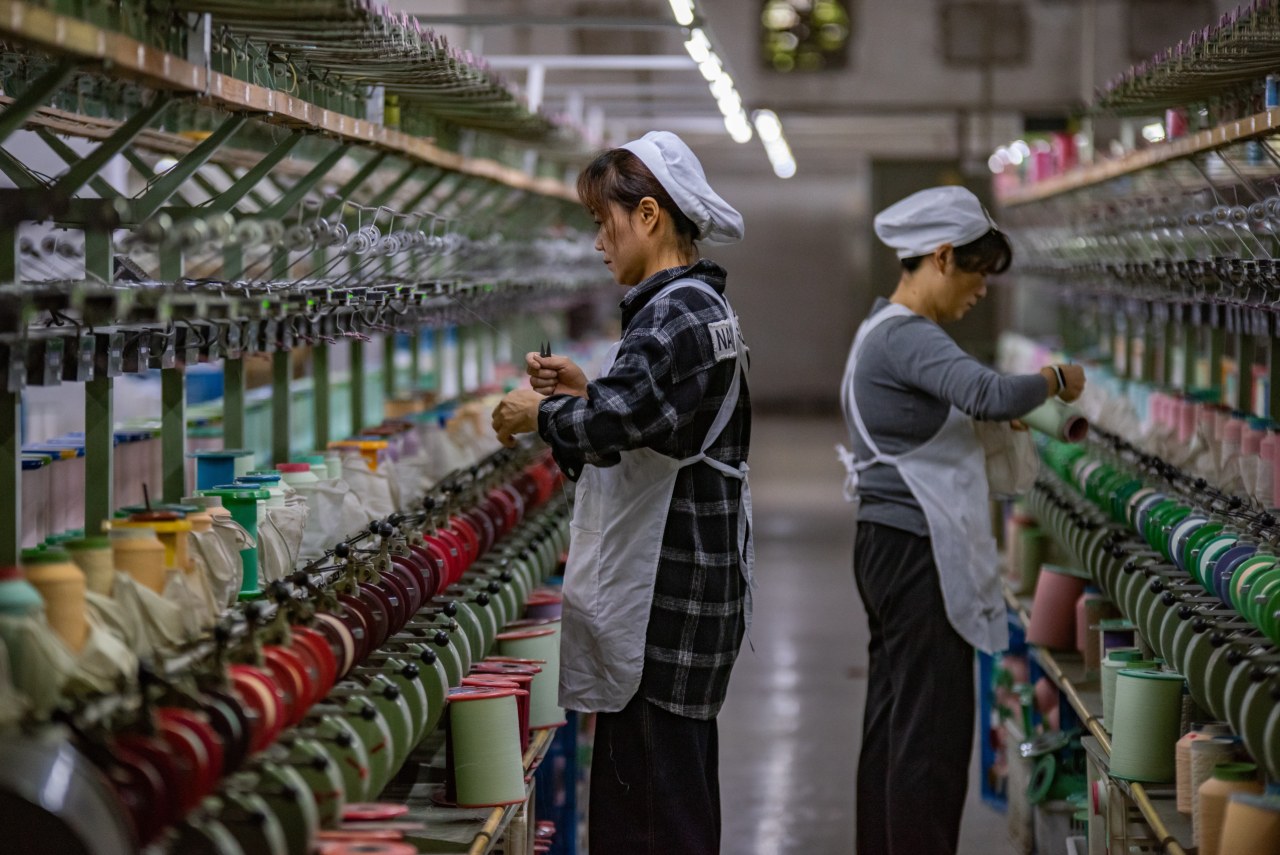
The slowdown in investment is particularly concerning for the manufacturing sector, where many companies are scaling back operations due to uncertain market conditions. According to the NBS, manufacturing investment dropped by 14% compared to the previous year, indicating a significant contraction in this critical area of the economy. Analysts attribute this decline to a combination of rising production costs, supply chain disruptions, and diminished demand both domestically and internationally.
China’s economic challenges extend beyond investment and retail to broader growth metrics. The country’s GDP growth rate is projected to slow, with estimates suggesting it may fall below 5% for the year. This marks a significant shift from the pre-pandemic growth rates, which consistently hovered around 6% or higher. The implications of this slowdown are profound, affecting employment rates, government revenues, and overall economic stability.
The Chinese government has responded to these challenges with a series of measures aimed at stimulating the economy. Initiatives include tax breaks for small businesses, increased infrastructure spending, and incentives to attract foreign investment. However, the effectiveness of these measures remains to be seen, as many businesses express skepticism about the recovery of consumer confidence.
In the face of these economic hurdles, the Chinese leadership continues to emphasize the importance of adapting to changing global economic conditions. As the world grapples with its own post-pandemic recovery, China’s economic trajectory will be closely monitored by global investors and policymakers alike.
The current outlook for China is one of cautious observation, with potential implications for international trade and investment patterns. As the nation seeks to regain its footing, the coming months will be critical in determining the effectiveness of its economic strategies and the resilience of its consumer market.