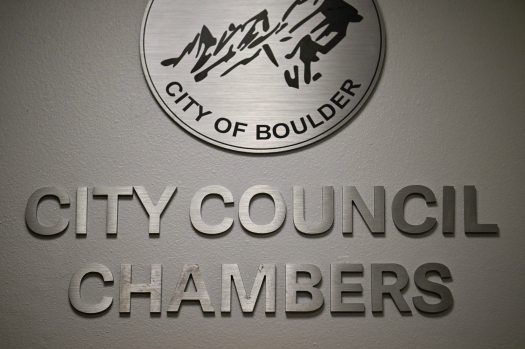
URGENT UPDATE: Boulder City Council has just passed a two-year ban on the use of gray water, impacting residents hoping to implement recycling systems in their homes. The ordinance, approved last week, aligns the city with a 2024 state law that will allow gray water systems in new constructions starting next year.
Gray water, the recycled water from sinks, showers, and appliances, can significantly reduce the demand for fresh water for irrigation. Despite its conservation benefits, the Council’s decision is aimed at ensuring compliance with the upcoming state legislation. City staffers noted that developing a comprehensive gray water system would necessitate extensive planning, including new regulations and permitting processes.
Officials anticipate that implementing this system will take a minimum of two years and require two full-time equivalent positions. Key measures include reviewing system designs, conducting inspections, and maintaining a database to track approved systems. “The current draft ordinance is too broad and blunt in its prohibitions,” warned Planning Board Chair Mark McIntyre, emphasizing the need for clearer guidelines and broader community engagement.
The Council acknowledged the value of gray water in promoting sustainability but prioritized compliance over immediate implementation. A past project at CU Boulder demonstrated mixed results in gray water reuse, further complicating the decision-making process for the Council. From 2013-2023, water conservation outcomes were less effective than initially anticipated, raising concerns about the practicality of such systems.
This ban is crucial as it affects residents’ ability to leverage gray water systems for irrigation, a practice praised by conservationists. As the city prepares for the new law, community members are urged to participate in discussions about the future of gray water use in Boulder. The Council’s decision has sparked a debate about sustainability goals and the potential for more nuanced regulations to benefit both the environment and residents.
Stay tuned for updates as the situation develops and the city outlines its next steps in managing this important resource. Public engagement will be key in shaping the future of gray water systems in Boulder, and residents are encouraged to voice their opinions as the city navigates these changes.