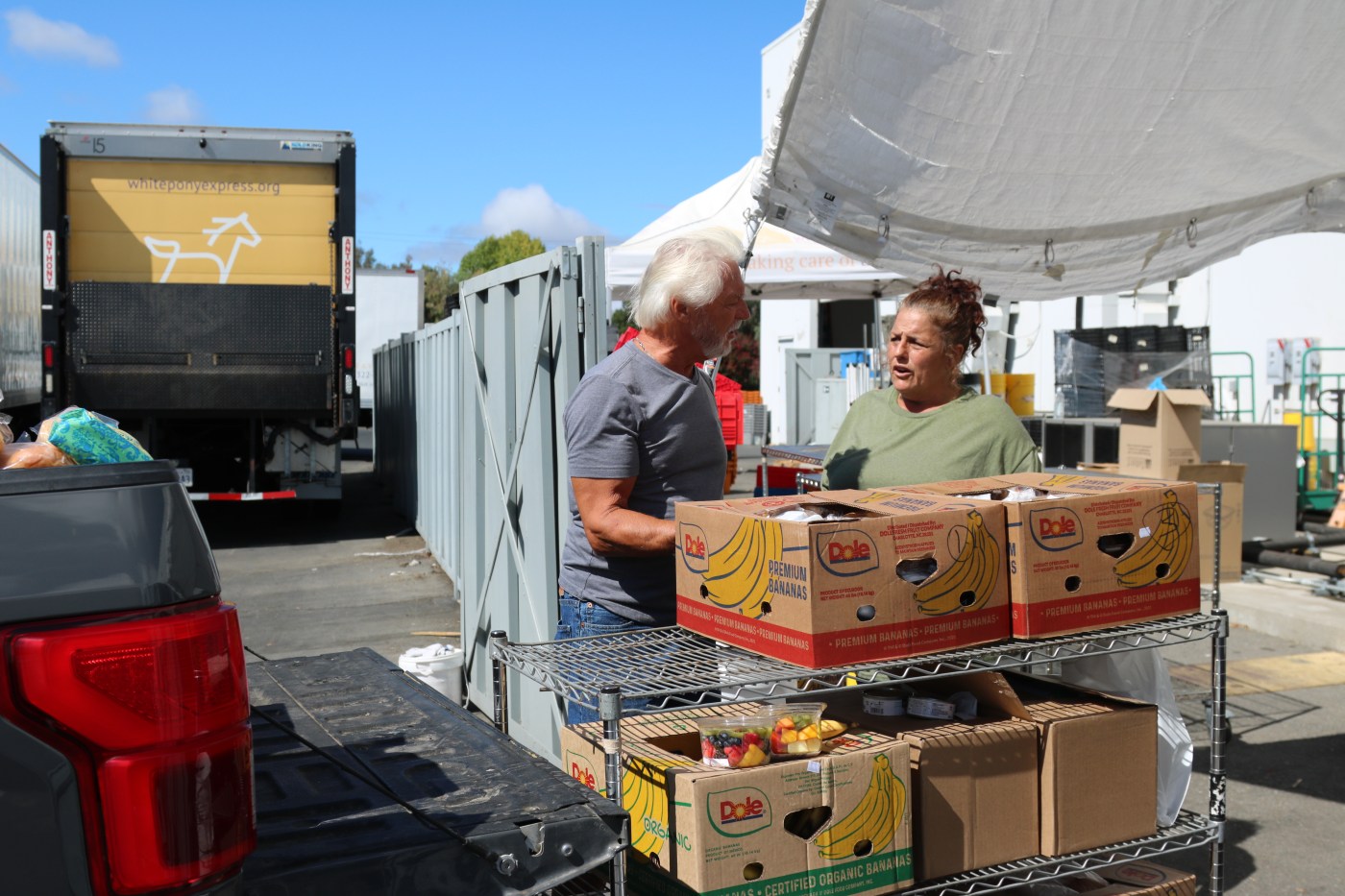
The recent government shutdown in the United States has left millions of individuals vulnerable, particularly those relying on the Supplemental Nutrition Assistance Program (SNAP). As a result, around 42 million families face food insecurity this November, with many unable to access essential funds for food purchases. The crisis has sparked outrage among citizens, who are calling for government accountability during a time when the wealthiest individuals appear to thrive.
Jackie Zuniga from Pittsburg expressed frustration over the disparity between government actions and the needs of the populace. She highlighted the irony of a government that hosts lavish events for the affluent while struggling citizens go hungry. “While the president is throwing lavish parties for the rich with your tax money, our local communities are working hard to make sure their citizens don’t go hungry,” Zuniga stated. Her letter reflects a growing sentiment that the decisions of those in power disproportionately affect the less fortunate.
The broader implications of the shutdown extend beyond SNAP. Government employees are also feeling the strain, facing delays in pay and increased financial uncertainty. This situation exacerbates the already critical issue of food insecurity across the nation.
National Values Under Scrutiny
In a more reflective commentary, Barry Gardin from Hayward pointed out the ethical implications of the shutdown. He noted a troubling juxtaposition: on the same day that reports indicated the shutdown of the United States Agency for International Development (USAID) resulted in the deaths of approximately 600,000 people, including one-third children, wealthy individuals continued to receive substantial financial rewards. Tesla’s shareholders awarded a significant compensation package to their CEO, further highlighting the disconnect between national leadership and the everyday struggles faced by citizens.
Gardin’s perspective emphasizes that the actions of elected officials serve as a mirror to the collective values of the nation. He criticized the extravagant celebrations hosted by leaders while millions grapple with hunger, suggesting that these events reflect a troubling prioritization of wealth over welfare.
Public Discourse and Media Perspectives
The debate over political cartoons, particularly the “Mallard Fillmore” comic strip, illustrates the polarized nature of public opinion. A letter from Glenn Evans in Pleasanton acknowledged the divisive nature of such media but advocated for its continuation, arguing that it provides an avenue for understanding differing viewpoints. Evans noted, “I try to use it as a lens to better understand those perspectives.” His call for polling readers suggests a desire for engagement on contentious issues.
Conversely, some letters criticized the media’s portrayal of political figures. A letter from Kirit Shah in Fremont condemned sentiments directed at former President Donald Trump, asserting that criticisms often lack factual support. Shah questioned the basis of claims made against Trump, pointing to perceived hypocrisy in political discourse.
Finally, Maya Angelou‘s warning resonates with those concerned about the future of American democracy. As discussions about Trump’s potential political maneuvers continue, the fear of an unrestrained leadership is palpable. Angelou’s advice to heed the true nature of individuals remains a poignant reminder of the need for vigilance in governance.
As the government shutdown continues, the plight of those affected by cuts in SNAP and other essential services remains urgent. Citizens are increasingly vocal about their demand for accountability from their leaders, urging a shift in priorities that places the welfare of all citizens at the forefront.