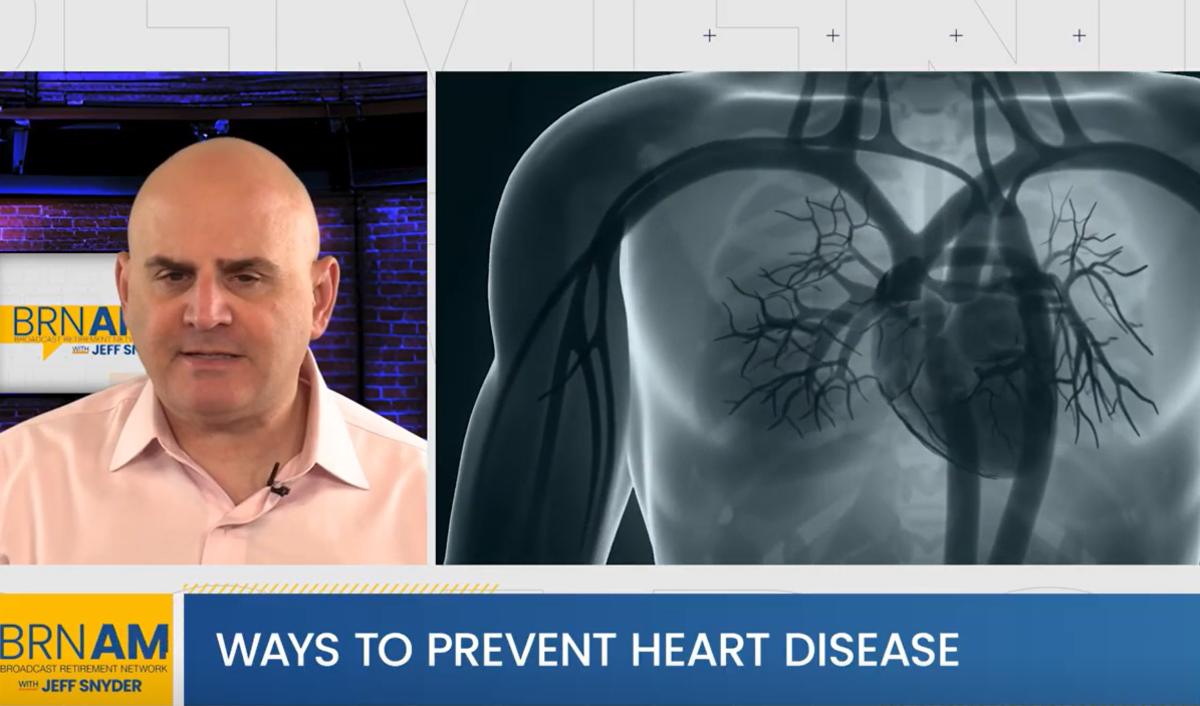
Cardiovascular disease remains a leading cause of death worldwide, making awareness and proactive prevention crucial at any age. During a recent discussion on the Broadcast Retirement Network, Dr. Mary Branch, a cardiologist with Cone Health, highlighted various aspects of heart disease, its symptoms, and effective prevention strategies.
Heart disease encompasses a range of conditions affecting the heart, including issues with blood flow, electrical disruptions, and heart pumping functions. Dr. Branch likened the heart to a house with essential systems that can fail. “Your heart is kind of like a house,” she explained, noting that problems can arise in the arteries that supply blood, the electrical circuits that regulate heartbeat, or the heart’s ability to pump effectively.
Understanding the symptoms of heart disease can be challenging. Common indicators include shortness of breath, which may be confused with other conditions such as chronic obstructive pulmonary disease (COPD) or simply a lack of physical conditioning. Dr. Branch emphasized the importance of consulting with a primary care physician, especially for individuals with risk factors like family history, diabetes, or smoking habits.
According to Dr. Branch, cardiovascular disease is the number one killer globally, significantly overshadowing other diseases like cancer and diabetes. The prevalence of heart disease increases with age, as natural processes lead to hardened arteries and greater plaque accumulation. “When folks say, ‘my grandparent had a heart attack,’ it’s common in general,” she noted, indicating that aging itself is a significant risk factor.
Nutrition plays a vital role in heart health. Dr. Branch stated that food should be viewed as medicine, with a balanced diet being essential for preventing heart disease. Consuming high-cholesterol foods can lead to increased plaque and a higher risk of heart attacks and strokes. She urged individuals to be intentional about their diets, as unhealthy eating habits can lead to obesity and related conditions such as sleep apnea and atrial fibrillation.
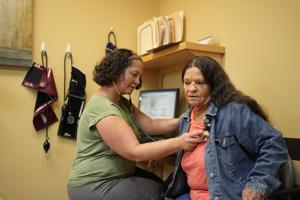
Establishing a relationship with a primary care physician is fundamental for early detection of heart disease. Dr. Branch recommended that individuals, particularly those aged 40 and older, prioritize regular check-ups. This proactive approach helps in monitoring health metrics like cholesterol levels and overall cardiovascular health, which can lead to early intervention when necessary.
Insurance coverage typically includes visits to primary care physicians and basic blood work, making preventive care accessible. Dr. Branch pointed out that the costs associated with preventive care are minimal compared to potential expenses incurred from serious health issues, such as hospital stays for strokes or heart attacks.
Advancements in medical treatments have significantly improved management options for individuals diagnosed with heart disease. Dr. Branch highlighted new cholesterol-lowering medications and evolving therapies for heart failure that enhance heart function. For patients with documented coronary artery disease, lifestyle adjustments and targeted medications can be effective in managing their conditions without immediate invasive procedures.
In conclusion, Dr. Branch reiterated the importance of prevention as the best strategy against heart disease. “The best way to treat a disease is actually to prevent it,” she stated, emphasizing the significance of early intervention and a healthy lifestyle. As individuals age, understanding and addressing heart health becomes increasingly vital, reinforcing the need for regular medical assessments and informed dietary choices.