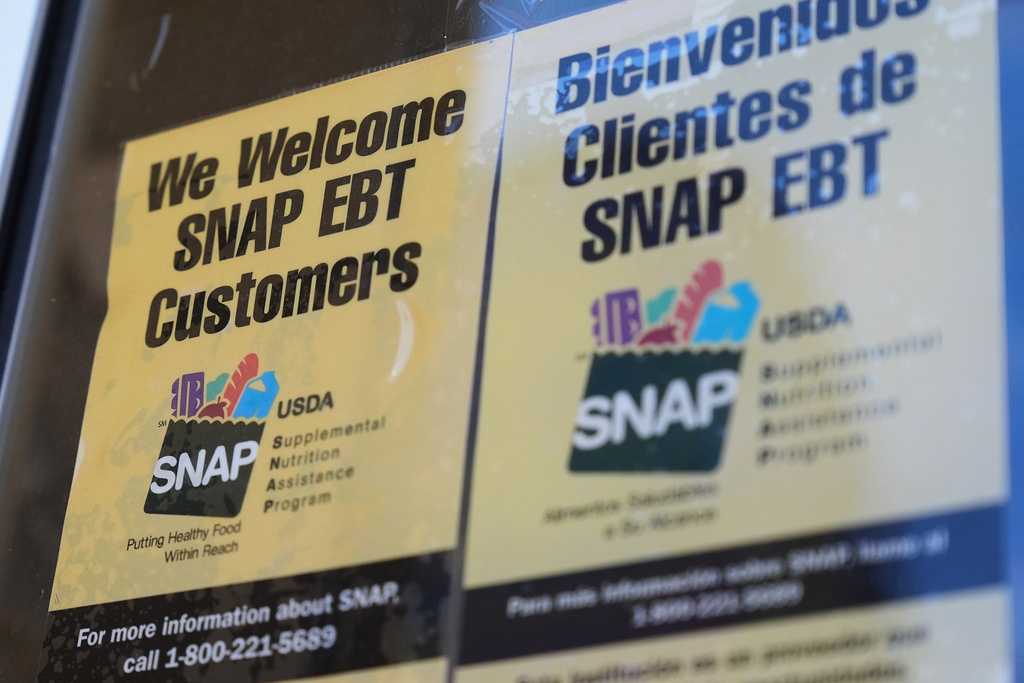
The U.S. Supreme Court is poised to make a significant ruling regarding the Supplemental Nutrition Assistance Program (SNAP), which supports approximately 42 million Americans in purchasing food. The Court’s decision, expected on November 1, 2023, will address whether states can resume full benefits for SNAP recipients, as financial strains on families continue to escalate in various states.
The ongoing legal battle stems from a request made by President Donald Trump‘s administration to maintain restrictions on full SNAP benefits. The administration argues that the funds might be needed for other government priorities, leading to confusion and varying benefit levels across the country. While states like Hawaii and New Jersey have provided their beneficiaries with the full monthly allocations, others, including Nebraska and West Virginia, have not distributed any benefits.
These discrepancies have arisen after the Trump administration cut funding for SNAP in response to the ongoing federal government shutdown, a decision that has triggered multiple lawsuits and conflicting judicial rulings. In late October, two judges mandated that the government must at least provide partial funding for SNAP, allowing recipients to receive up to 65% of their usual benefits. The situation took a turn when one judge ruled that full funding should be restored for November, a decision the Supreme Court temporarily paused.
On the legislative front, the U.S. Senate passed a bill on October 30, 2023, aimed at reopening the federal government and replenishing SNAP funds. The House of Representatives is now expected to review this legislation. House Speaker Mike Johnson has urged members to return to Washington for discussions about a bipartisan deal reached by a small group of Senate Democrats and Republicans. While Trump has yet to confirm whether he would sign any agreement that reaches his desk, he indicated on Sunday that “it looks like we’re getting close to the shutdown ending.”
As the legal and political maneuvers unfold, the impact on SNAP recipients varies widely. Some, like Jim Malliard, a full-time caretaker from Franklin, have not received any assistance this month. Malliard, who supports his wife and daughter, expressed concern as his household faces mounting pressures. “To say anxiety has been my issue for the past two weeks is putting it mildly,” he stated, pointing to the stress of managing on limited resources.
The Solicitor General, D. John Sauer, emphasized in a recent filing that resolving this crisis should be the responsibility of Congress, not the courts. “The answer to this crisis is not for federal courts to reallocate resources without lawful authority,” he wrote. The complexity of the ongoing legal battles and the diverse responses from each state mean that SNAP beneficiaries are currently facing a patchwork of assistance, with some receiving full benefits while others receive none at all.
The potential ruling from the Supreme Court will not only have financial implications but also affect the well-being of millions of Americans who rely on these crucial food aid benefits. As the situation develops, the urgency for resolution remains high, with families across the nation anxiously awaiting clarity on their food assistance.