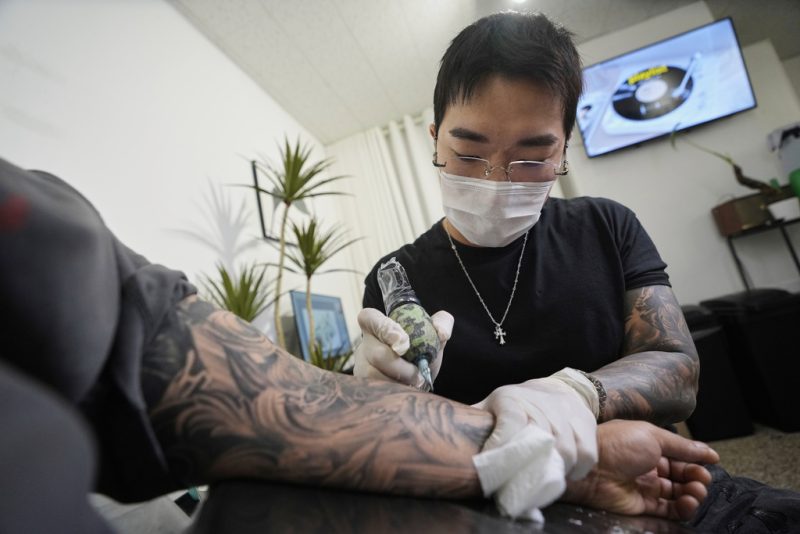
Individuals receiving tattoos sometimes report experiencing what is informally termed “tattoo flu.” This phenomenon is described as a general malaise that may affect those who undergo larger or lengthy tattoo sessions. Experts clarify that it is not a virus or an infection related to the tattoo process, but rather an immune response to the physical stress of getting inked.
Dr. Mary Lupo, a board-certified dermatologist and adjunct faculty member at Tulane University, confirms that this reaction does occur. “It’s an immune response, and it varies by individual sensitivity,” she explained. “The larger the tattoo, the greater the ‘assault’ on the body, which may increase the likelihood of experiencing it with subsequent tattoos due to prior sensitization.”
Tattoo artist Timothy Lebron, who operates Bodiesneedrest and the HERE tattoo parlour in Brooklyn, also acknowledges that many first-time tattoo recipients encounter symptoms akin to tattoo flu. He describes this as a foggy, feverish sensation following a tattoo session. “Your immune system kicks in, inflammation rises, and then stress hormones spike and crash,” he stated, likening the experience to the aftermath of a bad hangover.
Individuals sharing their experiences online have reported a range of symptoms, including body aches, fever, chills, and nausea. One user on Reddit expressed feeling “nauseous, hot, and exhausted,” while another recounted experiencing “fever and horrible cold chills,” stating it felt as though they had “been hit by a truck.”
In contrast, Jeff Garnett, co-founder of InkLess Tattoo Removal in New York City, shared his personal encounter with tattoo flu after undergoing two 10-hour sessions in 2020. He identifies it as a natural reaction to the trauma of needles piercing the skin thousands of times. However, Garnett also proposes that some individuals may confuse tattoo flu with common viral illnesses. “Your body can only handle so much,” he noted, suggesting that during tattoo healing, individuals might become more susceptible to other infections.
Garnett emphasizes the importance of not overwhelming the immune system, particularly during tattoo removal sessions. “We have to be mindful of how much we do in one sitting,” he explained, advocating for manageable treatment intervals.
To alleviate potential symptoms, Garnett recommends staying hydrated throughout the tattooing or removal process. Lebron advises clients to consume a nutritious meal and beverages high in electrolytes for better recovery. Dr. Lupo suggests that, following a tattoo session, patients might consider taking anti-inflammatory medication to ease discomfort.
“Most of the time, people just treat the symptoms as they arise,” Dr. Lupo said. “If it hits you, don’t panic. Rest, drink water, eat something with salt and carbs, and take a warm shower. Typically, you’ll feel fine by the next day.”
While many experience tattoo flu, others seem to avoid the condition entirely. A TikTok user humorously noted, “I didn’t even know tattoo flu was a thing, and I’m covered in them,” highlighting the variability of individual responses to the tattooing process.
Understanding this phenomenon can help future tattoo recipients prepare for their sessions, ensuring they are informed about potential reactions and how to manage them effectively.