UPDATE: The Smithsonian Institution in Washington, D.C., is showcasing its vast collection of historic artifacts, reminding us of our shared heritage. This urgent announcement highlights the importance of these treasures in connecting generations and preserving our national identity.
The Smithsonian, often referred to as the Nation’s Attic, houses invaluable items such as Abraham Lincoln’s top hat, Thomas Jefferson’s desk, and the original flag that inspired the national anthem. The collection also includes Fred Rogers’ iconic sweater and Dorothy’s ruby slippers, all serving as tangible links to our past that resonate with visitors and families today.
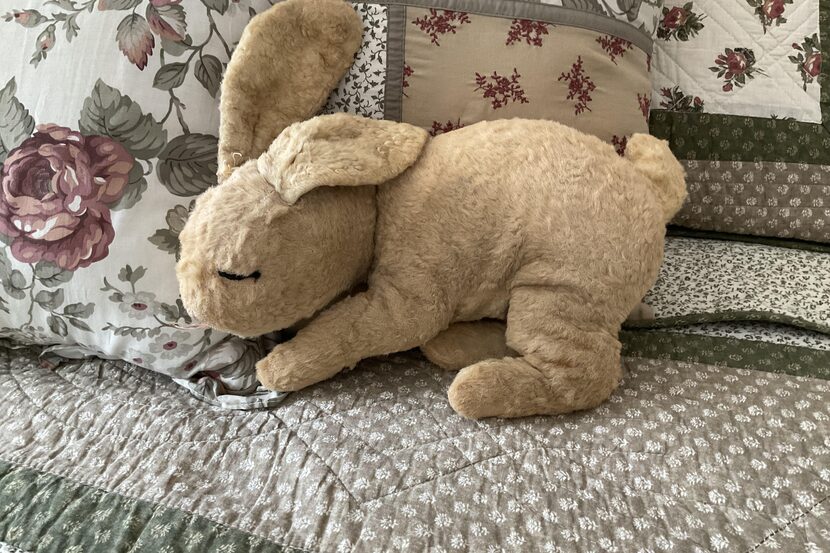
A recent heartwarming story from a family illustrates the profound impact of these artifacts. A grandfather, reflecting on his cherished childhood toy, a worn plush rabbit, connects with his 6-year-old grandson, Finnian. The playful interaction—where the rabbit seemingly comes to life—demonstrates the emotional power of memories held in treasured objects.
As families navigate their daily lives, these artifacts serve as more than mere objects; they are vessels of memory. The grandfather’s recollection of his own rabbit ignites a shared joy, revealing how personal histories can bridge generational gaps. “I told Finn how I liked pulling my knees up and curling my arms around my rabbit each night,” he shared, highlighting the universal experience of childhood comfort.
The Smithsonian’s mission goes beyond preservation; it aims to inspire future generations. Each artifact tells a story, reminding us of the diverse experiences that shape our nation. In a world increasingly focused on the digital, these physical reminders urge us to reflect on our heritage and the values we pass down.
The grandfather recalls his family’s steamer trunk, used during their immigration from Europe to America in 1948, filled with dreams and hopes for a new life. “America was the true land of opportunity,” he states, reinforcing the significance of artifacts in understanding both personal and national history.
As visitors flock to the Smithsonian, they are reminded that artifacts like the Wright Brothers’ plane and Charles Lindbergh’s Spirit of St. Louis are not just relics; they are educational tools that foster a sense of belonging and identity. The emotional connection to history is further amplified by objects like the grandfather’s tuxedo from his youth, which stands as a testament to his family’s rich lineage.
What’s Next: As the Smithsonian continues to engage with the public, there are plans to enhance educational programs that encourage visitors to explore their history through these artifacts. Families are invited to share their own stories, ensuring that the legacy of these treasures lives on.
In a rapidly changing world, the Smithsonian’s collection remains a crucial reminder of our shared past and the memories that bind us together. Each visit is an opportunity to discover not just artifacts, but the stories that resonate within them, encouraging us to keep our memories alive for generations to come.
This is not just about preserving the past; it’s about creating connections and nurturing understanding among future generations. The Smithsonian stands as a beacon of hope, urging us to explore the artifacts that ground us in our shared humanity.