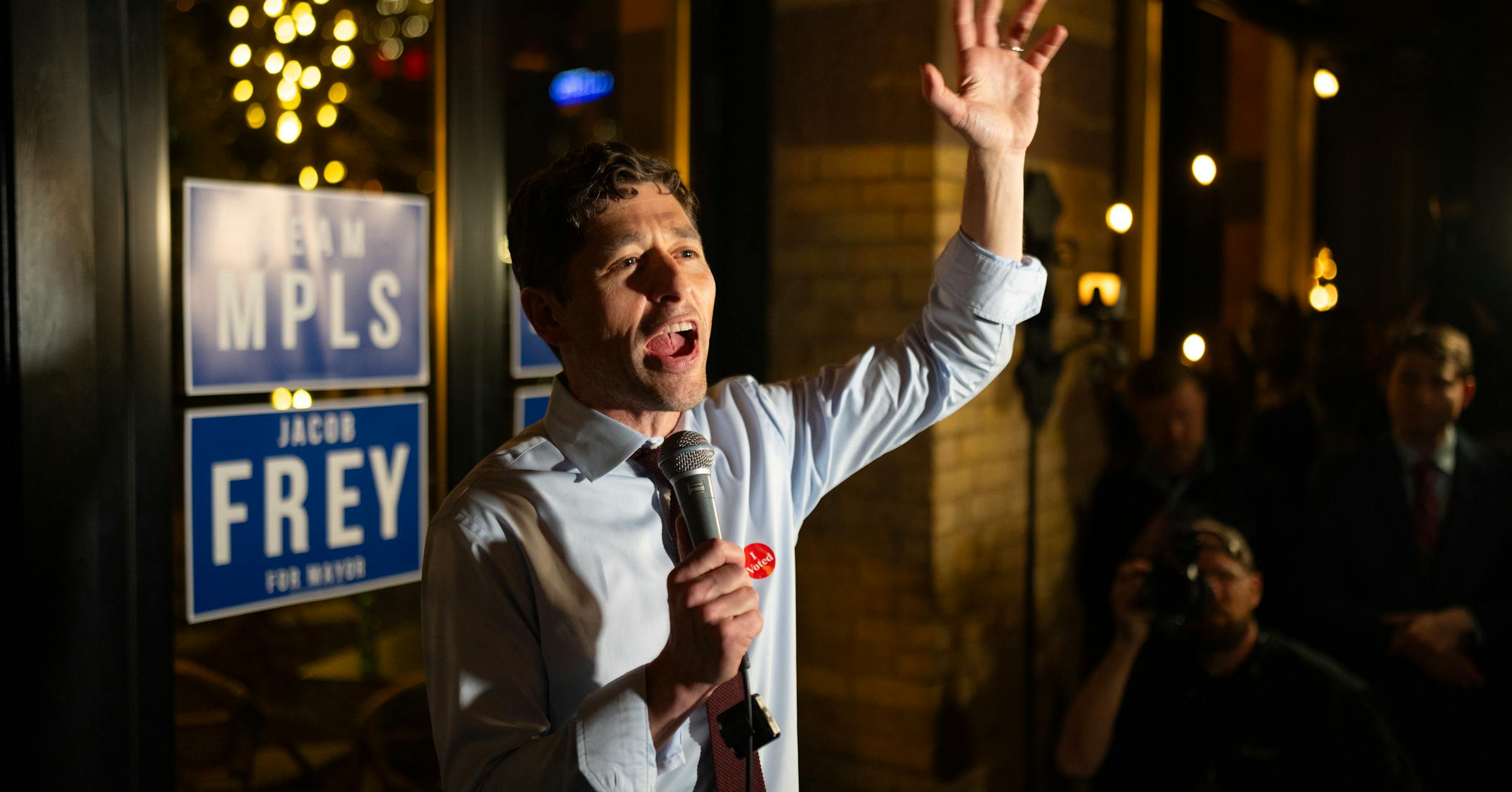
Jacob Frey has secured a third term as mayor of Minneapolis, navigating a challenging political landscape marked by low voter turnout and heightened tensions between progressive and centrist factions. His victory, announced on November 6, 2023, presents an opportunity for Frey to enhance his leadership approach, emphasizing collaboration over divisiveness.
Voter sentiment reveals a desire for practical governance and a focus on city services rather than political theatrics. In this election, voters were encouraged to utilize ranked-choice voting to express their preferences, often leading to decisions based more on opposition to candidates than on supportive choices. The influx of political action committees (PACs) exacerbated this environment, introducing aggressive tactics commonly seen in larger races, which obscured clarity on candidates’ actual policy positions.
Despite the challenges of the campaign, Frey emerged victorious, although his win did not signal a sweeping mandate. Fellow candidates, such as Jazz Hampton and DeWayne Davis, publicly acknowledged Frey’s triumph, indicating a willingness to support the administration moving forward. In contrast, Sen. Omar Fateh did not extend similar congratulations, a decision that could linger in voters’ memories.
The election underscored a significant divide within Minneapolis. One prominent voice, reflecting on this internal struggle, noted the conflict between the leftist factions led by the Democratic Socialists of America and more centrist Democrats. This division is compounded by broader national issues, as some residents perceive the federal administration as betraying key principles of governance and civic responsibility.
As the newly elected City Council prepares to assume its responsibilities, the community seeks a commitment to effective collaboration. A local resident emphasized the importance of learning from past governance experiences, urging Frey and council members to prioritize listening and working together to tackle pressing city issues.
In the aftermath of the election, another resident remarked on the critical need for leaders to address the city’s challenges, including homelessness, crime, and infrastructure deterioration. The sentiment reflects a growing impatience with the slow pace of progress over the past eight years.
In a separate but notable commentary, the aftermath of a Halloween party at Mar-a-Lago hosted by former President Donald Trump sparked discussion about his public persona. One contributor argued that while many liken Trump to Jay Gatsby from F. Scott Fitzgerald’s classic novel, it is more accurate to view him as Tom Buchanan—representative of privilege and carelessness. This perspective resonates with those who feel that the current political climate is marked by a lack of mutual respect and responsibility among leaders.
As Minneapolis moves forward, the community remains vigilant, holding elected officials accountable for their commitments to effective governance. The election results may signal a shift toward a more collaborative approach, but only time will reveal whether this promise will translate into meaningful action for the city’s residents.