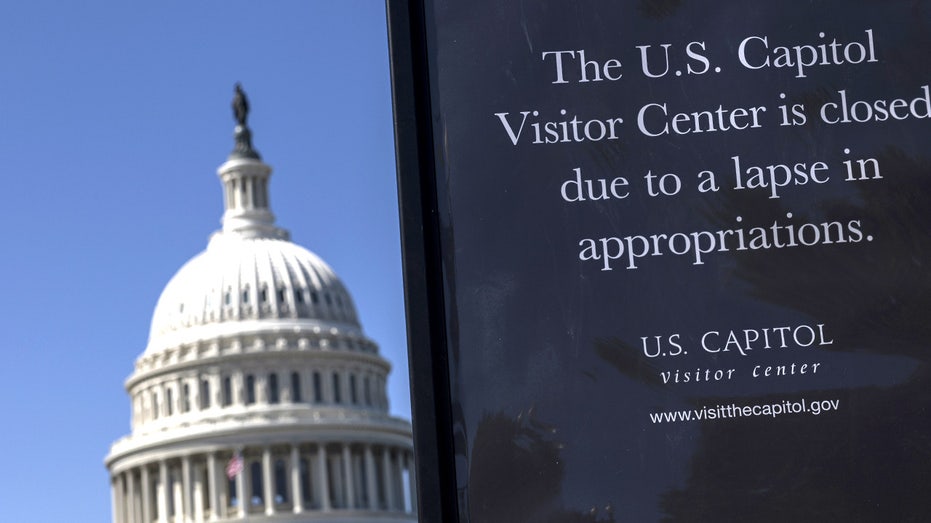
Efforts to resolve the ongoing government shutdown, now in its 37th day, are gaining momentum as lawmakers on Capitol Hill engage in discussions aimed at reopening the federal government. While no formal agreement has been reached, there are signs of progress that could lead to a resolution.
Growing Concerns Among Lawmakers
Concerns are mounting among both Republican and Democratic lawmakers regarding the consequences of the shutdown, particularly its impact on federal workers and critical programs like the Supplemental Nutrition Assistance Program (SNAP). Senator Richard Blumenthal, a Democrat from Connecticut, noted, “There seems to be some indication of a thaw,” highlighting the urgency felt across party lines.
Senators are increasingly aware of the implications of the shutdown, including its effects on aviation and other vital sectors. Senator Mike Rounds from South Dakota expressed optimism, saying, “I’m optimistic that we should get something done this week.” This sentiment is echoed by many, but uncertainty remains as lawmakers grapple with the complexities of budget negotiations.
Senator Markwayne Mullin from Oklahoma indicated that a Senate vote could occur soon, although he cautioned that his timeline was speculative. With no resolution in sight, lawmakers are seeking a path forward, and discussions are beginning to take shape.
Challenges and Proposals for Resolution
Republicans are contemplating a longer temporary spending bill that would extend funding through late January, moving beyond the current November 21 deadline set by the House-passed interim spending bill. Senate Majority Leader John Thune remarked, “We’ve lost five weeks. So the November 21 deadline no longer makes a lot of sense.”
To advance their proposals, Republicans require Democratic support to overcome potential filibusters. Senate Minority Leader Chuck Schumer stated that Democrats were exploring all options, though specifics about what they would support remain unclear.
Tensions are palpable, with some Democrats expressing frustration over the Republican stance. Senator Mark Kelly from Arizona voiced concerns about the potential consequences of prolonged negotiations, emphasizing that the stakes are high for Americans relying on federal services.
As lawmakers attempt to navigate this complex situation, discussions have become heated. There is a push for legislation that would fund the Department of Veterans Affairs, military construction projects, and agriculture until September 30, 2026. This would be accompanied by a temporary measure for the remainder of the government until late January.
Despite these efforts, uncertainty looms. As Senator Josh Hawley from Missouri pointed out, “All it takes is one little accident. And if people die? So air travel is nothing to mess around with.” The aviation sector, in particular, is feeling the strain of the shutdown, with air traffic controllers working without pay.
While there are genuine efforts to resolve the crisis, the likelihood of an immediate breakthrough remains low. Senator Thune acknowledged the challenges ahead, remarking, “The Dems are having a hard time taking yes for an answer.”
Given the political landscape, both parties face pressure from their respective bases. Progressive Democrats are wary of potential compromises that could undermine their priorities. Representative Pramila Jayapal from Washington emphasized the need for a strategic approach, stating, “There is no reason to surrender now. Every reason to stand firm.”
As the struggle continues, lawmakers remain aware that the shutdown affects millions of Americans. The situation is evolving, and while groundwork is being laid for potential solutions, the path to reopening the government remains fraught with complications and disagreements.
The coming days will be crucial as Congress seeks to navigate this impasse, and the outcome will undoubtedly impact many lives across the nation.