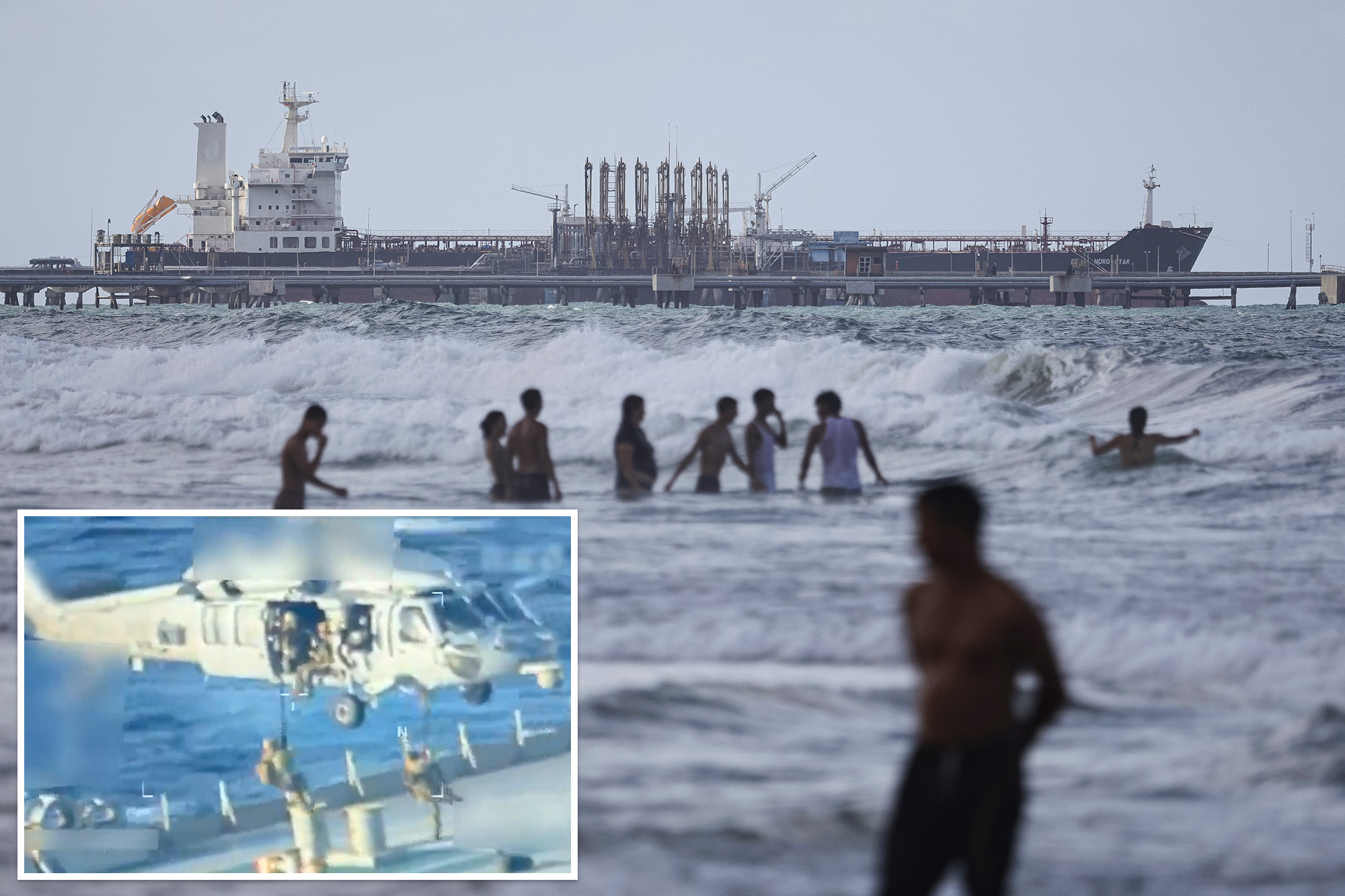
UN human rights experts have raised serious concerns over a series of US military strikes against vessels in the Caribbean and Eastern Pacific, suggesting these actions could amount to potential war crimes under international maritime law. In a statement released on Tuesday, three UN experts condemned what they described as “repeated and systematic lethal attacks” that appear to violate legal standards regarding due process and lawful military engagement.
The experts indicated that the strikes, which have reportedly resulted in 64 fatalities and left only three survivors, lack the necessary judicial or legal processes to justify the killings. They emphasized that there appears to be no effort to apprehend individuals deemed as targets or to provide substantial evidence supporting the legality of the strikes. The attacks commenced on September 2 and were primarily aimed at vessels suspected of trafficking narcotics.
In response to these allegations, US Secretary of Defense Pete Hegseth defended the strikes, stating they were a necessary response to “extraordinarily violent drug trafficking cartels” designated as terrorist organizations. Hegseth asserted that these groups pose a significant threat to US citizens and national security interests. He further claimed that the countries in the region are either unable or unwilling to tackle the ongoing threat posed by these cartels.
In a post on social media platform X dated October 28, Hegseth emphasized the urgency of the situation, stating, “[t]hese narco-terrorists have killed more Americans than Al-Qaeda, and they will be treated the same. We will track them, we will network them, and then, we will hunt and kill them.”
Legal frameworks are at the core of the debate surrounding these strikes. The United Nations Convention on the Law of the Sea (UNCLOS) does not explicitly prohibit military actions in international waters but establishes principles of “freedom of the high seas” and stipulates their use for “peaceful purposes.” While the United States is a signatory to UNCLOS, it has been criticized for not adhering to its precepts.
The UN Charter permits self-defense in response to an “armed attack,” provided such actions are necessary and proportionate according to customary law. This raises questions about whether these strikes can be legally justified under international standards.
Former President Donald Trump previously characterized the strikes as part of an “armed conflict” with drug cartels, suggesting that cartel members be classified as enemy combatants rather than mere criminals. This classification has faced scrutiny from legal experts, who argue it may lack a solid legal foundation. Additionally, there is ongoing debate about the extent of the President’s authority to authorize such military actions without congressional approval.
As international scrutiny continues, the UN experts have called for an immediate cessation of the strikes and an independent investigation into their legality. The ramifications of these military actions extend beyond legal considerations, impacting diplomatic relations and regional stability in the Caribbean and Eastern Pacific.