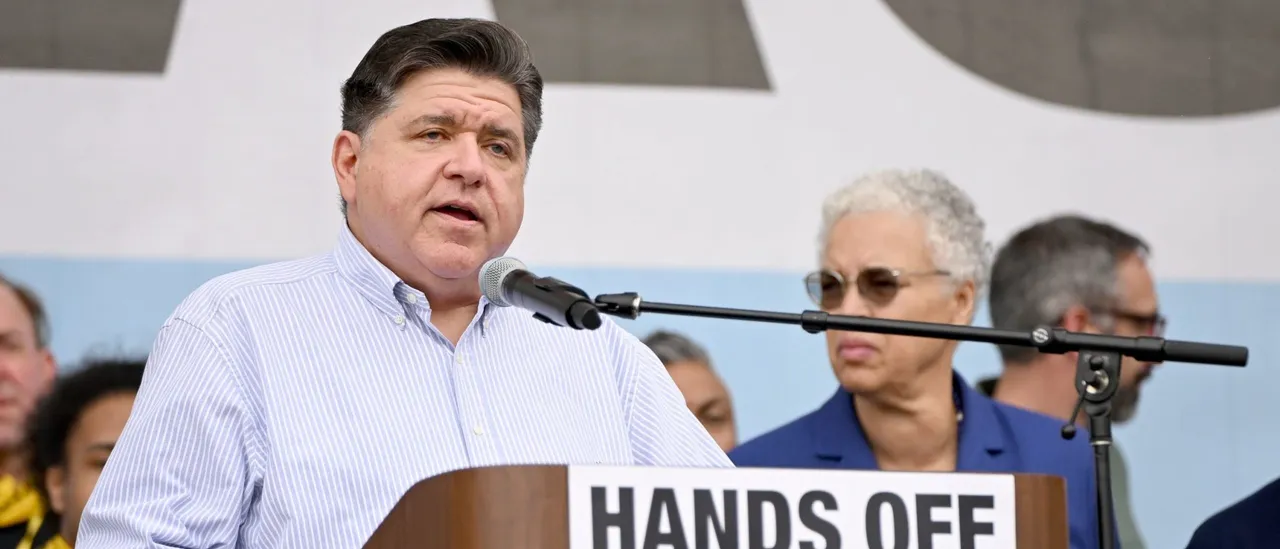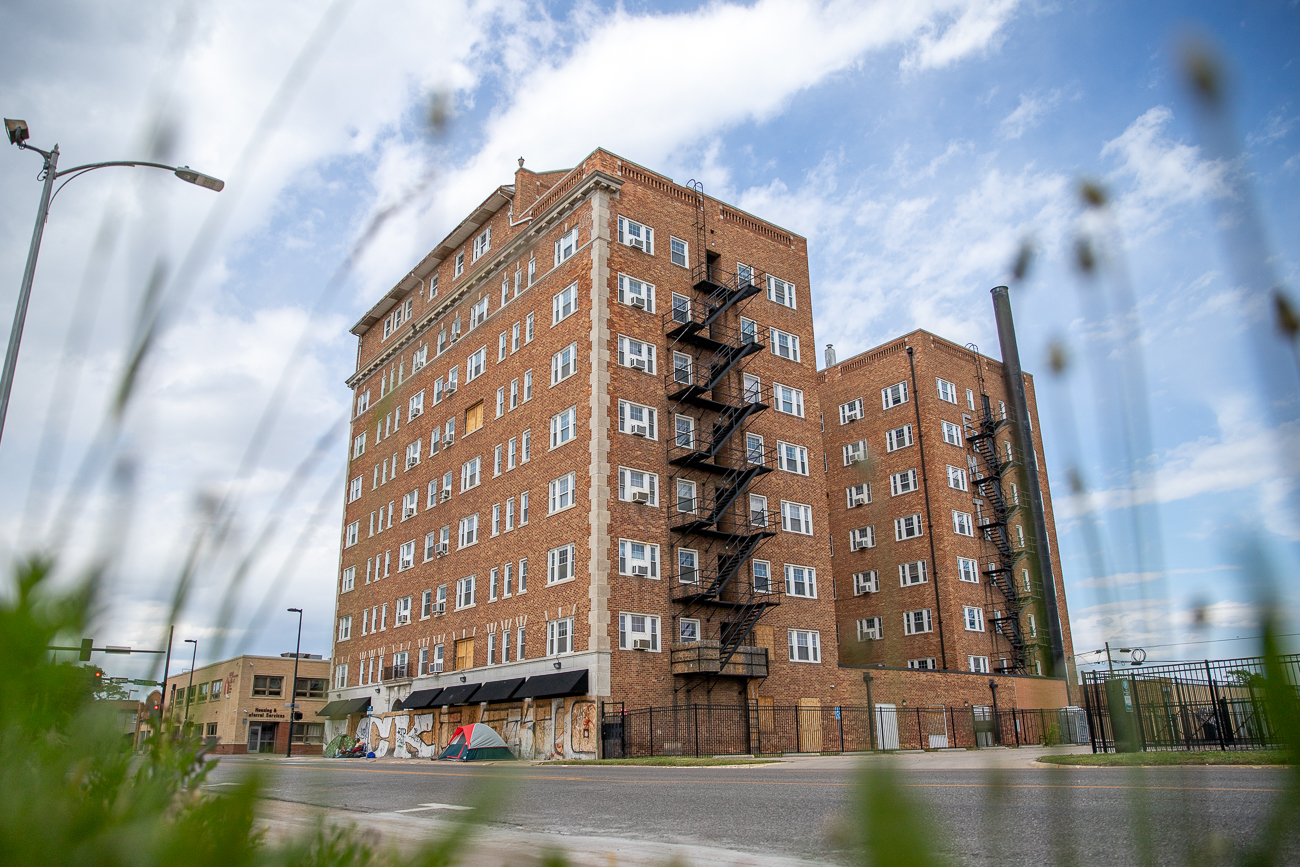
Chase Koch, heir to the Koch family fortune, is spearheading a major redevelopment of the long-vacant Shirkmere Apartments in downtown Wichita, igniting intense debate over affordable housing, gentrification, and community displacement. The project, led by his nonprofit Movement Musick, aims to transform the site into a mixed-use venue with a new music performance space alongside 40 affordable housing units, part of 100 renovated apartments planned for the location.
This ambitious redevelopment promises to revitalize downtown Wichita as a hub for arts and affordable living, addressing longstanding concerns about the deteriorating Shirkmere property. However, the project has also raised alarms about the risk of displacing current homeless populations around the site and former Shirkmere tenants who were evicted following the property’s 2022 sale.
Project Goals and Community Impact Under Scrutiny
Chase Koch, known for a softer, more community-oriented approach compared to his family’s controversial political legacy, sees this as a push toward a “kinder, gentler libertarianism,” focusing on cultural enrichment and housing diversity. Movement Musick’s vision emphasizes creating new opportunities for live music and housing targeted at groups including “graduate students, hospitality workers, first responders, and artists.”
Yet critics argue this framing overlooks Wichita’s existing low-income residents who urgently need affordable housing, suggesting the redevelopment caters more to transplants and professionals rather than the historically underserved community. Concerns are growing that the project might accelerate gentrification, potentially pushing vulnerable populations further out without guaranteeing access to renewed housing for previous residents.
Displacement Concerns and Homelessness Risks
Homeless individuals currently living in the Shirkmere vicinity face an uncertain future as construction plans proceed. While the affordable units represent progress, the absence of clear commitments to rehousing former tenants and the homeless has generated unease. Longtime residents fear losing both affordable housing options and the cultural identity of their neighborhood.
“Fundamental issues of poverty and homelessness don’t just go away with a fresh coat of paint,” a local observer warns, emphasizing the need to balance redevelopment with social equity.
Chase Koch’s role is particularly pivotal, given the family’s historical influence on American politics and climate policy. His personal shift toward fostering community development and arts signals a new chapter, but whether this initiative will mitigate—or worsen—social inequality in Wichita remains to be seen.
What to Watch Next
The project is at a critical juncture. Local activists, displaced tenants, and homeless advocates are mobilizing to press for transparent plans ensuring genuine affordable housing access and protections for current inhabitants. Meanwhile, Movement Musick pushes forward with renovation, anticipating that enhanced cultural venues and housing will inject new life into downtown Wichita’s economy.
California readers and nationwide observers should note the broader implications of this redevelopment model. Similar urban centers face the challenge of balancing investment-led renewal with protecting vulnerable populations from the costs of gentrification.
Stay tuned as this story develops and community voices rise over the future of affordable housing and cultural investment in Wichita’s evolving landscape.