Guatemala’s President Replaces Attorney General After Years of Corruption Struggle
Guatemalan President Bernardo Arévalo took decisive action today by appointing Gabriel Estuardo García Luna as attorney general, ending a fierce and protracted conflict with outgoing prosecutor Consuelo Porras, who has faced international sanctions for obstructing anti-corruption investigations.
The move marks a dramatic shift in Guatemala’s national prosecutor’s office, known as the Public Ministry, which has long been plagued by accusations of corruption and political manipulation. García Luna will officially take office on May 17, when Porras’s controversial term concludes.
President Arévalo’s Bold Move to Restore Justice
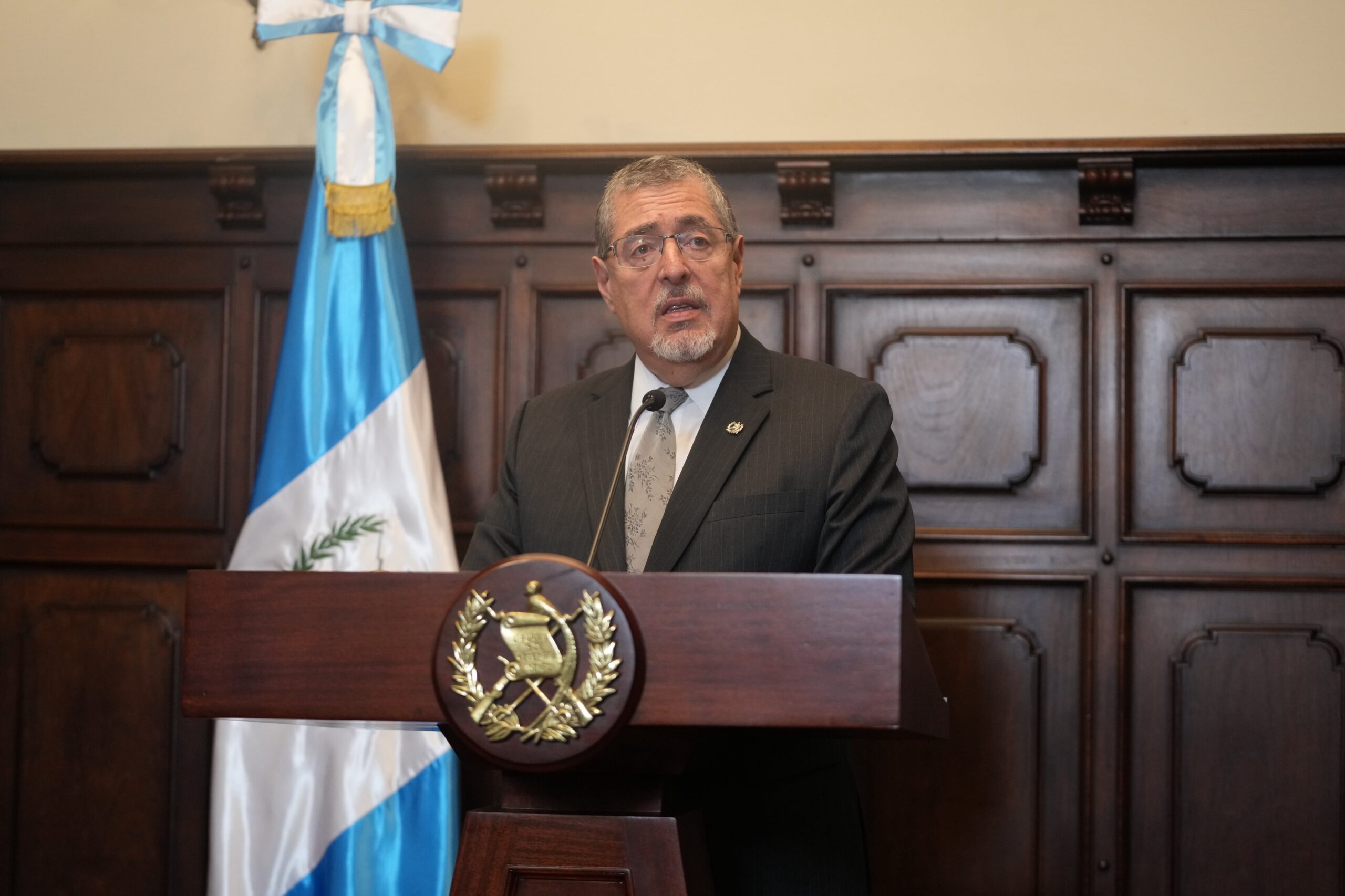
President Arévalo, a progressive leader elected last year on an anti-corruption platform, declared in a national address that he entrusted García Luna with the role to ensure the Public Ministry serves the law — not the interests of any president or political faction.
“The Public Ministry is getting a new authority who does not come to serve a president, the government of the day, or particular or spurious political interests,” Arévalo affirmed.
For years, Porras’s tenure sparked sharp criticism both inside Guatemala and internationally. More than 40 countries sanctioned her for allegedly using her office to block corruption probes and target political enemies, including judges, journalists, and even President Arévalo himself.
Since Arévalo’s rise to power, Porras’s office has repeatedly tried — and failed — to derail his presidency by challenging the legitimacy of his party, the Seed Movement, conducting raids on party offices, seizing ballots, and seeking to strip him of immunity.
New Leadership with Strong Legal Credentials
Gabriel Estuardo García Luna, 49, brings 22 years of legal experience, advanced doctoral studies, and a reputable professional record to the role. His appointment followed a rigorous selection process involving a commission composed of Guatemala’s Supreme Court president, law school deans, and the national bar association, who reviewed >48 applications.
Experts and international observers view García Luna’s appointment as a hopeful signal Wales might finally rebuild trust in Guatemala’s justice institutions.
Why This Matters to U.S. and California Audiences
Guatemala’s fight against entrenched corruption resonates widely, as it’s a major origin point for migration routes into the United States, including California. Political instability and corruption in Central America have direct human consequences, fueling migration and undermining regional security.
Arévalo’s efforts to transform the Public Ministry could curb graft and restore democratic governance — potentially easing some of the pressures that lead people to seek refuge in the U.S.
What to Watch Next
Observers will closely monitor García Luna’s ability to clean up the prosecutor’s office and resist pressures from entrenched interests. His first moves, transparency efforts, and prosecution priorities will be telling for Guatemala’s justice reform.
Meanwhile, Porras’s lingering political maneuvers and any ongoing disputes involving the Seed Movement party remain potential flashpoints in Guatemala’s volatile political environment.
As this story develops, The California Herald will continue tracking how Guatemala’s anti-corruption battle impacts broader regional politics and migration trends affecting Californians and U.S. national interests.