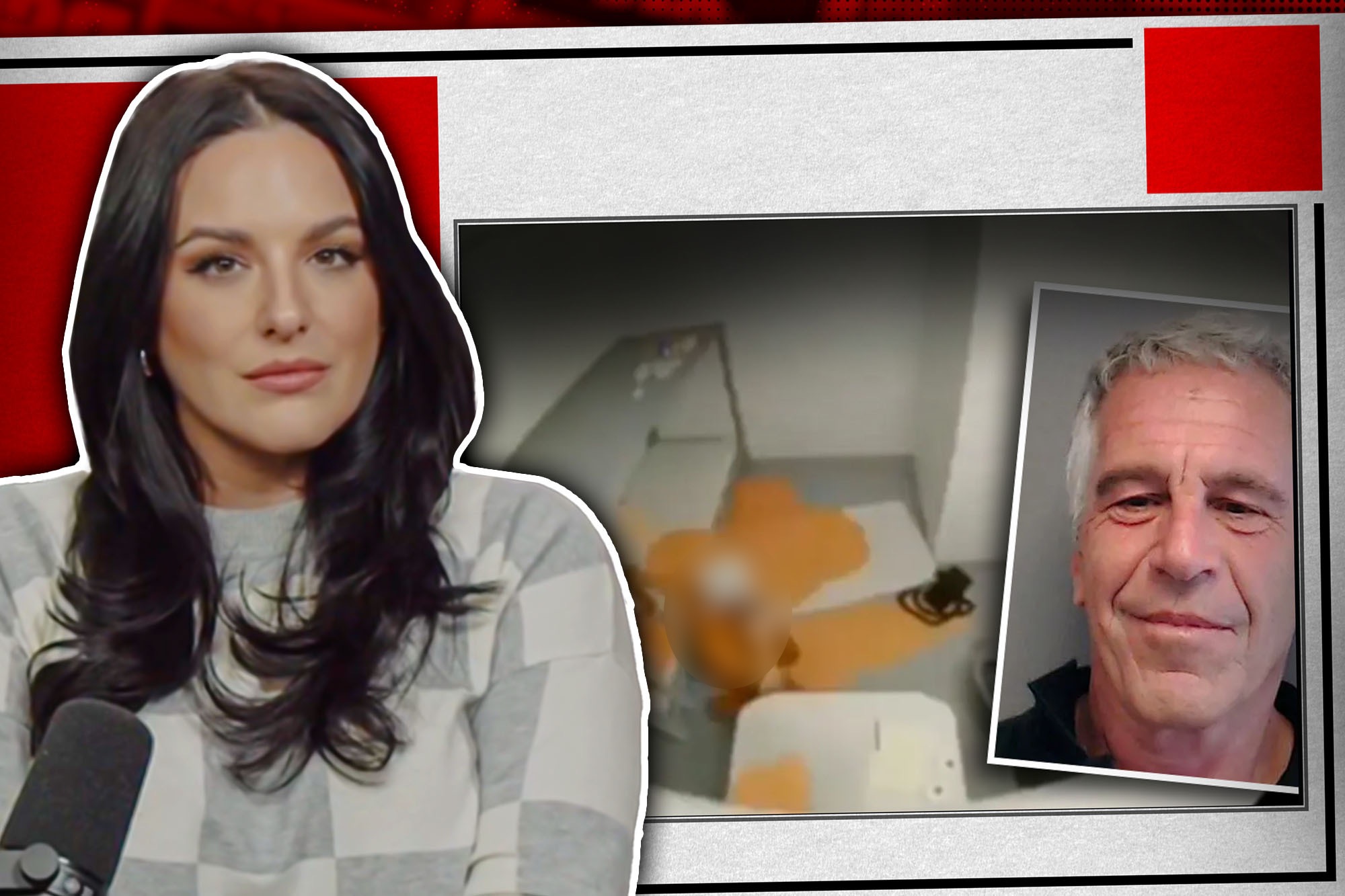
Jonathan Rinderknecht, the man arrested in connection with the devastating Palisades fire, reportedly harbored deep resentment toward wealthy individuals and admired the accused killer of a United Healthcare CEO as a heroic figure, according to court documents released by federal prosecutors.
The Palisades fire, one of the most expensive disasters in U.S. history, erupted after the initial Lachman fire — which smoldered underground for days before strong winds reignited it on January 7. The blaze consumed 6,500 structures in the Pacific Palisades and Malibu areas, killed 12 people, and caused billions in damages and insurance claims.
Suspect’s Motive Tied to Wealth Resentment and Admiration for Alleged CEO Killer
Federal prosecutors describe Rinderknecht as motivated by anger against capitalism and the wealthy. Court filings note he viewed Luigi Mangione, accused of killing a United Healthcare CEO, as a modern-day Robin Hood.
Forensic analysis of Rinderknecht’s electronics uncovered internet searches dating back to December 2024—including “Free Luigi” and “reddit lets kill all billionaires”—highlighting his anti-wealth mindset.
Witnesses reported Rinderknecht’s erratic behavior in the hours leading up to the fire; he expressed growing frustration with the world, capitalism, and his idol Mangione. His emotions intensified after a personal setback with a former coworker and a rejection on December 30, 2024, followed by frantic voicemails and ominous chats communicated through ChatGPT.
Investigators also found Rinderknecht listening to a French rap song tied to themes of despair and fire imagery as he fixated obsessively on memories of an ex-lover, suggesting a volatile emotional state.
Investigators Link Suspect to Fire Scene and Key Evidence
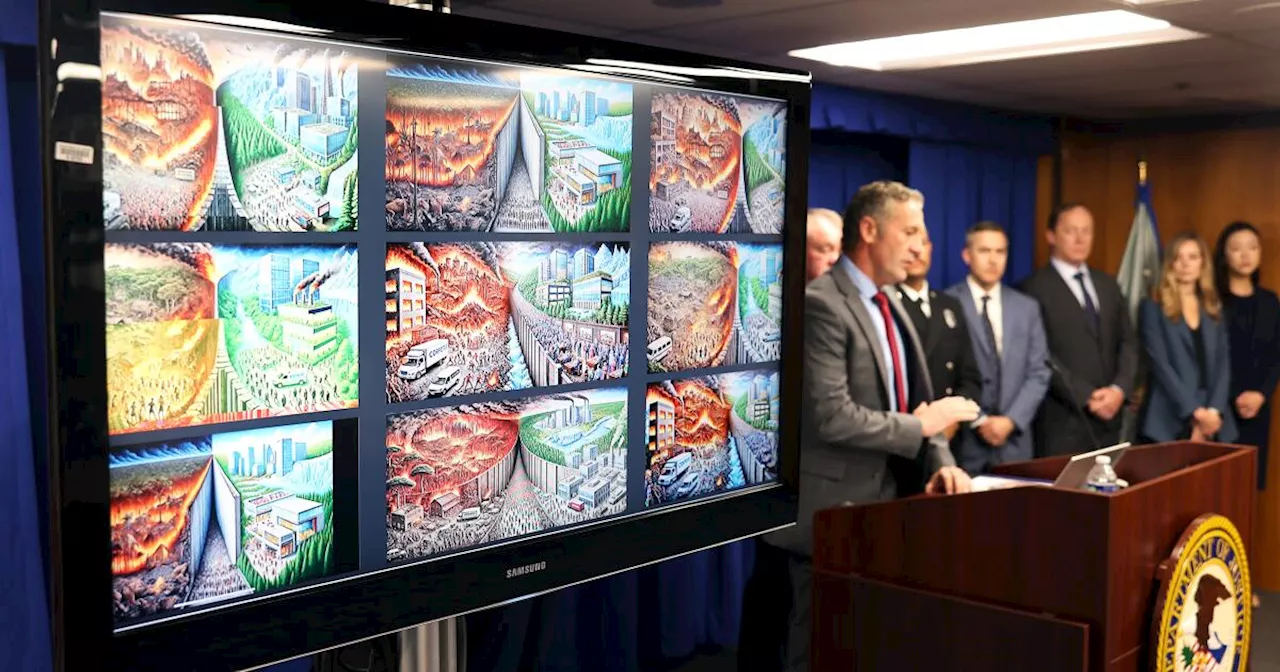
The Bureau of Alcohol, Tobacco, Firearms, and Explosives (ATF) zeroed in on Rinderknecht weeks after the fire, following multiple 911 calls he made reporting the outbreak.
Evidence connecting him to the fire includes a BIC lighter with his DNA found in his car, which he admitted carrying on the nearby Temescal Canyon trail—a location close to the fire’s origin.
Warrants executed on his phone and devices revealed geolocation data contradicting his statements about how he discovered the blaze, placing him near the initial fire site as he made emergency calls.
Rinderknecht’s Uber vehicle was traced to the area, and he was captured on video December 29, 2024, near fire trucks while commenting cryptically about dire consequences for others.
Legal Challenges Ahead as Defense Questions Evidence Strength
Despite the mounting circumstantial evidence, legal expert Neama Rahmani warns the prosecution faces hurdles. Rahmani explains that motive based on ideology and personal relationships may not be enough for conviction without stronger direct proof.
Rinderknecht’s attorney, Steve Haney, insists the government lacks concrete evidence tying his client to the initial Lachman fire.
Next Steps and Wider Impact
Rinderknecht was arrested eight months after the Palisades fire. The case now centers on whether the Lachman fire reignited naturally due to weather or was deliberately set, igniting a catastrophe with massive human and financial toll.
This investigation unfolds amid intense public scrutiny of wildfires’ causes in California, where climate factors and human actions intertwine. The Palisades fire’s tragic death count and widespread destruction keep the spotlight on accountability and preventive measures.
Authorities continue to gather evidence as the trial approaches, with families of victims and residents demanding justice for lives lost and communities displaced.
ATF spokesperson: “This case highlights the urgent need to address individuals who pose risks fueled by extremist resentment toward economic disparity.”
California and U.S. residents affected by wildfires or concerned about escalating disaster risks are watching this legal process closely as a potential precedent for future prosecutions tied to wildfire devastations.