Legendary documentary filmmaker Barbara Kopple, known for her Oscar-winning films on American labor struggles, is now turning her lens on one of the nation’s most powerful corporate giants: Amazon. Kopple has begun production on a new documentary focusing on the intense battles between gig workers, union forces like the Teamsters, and massive corporations shaping the future of labor in the U.S.
For decades, Kopple has chronicled the evolving plight of American workers—from coal miners in Kentucky to meatpacking protests in Minnesota—documenting the tension between unions and corporate interests during volatile economic times. Now, she is confronting a new frontline: the precarious conditions faced by Amazon delivery drivers and independent contractors, who lack basic protections and benefits despite their crucial role in the nation’s supply chain.
Groundbreaking Storytelling Returns as Labor Struggles Shift to the Tech Era
“Amazon never officially hires these independent contractors, but they can fire them,” Kopple explains, highlighting the exploitative nature of gig work. She describes workers known as deliveristas, who often come from immigrant backgrounds, bearing the full financial and physical risks with no health insurance or labor safeguards. “They have to buy their own motorcycles, bikes, gloves, and if anything happens, they’re on their own.”
Unlike her earlier works, which zeroed in on union-solidarity moments like strikes by coal miners and Hormel meatpackers, this project exposes the fracturing labor landscape in today’s gig economy era. The Teamsters, with decades of history, continue fighting violations from big corporations like UPS, yet the struggle to protect workers’ rights has never grown more complicated, Kopple says.
From Kentucky Miners to Minnesota Meatpackers: A Legacy of Labor Battles
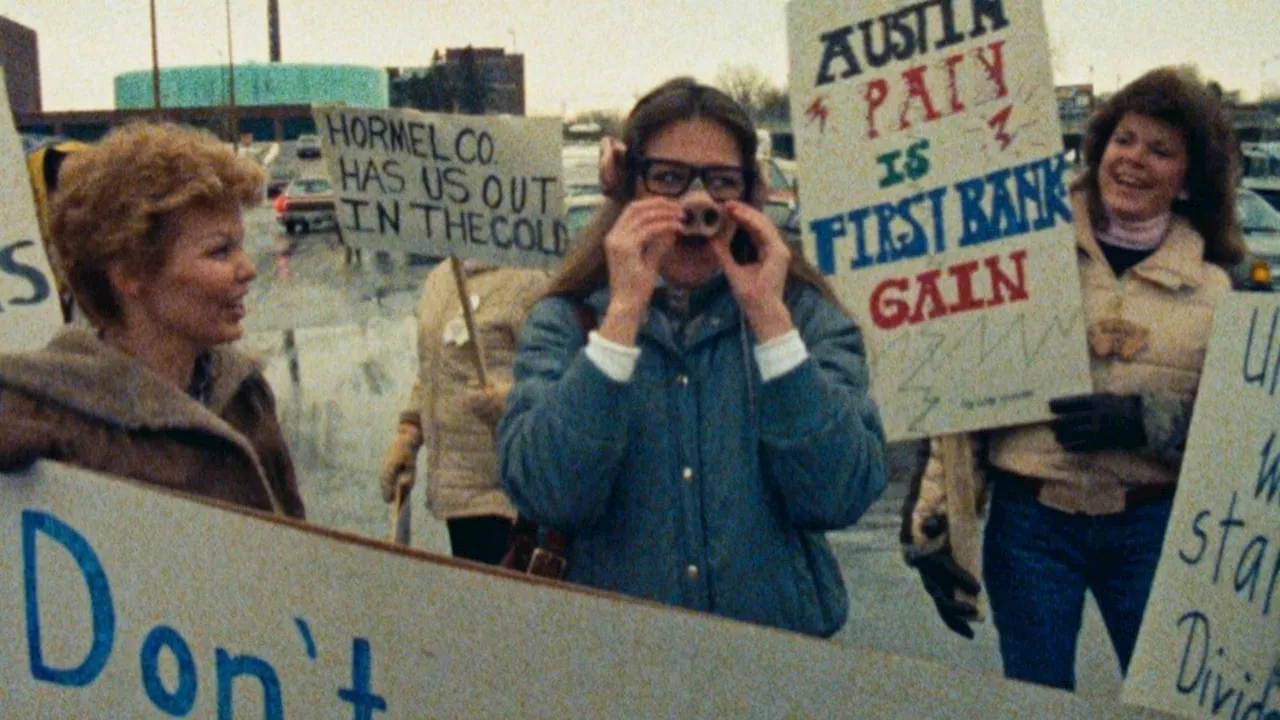
Kopple’s first major success came from documenting the Harlan County coal miners’ strike in 1976, where she captured community solidarity amid corporate oppression. A decade later, her acclaimed film on the Hormel meatpacking strike in Austin, Minnesota, revealed internal union divisions and workers’ desperation under Reaganomics’ economic pressures. Both films won Oscars and remain crucial records of labor history.
Now, as she revisits themes of union leadership conflicts and worker survival strategies in a vastly different economic context, Kopple reflects on the similarities. “These men who believed all their lives in not crossing picket lines faced heartbreaking choices between family and union in Minnesota,” she says. “Today’s gig workers face similarly impossible decisions.”
Fighting Back as Funding and Support for Social Issues Dry Up
Kopple, who has battled hardships ranging from funding shortages to personal financial struggles, warns that today’s documentary filmmakers face hostile political climates. “The National Endowment for the Arts isn’t funding social issue films like before,” she reveals. “It’s a difficult time, but you have to be creative, find donors, and keep the passion alive.”
Despite funding challenges, Kopple’s commitment remains steadfast. Her intimate approach—living within communities for years to capture authentic stories—continues to set her apart. “You can’t tell these stories in two weeks. You have to be embedded, embraced by the community,” she stresses.
Why Kopple’s New Film Matters to California and American Workers
California’s massive Amazon workforce and union activism make this documentary especially timely for the state and national audiences. As Amazon and other gig economy giants face mounting pressure over labor practices, Kopple’s film aims to put a human face on abstract economic struggles—showing what’s at stake for millions of workers.
Kopple’s new project promises to shed urgent light on the modern labor movement’s evolution and rally public awareness around the persistent fight for fair wages and protections in an era dominated by technology-driven corporate power.
“Hopefully people will see these films. You’ve done it and nobody can erase it,” Kopple says, emphasizing the importance of storytelling in preserving workers’ voices amid ongoing struggles.
The California Herald will continue to follow Barbara Kopple’s groundbreaking labor documentary as it develops, bringing updates on her fight to expose corporate abuses and champion labor rights across sectors most vulnerable to modern economic exploitation.