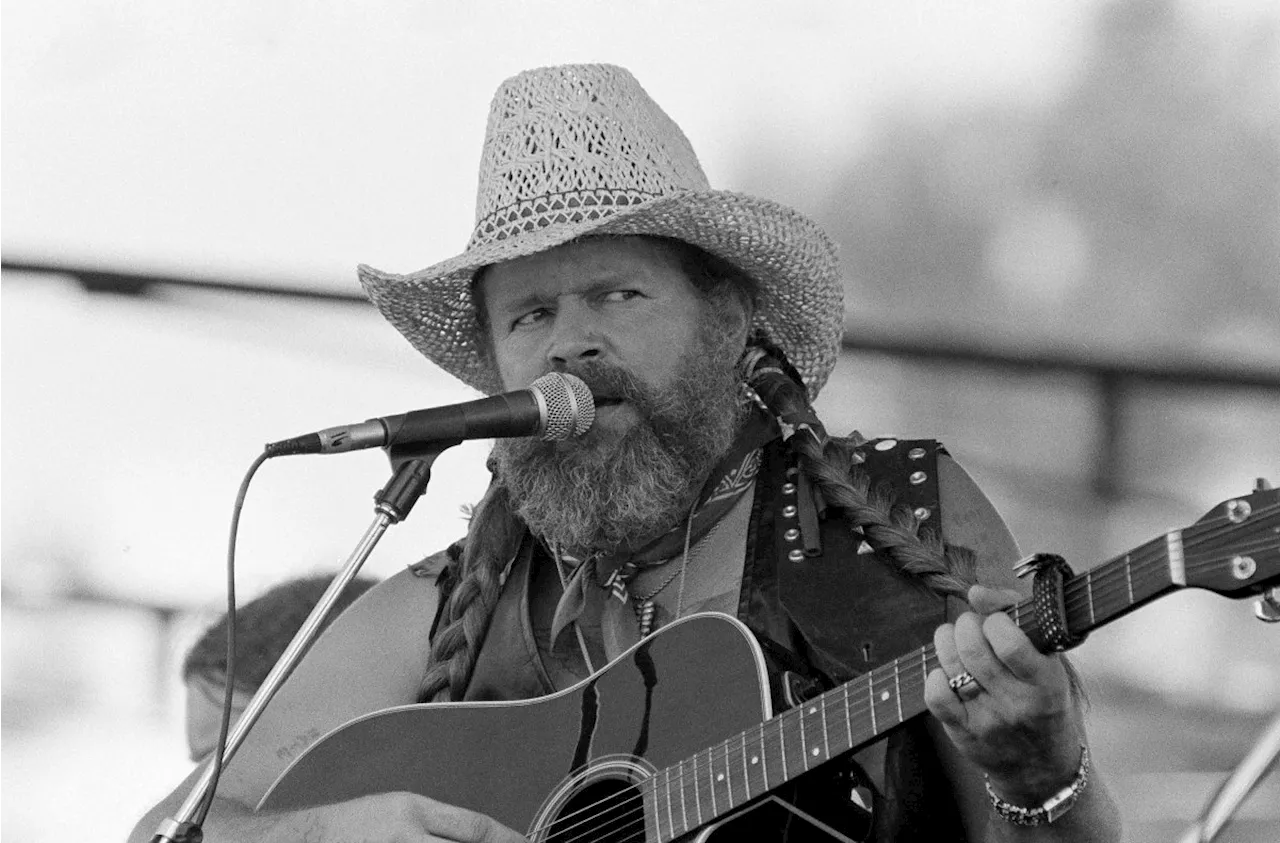
David Allan Coe, Outlaw Country Icon, Passes Away at 86
David Allan Coe, one of country music’s most provocative and influential figures, has died at the age of 86, his widow Kimberly Coe confirmed on April 29. Known for penning the legendary blue-collar anthem “Take This Job and Shove It,” Coe was a defining voice in the outlaw country movement and left behind a complex legacy marked by both groundbreaking music and controversy.
“My husband, my friend, my confidant and my life for many years,” Kimberly said in a heartfelt statement. “I’ll never forget him and I don’t want anyone else to ever forget him either.”
A Trailblazing Career Marked by Hits and Hardship
Coe’s career took root in Nashville, Tennessee, where he emerged in the 1970s alongside outlaw country legends challenging Nashville’s polished sound. His songwriting success includes the 1977 smash made famous by Johnny Paycheck, “Take This Job and Shove It,” which resonated deeply with America’s working class and inspired a 1981 film of the same name.
Other notable songs spanning decades include “You Never Even Called Me by My Name,” “The Ride,” “Mona Lisa Lost Her Smile,” and “Longhaired Redneck.” Throughout his life, Coe released over 40 albums, showcasing a raw style grounded in autobiographical storytelling.
Born in 1939 in Akron, Ohio, Coe’s early life was troubled. After stints in reform schools, he spent time in prison from 1963 to 1967—a period that deepened his focus on music. “No one could take it away from me,” Coe reflected about those years. “They could put me in the hole with nothing to do but I could still make up a song in my head.”
More Than Music: Controversy Shadowed His Legacy
Despite his musical acclaim, Coe was a polarizing and often divisive figure. His underground recordings from the late 1970s and early 1980s drew sharp criticism for offensive content, including racist and misogynistic themes. Coe denied being racist but acknowledged the controversy that plagued much of his career.
In his later years, Coe also faced legal battles. In 2016, he was ordered to pay nearly $1 million to the Internal Revenue Service (IRS) for obstructing the agency and was sentenced to three years’ probation.
Legacy and Remembrance
A representative quoted by Rolling Stone called Coe “one of the best singers, songwriters, and performers of our time never to be forgotten.” His influence on outlaw country remains significant, especially as contemporary artists revisit the genre’s rebellious roots.
As fans across California and the United States mourn his passing, Coe’s music and tumultuous life story continue to spark discussions on artistry, accountability, and the boundaries of free expression in country music.
The music world now pauses to reflect on a figure whose voice captured the grit and contradictions of American life, marking April 29 as the day outlaw country lost one of its most unmistakable pioneers.