Netherlands Doubles Military Reservists in Urgent Push Backed by Royals
The Netherlands is racing to double its military reservists amid growing fears of a new European conflict, fueled by a surge of volunteers inspired by Queen Maxima and Princess Amalia. The government has committed to increasing its armed forces from 80,000 to 120,000 personnel by 2035 to face emerging security threats.
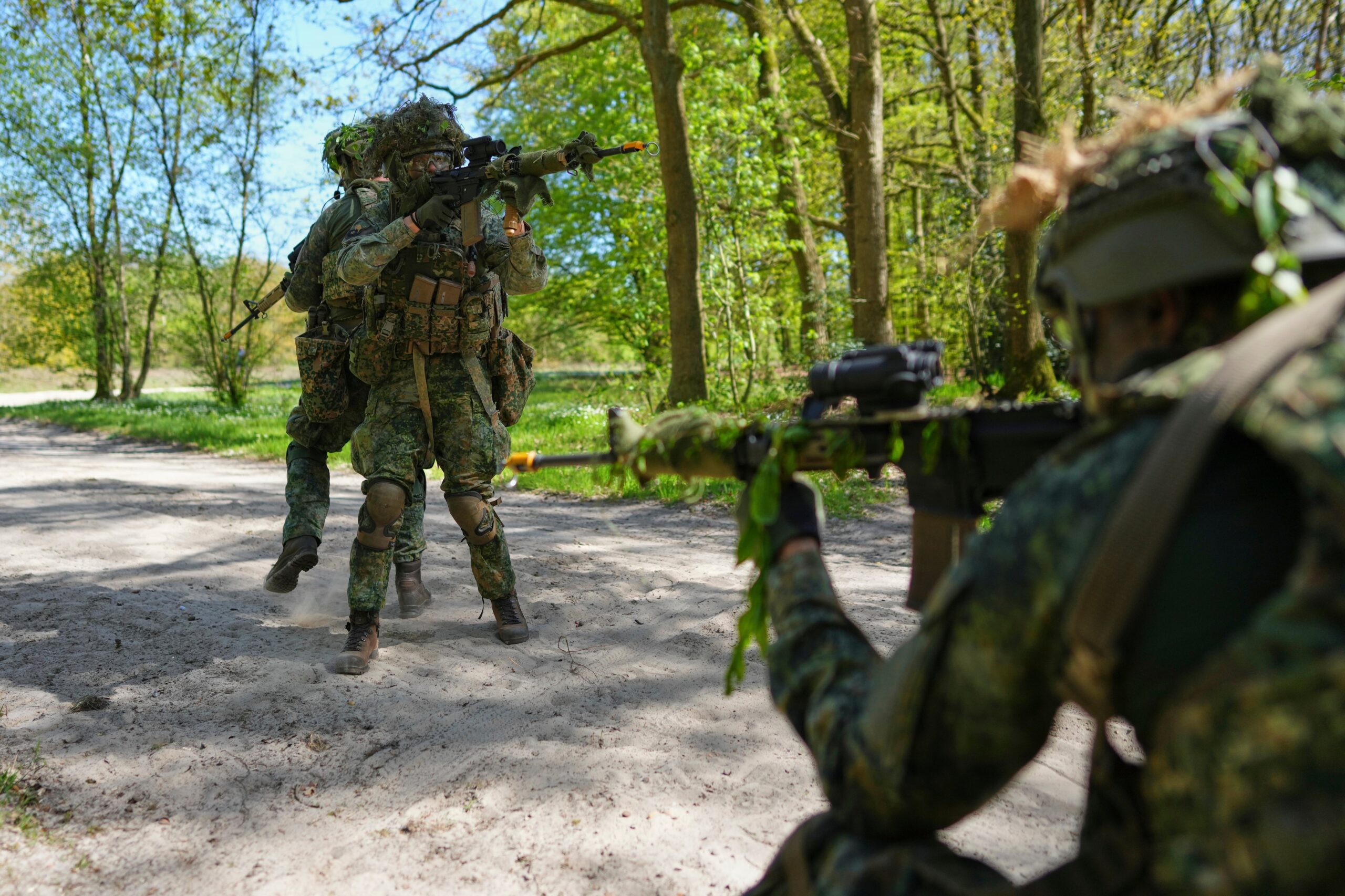
In a weekend training session in Havelte, eastern Netherlands, reservists in camouflage silently maneuvered through dense forest, practicing infantry skills with Colt C7 rifles. These volunteers are part of the 10th Infantry Battalion Guard Security Corps National Reserve, whose numbers are swelling rapidly as the military struggles to equip and train all newcomers.
Royal Enlistment Sparks Surge in Military Volunteers
The Dutch recruitment drive saw an unexpected but powerful jump after Queen Maxima and her daughter, Amalia, Princess of Orange, joined as volunteer reservists. Photos of the queen training with pistol in hand made global headlines, delivering what Dutch Defense officials call the “Amalia effect.”
“It’s very inspiring to see how members of our royal family inspired people to join our armed forces,”
said Derk Boswijk, State Secretary for Defense, speaking to The Associated Press.
Currently, the Netherlands has about 9,000 reservists but aims to reach at least 20,000 by 2030. Boswijk admitted the military faces a “luxury problem” of managing a flood of applications amid shortages of training facilities, housing, uniforms, and weapons to equip new recruits.
Rising Global Threats Drive Shift in Dutch Military Strategy
Escalating tension from Russia’s war in Ukraine and concerns expressed by U.S. officials have pushed the Dutch military to refocus from peacekeeping toward robust national defense. A corporal in the reserves noted a clear shift from low-threat missions to emphasizing infantry operations critical to protecting infrastructure and key sites.
European Union and NATO analysts warn Russian President Vladimir Putin could attempt further attacks in Europe within three to five years if the war in Ukraine tips in Russia’s favor. NATO’s new strategy calls for more mobile, combat-ready forces in member states like the Netherlands.
European Militaries Also Expanding Volunteer Forces
The recruitment surge in the Netherlands aligns with a broader European trend. Germany plans to boost pay and flexibility for short-term military service to lure volunteers without reinstating conscription. France launches a program to recruit 3,000 volunteers aged 18-25 annually, aiming for 50,000 per year by 2035.
In northern Europe, where the Russian threat is immediate, countries like Finland, Sweden, Denmark, and Latvia continue conscription or mixed volunteer-draft systems reflecting heightened security urgency.
Dutch Military Seeks New Skills Beyond Traditional Combat
Behind the traditional camouflage, the modern Dutch military recognizes threats extending into cyberspace and digital warfare. The Defense Ministry encourages recruits across diverse backgrounds—including gamers and tech-savvy individuals—to join, highlighting the need for a wide array of skills to safeguard society and allies.
New Generation Motivated by History and Present Danger
Many new recruits are driven by lessons of Dutch history. “In primary school, we learned it took German forces only five days to take over Holland in WWII,” said volunteer Lisette den Heijer. She joins to prevent any repeat of rapid foreign occupation.
Another reserve soldier highlighted the evolving role: “We now focus more on protecting vital infrastructure after shifting from peacekeeping roles in 2018.” Last year, reservists contributed significantly to security at a major NATO summit in The Hague.
Weekend Warriors Defend the Homeland
Dutch reservists are committed to 300 hours annually, balancing weekend exercises with civilian careers. They typically secure domestic sites and assist in emergencies such as severe flooding.
As volunteers completed their weekend exercise in Havelte, exchanging high-fives after a simulated combat mission, their dedication underscores the Dutch resolve to confront growing threats with fresh manpower and fierce patriotism.
For the United States, watching Europe’s military build-up highlights the shifting defense priorities within NATO as alliances adapt to new realities. California’s tech and defense sectors may also find growing opportunities as allied nations urgently modernize forces for future crises.