Iran Seizes Foreign-Flagged Oil Tankers, Escalating Maritime Tensions
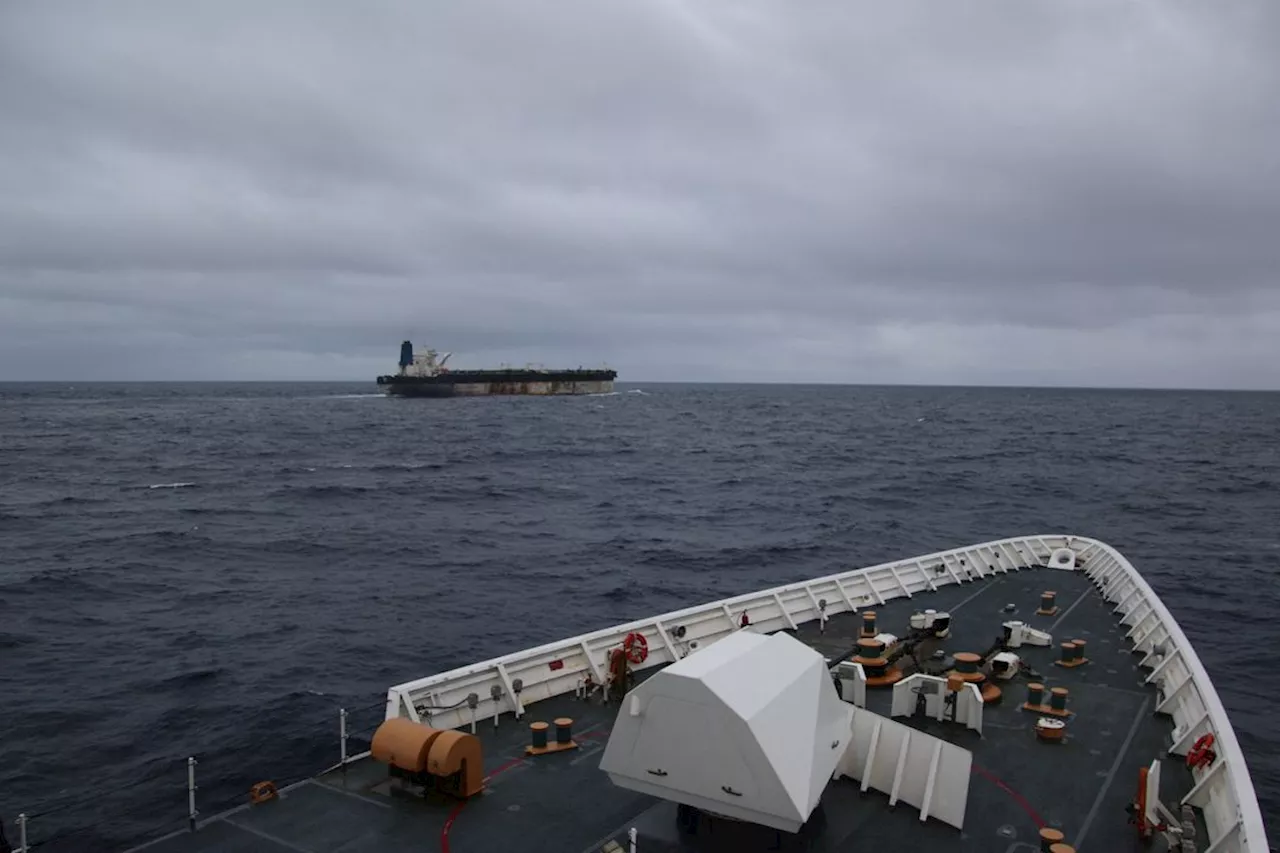
New reports confirm Iran’s Revolutionary Guard has seized two oil tankers, MSC Francesca flagged in Panama and Liberia-flagged Epaminondas, accusing them of maritime violations and links to Israel. The vessels were intercepted last week and transferred to Iranian shores, heightening tensions amid the ongoing US-Israel war on Iran and control struggles over the strategic Strait of Hormuz.
This move comes as Tehran maintains tight control over the critical waterway since the conflict began on February 28. The stranglehold prevents commercial oil tankers and container ships from passing freely, impacting global oil flows. In response, the US imposed a naval blockade on Iranian ports on April 13, prompting a fierce maritime standoff with multiple vessel seizures on both sides.
Flags of Convenience Hide True Owners in International Shipping
Both seized vessels sailed under so-called “flags of convenience” — a widespread international practice where shipowners register vessels in foreign countries with lenient regulations. Panama and Liberia top the list of registries offering low fees, relaxed oversight, and often little transparency about the vessels’ real owners.
Experts estimate that more than 75-80 percent of the global merchant fleet, including most oil tankers, use these open registries to evade costs and stricter national rules. The system allows owners to hire cheaper crews, reduce regulatory burdens, and avoid taxes. However, it also creates opacity that complicates enforcement in conflicts and sanctions.
“Flag-hopping” — frequently changing a ship’s registry to dodge sanctions or evade detection — is increasingly common amid geopolitical conflicts. The US previously captured the Panama-flagged tanker Sophia in December 2025 for violating sanctions linked to Venezuela. A similar chase unfolded recently with the tanker Bella 1, which changed its name to Marinera and switched flags mid-voyage before US forces finally seized it, exposing tactics used to conceal illicit oil shipments from sanctioned countries including Iran.
Why This Matters Right Now
This maritime conflict threatens oil supply chains just as global markets face price volatility. The disruption of tanker movements through the Strait of Hormuz — one of the world’s busiest oil transit points — has direct repercussions on US energy security and international trade routes.
Moreover, the use of flags of convenience undermines efforts to identify and hold accountable the true beneficiaries behind vessels involved in illicit activities or geopolitical disputes. This lack of transparency complicates US and international authorities’ enforcement measures amid the US-led sanctions regime targeting Iranian and allied oil shipments.
The evolving naval clashes highlight the risks for California and US consumers as oil transport risks escalate. The deep opacity of ship ownership means that the real economic players behind seized or sanctioned vessels often remain hidden, creating challenges for policymakers aiming to stabilize energy supplies and enforce international law.
What’s Next?
Authorities in Washington and allied nations are stepping up maritime surveillance and enforcement, but the flag-of-convenience system remains a formidable obstacle. The US Navy continues intercepting vessels suspected of breaching sanctions, while Iran sustains its stranglehold on key waterways.
Observers warn the struggle for control over tanker routes may intensify, increasing the risk of future seizures, altercations, and disruption of global oil markets. Shipping industry reforms to improve transparency and tighten regulatory standards remain a significant focus but face resistance from registries benefiting financially from the current opaque system.
“Flags of convenience create a cover for sanctioned and illicit activities, making enforcement a complex task,” Maritime Analyst Lara Chen said.
For California and the United States, these unfolding maritime battles are a critical flashpoint with immediate implications for energy markets, geopolitical stability, and the enforcement of international law at sea.