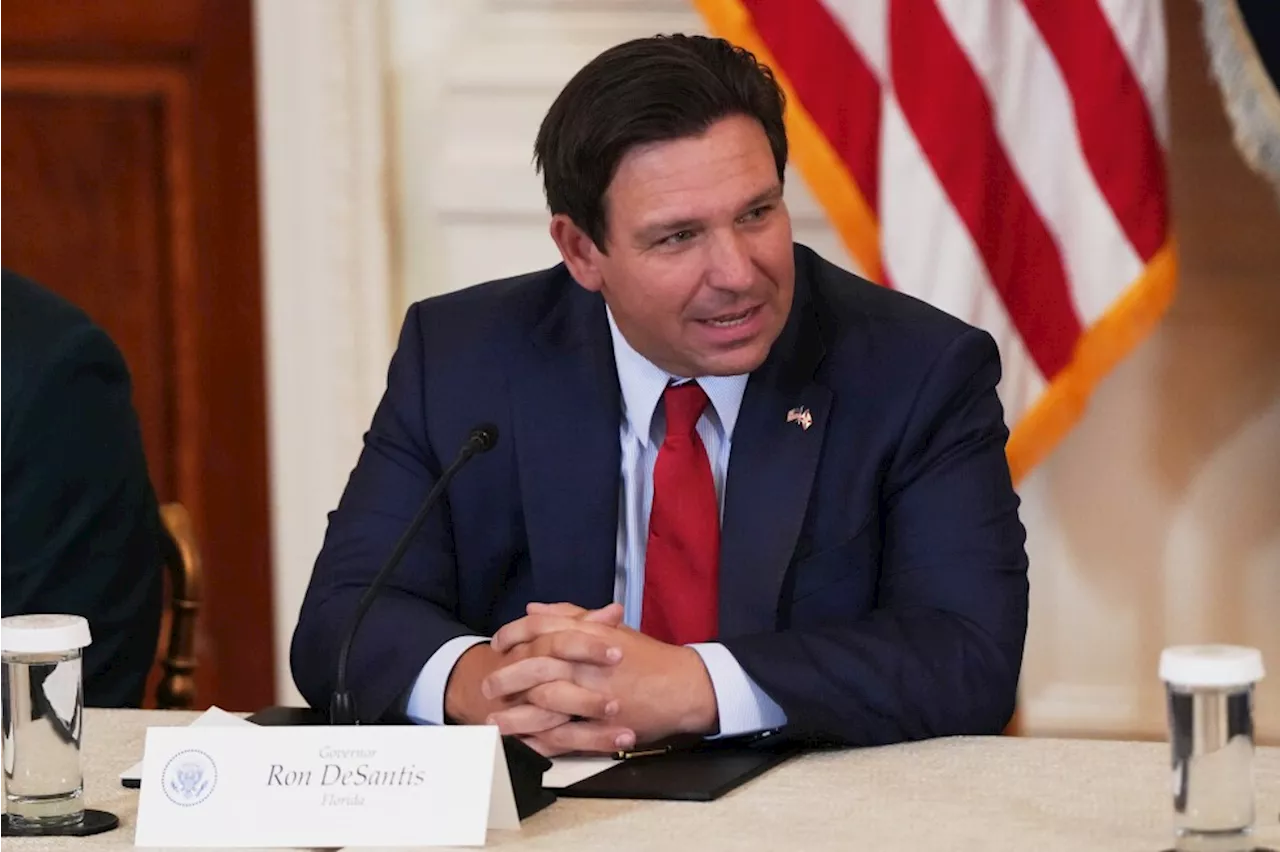
Florida Governor Ron DeSantis is back in the national spotlight this week, aggressively pushing a new congressional map that would shift power toward Republicans by adding four seats ahead of the November midterms.
With his second term closing, DeSantis is making one of his last big plays to prove he remains a future leader of the Republican Party. His proposed redistricting plan would reshape districts around Orlando, Tampa Bay, and South Florida, consolidating Democratic voters to reduce their influence while expanding GOP-held districts from 20 to 24 seats, cutting Democrats from 8 to 4.
The map aims to counterbalance anticipated Democratic gains in states like Virginia, but critics warn this could backfire by creating thinner Republican majorities vulnerable to a potential anti-Trump voter push this election cycle.
“If Florida moves like it can, the Republicans will at least be even,” said Karl Rove, former adviser to President George W. Bush. “If they get too aggressive, they may lose a seat or two.”
DeSantis Tangles with GOP and Trump Allies
The redistricting fight comes amid internal Republican tensions. While DeSantis enjoys support from influential lobbyists like Brian Ballard, who praises his previous success in the 2021 map, some state lawmakers in both the Florida House and Senate remain cautious.
House Speaker Daniel Perez and Senate President Ben Albritton, key figures in the process, have refrained from drawing their own proposals, waiting to react to DeSantis’ plan. Albritton has reminded senators of constitutional limits aimed at preventing overtly partisan maps.
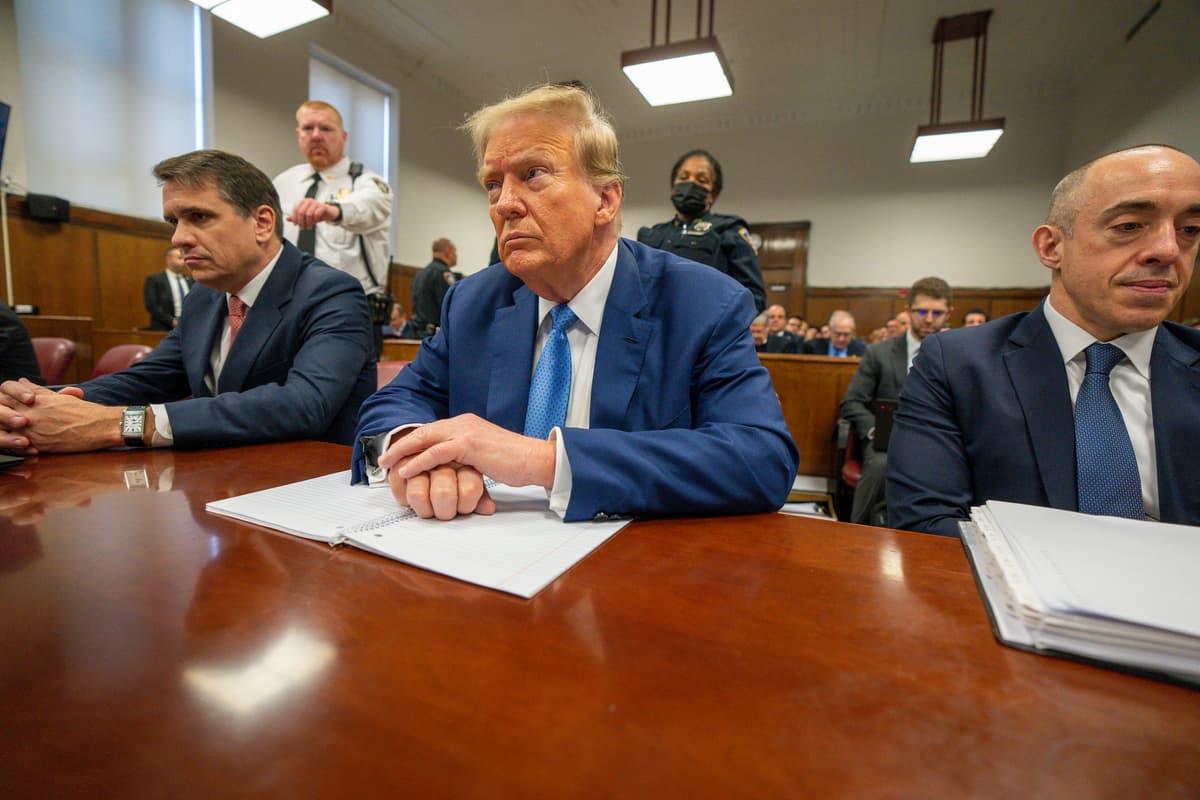
Meanwhile, Donald Trump’s shadow looms large. Though Trump may be ineligible to run in 2028, he remains a powerhouse within the party. DeSantis faces potential rivals like Vice President JD Vance and Secretary of State Marco Rubio in any future GOP primary.
DeSantis has clashed notably with Trump during their 2024 presidential nomination battle, yet after ending his campaign, he publicly endorsed Trump. That uneasy alliance is complicated by lingering White House tensions, including fallout involving Trump’s Chief of Staff Susie Wiles and DeSantis’ campaign team.
DeSantis on his narrow path: “Donald Trump has a long memory, and Susie Wiles has a longer one… that doesn’t bode well for Gov. DeSantis to be Donald Trump’s Republican successor.”
Beyond Redistricting: AI and Vaccine Policies Stir Debate
In addition to the map, DeSantis is pressing other controversial initiatives in the special legislative session starting this week. He intends to impose stricter regulations on artificial intelligence, including parental consent requirements for children interacting with chatbots and banning harmful AI content aimed at minors. These proposals have struggled to advance in previous legislative sessions.
DeSantis also wants to loosen vaccine mandates by adding a conscience-based exemption to Florida’s public school vaccine requirements, expanding beyond the existing religious exemption. This aligns him with the anti-vaccine wing of the Republican base, which has influenced Trump’s health policy direction.
Both AI and vaccine proposals have passed the Senate before but face pushback in the House, where Perez remains skeptical. Despite some perceived friction, DeSantis’ top backers frame recent legislative dynamics as a natural adjustment from his initial political dominance.
“He went from batting a thousand to maybe batting .600,” said Ballard, referencing DeSantis’ political performance. “That isn’t failure.”
What’s Next for DeSantis and Florida Politics?
The special legislative session marks an important test for DeSantis in his bid to demonstrate continued party leadership ahead of the 2026 midterms and beyond. How lawmakers react to his redistricting plan and policy proposals will shape both his political legacy in Florida and his national standing.
With the midterms approaching rapidly, the outcome could influence not just Florida’s political landscape but the GOP’s broader strategy to maintain power in a shifting electoral environment. As DeSantis doubles down on these battles, the nation watches whether he can reclaim his place as a dominant Republican figure or if internal GOP rivalries will continue to hold him back.