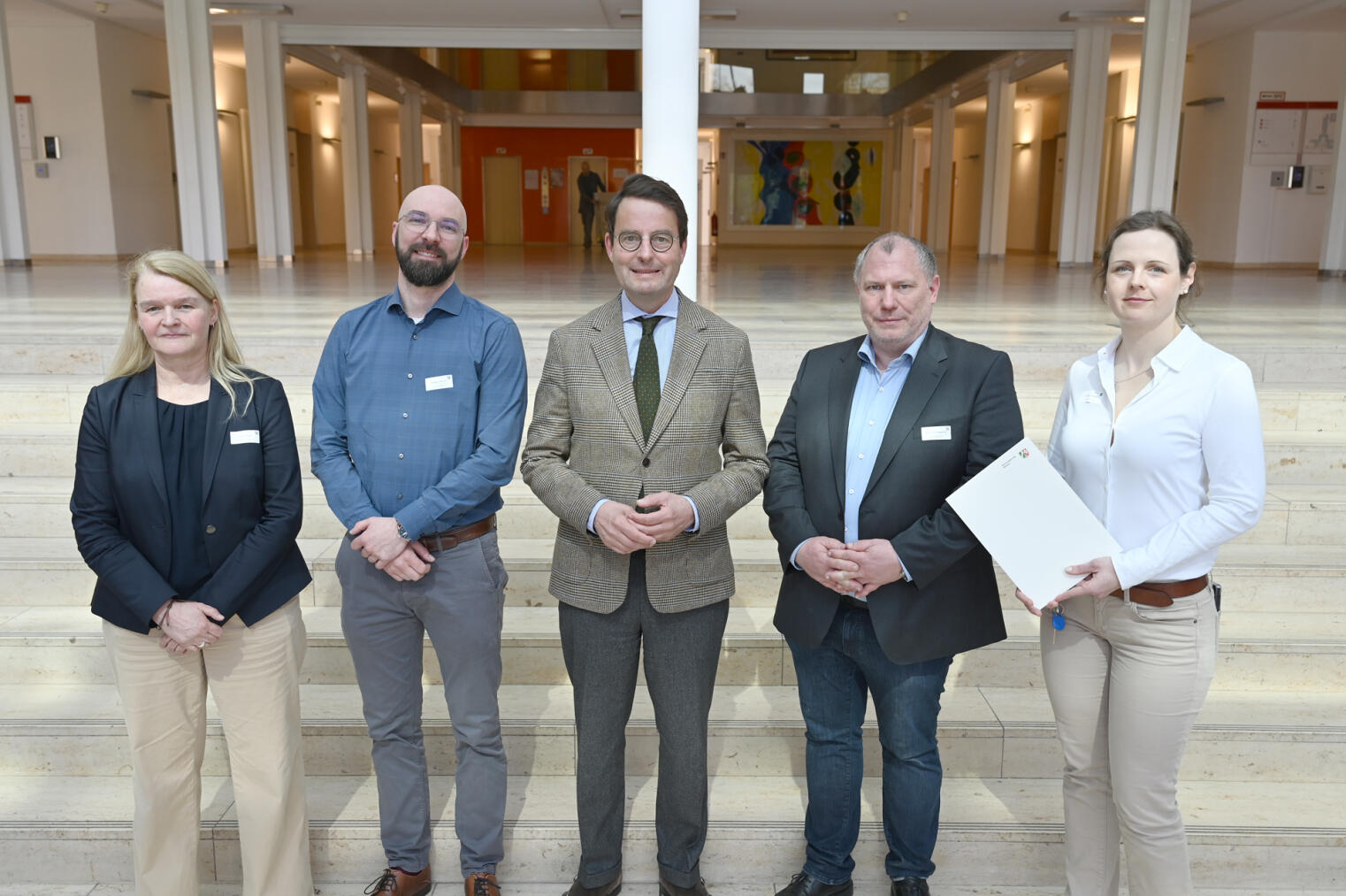
MEET Battery Research Center launches cutting-edge modular battery production line
The MEET Battery Research Center at the University of Münster has unveiled a groundbreaking modular pilot production line designed to accelerate development of diverse battery materials and cell designs. The project, named REFlexBatt 2.0, aims to revolutionize automated battery cell production with unprecedented flexibility and rapid adaptability.
Recently backed with a €5 million grant from the European Union and the State of North Rhine-Westphalia, the new pilot line was officially funded on April 9, 2026, signaling a critical leap forward in energy storage innovation. Industrial partner Safion GmbH joins the three-year effort to create a modular system capable of manufacturing battery cells from emerging chemistries including sodium and potassium-based materials.
Fast changeover and contamination prevention to turbocharge battery innovation
Dr. Markus Börner, head of the Cell System research division, stressed the pressing need for experimental flexibility as the battery market diversifies rapidly. “New material systems set different demands on production,” Börner said. The modular design enables quick swapping of contact components to switch between battery types and customizes process steps swiftly, drastically reducing innovation cycle times.
This agility prevents cross-contamination between production runs—a major hurdle in scaling novel battery chemistries. Fast-tracking pilot scale production is key to bridging the gap between lab research and industrial manufacturing, enabling next-gen batteries to reach practical use far sooner.
Strategic boost to sustainable, high-performance energy storage
The project aims to establish a scalable assembly method for multi-layer battery cells early in the development process, further speeding scale-up to mass production. This has significant implications for the global push toward sustainable energy solutions, as new chemistries promise safer, cheaper, and more resource-efficient alternatives to current lithium-ion systems.
Regional President Andreas Bothe highlighted the broader impact, saying:
“Battery research in Münster covers a broad spectrum, from basic research to technology transfer. This funding strengthens crucial infrastructure and reinforces resource-efficient supply chains in North Rhine-Westphalia and across the European Union.”
Why California and US clean tech sectors should watch closely
While this innovation originates in Germany, its ripple effects are important for California and US clean tech industries driving electrification and energy transition. Faster, more adaptable battery production lines promise to speed commercialization of advanced storage technologies essential for electric vehicles, grid reliability, and renewable integration.
California’s dominant role in EV adoption and green energy elevates the relevance of breakthroughs abroad that shorten development timelines for next-generation batteries. Additionally, global supply chains rely on innovations in modular battery manufacturing to diversify and stabilize raw material sourcing—a critical concern for California’s clean energy economy.
Next steps: Industry partnerships and pilot refinement underway
As the REFlexBatt 2.0 project moves into active development, expect ongoing updates on prototype performance and expanded industrial collaborations. The modular pilot line’s success could set a new standard for flexible battery production, fostering a rapid cycle of innovation that benefits U.S. markets hungry for efficient, high-performance energy storage solutions.
MEET Battery Research Center’s REFlexBatt 2.0 stands as a pivotal advancement in sustainable battery tech, promising urgent impact on the global race to next-gen energy solutions starting now.