U.S. crude oil prices surged past $100 per barrel on Sunday, October 15, 2023, amid escalating tensions in the ongoing conflict involving Iran. The persistent hostilities between the United States and Iran, particularly following a series of military strikes, have contributed to significant fluctuations in oil prices, despite efforts by the Trump administration and allied nations to stabilize the market.
As trading resumed at 18:00 ET, U.S. crude oil climbed more than 2%, reaching approximately $102 per barrel. The international benchmark, Brent crude, also saw an increase, rising to $106 per barrel. This upward trend comes on the heels of a unanimous decision by the International Energy Agency (IEA) to release a collective 400 million barrels of oil, marking the largest emergency release in history. Although this measure briefly lowered prices below $80 per barrel, the gains were short-lived.
Since the onset of the conflict, U.S. oil prices have risen nearly 50%, with costs increasing by approximately 75% this year alone. The surge in oil prices is mirrored by rising retail gasoline prices, which averaged around $3.70 per gallon on Sunday, up about 70 cents since the U.S. and Israel initiated extensive strikes on Iranian targets.
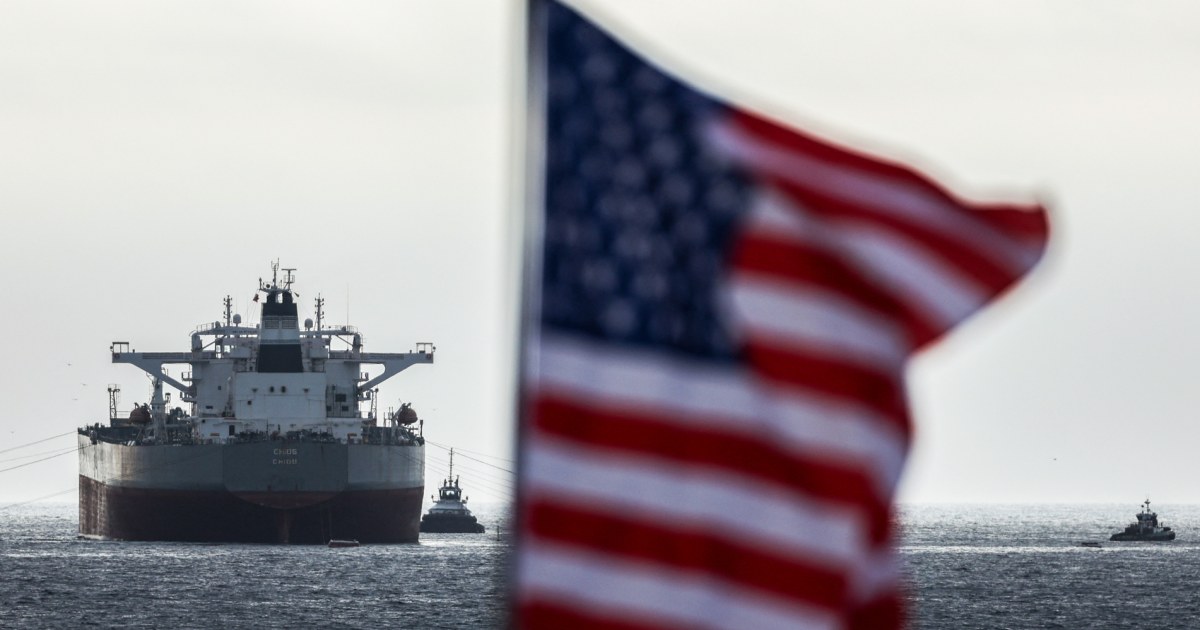
The situation has heightened concerns about the potential for a prolonged regional conflict, particularly as Iranian retaliation has targeted vessels and infrastructure critical to oil transportation. The Strait of Hormuz, a vital maritime passage for over 20% of the world’s oil supply, remains a focal point of concern, with closures anticipated for the foreseeable future.
On Friday, the U.S. intensified its military actions in the region by striking Kharg Island, a key export hub for Iranian oil, responsible for approximately 90% of the nation’s oil exports. Former President Donald Trump stated that the strikes did not impact the island’s oil infrastructure, suggesting further military actions could occur. In a phone interview with NBC News, Trump remarked, “We may hit [Kharg Island] a few more times, just for fun.” He also indicated that negotiations for a cease-fire with Iran were not yet on the table.
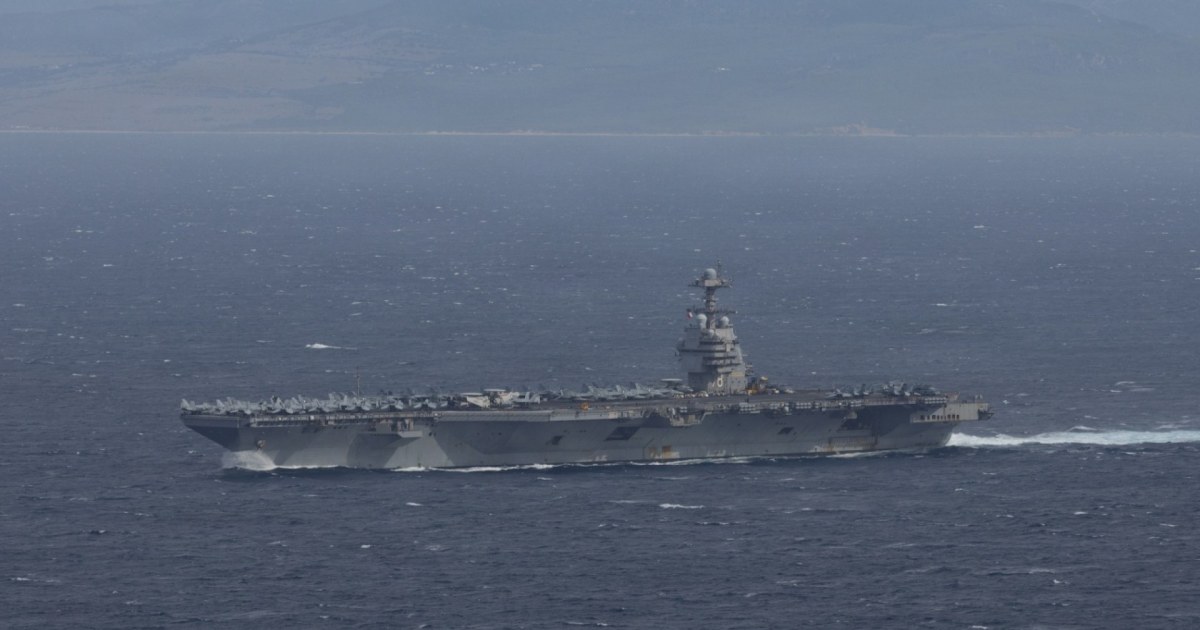
The White House has hinted at the possibility of deploying naval escorts to protect oil tankers traversing the region, although specific details have yet to be disclosed. Helima Croft, chief commodities strategist at RBC Capital Markets, emphasized the unprecedented nature of the situation, stating, “We have never had the most important waterway for energy effectively closed.” Croft added that restoring confidence to shipping companies hinges on reopening the Strait of Hormuz.
During an appearance on NBC’s “Meet the Press,” Chris Wright, U.S. Energy Secretary, acknowledged the precarious safety of the Strait of Hormuz for commercial shipping. “No, no, it is not safe,” he said. Wright further noted that ensuring safety for ships is a primary goal at the conclusion of the conflict. Until stability is achieved, he warned, “we’re going to see some elevated pricing.”
The crossing of the $100 threshold for West Texas Intermediate crude oil may represent just the beginning of a potential increase in prices. Industry veteran Andy Lipow cautioned that this psychological level could be a preliminary target as the conflict continues and oil production diminishes due to logistical challenges.
As the situation unfolds, the global oil market remains on edge, with stakeholders closely monitoring developments that could further impact pricing and supply chains. The ongoing conflict and its ramifications are expected to continue shaping the oil landscape in the near future.