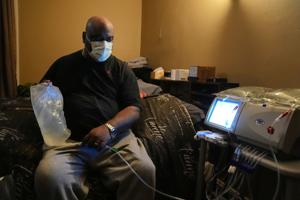
A family in the United States is grappling with the emotional challenges of an 87-year-old mother who has been diagnosed with pancreatic cancer. Despite undergoing radiation treatment, the mother is refusing to accept the reality of her condition, creating a complex situation for her family.
The diagnosis came as a shock, prompting her son-in-law and daughter to relocate to assist her during this difficult time. They spent four months at her side, providing support as she navigated her treatment and recovery. The couple aimed to help her regain the independence necessary for her to manage daily life.
Despite the family’s best efforts, the mother has remained in denial about her health status. This refusal to acknowledge her diagnosis has not only affected her emotional state but also strained the relationships within the family. The couple has expressed concern about her well-being, which is compounded by the complexities of managing such a severe illness.
The Emotional Toll of Denial
Denial can be a common response to serious health diagnoses, especially in older individuals. According to the American Cancer Society, many patients struggle to accept their condition, which can lead to significant emotional distress for both the patient and their loved ones.
In this case, the mother’s rejection of her diagnosis means that discussions about treatment options, palliative care, and end-of-life planning are more challenging. Her family, hoping to prepare for the future, finds themselves at a crossroads, needing to balance their desire to support her with the reality of her illness.
The daughter reflects on the experience, stating, “It’s heartbreaking to see someone you love refuse to accept what’s happening. We want to help her, but she needs to understand her situation first.” This sentiment captures the struggle many families face when dealing with a loved one’s health crisis.
Support Resources for Families
For families navigating similar challenges, numerous resources are available. Organizations such as the American Cancer Society provide educational materials and support groups for both patients and caregivers. These resources can help families communicate more effectively about difficult topics, fostering a better understanding of the situation at hand.
Additionally, mental health professionals can offer guidance on coping strategies for family members dealing with a loved one’s denial. Engaging with therapists who specialize in grief and illness can provide essential tools for managing emotional stress.
As this family continues to support their mother, they remain hopeful that she may eventually come to terms with her diagnosis. In the meantime, they strive to create a nurturing environment, emphasizing love and understanding during a profoundly difficult time.
The situation underscores the importance of communication, compassion, and professional support in navigating the complexities of cancer care and the emotional landscape that accompanies it.