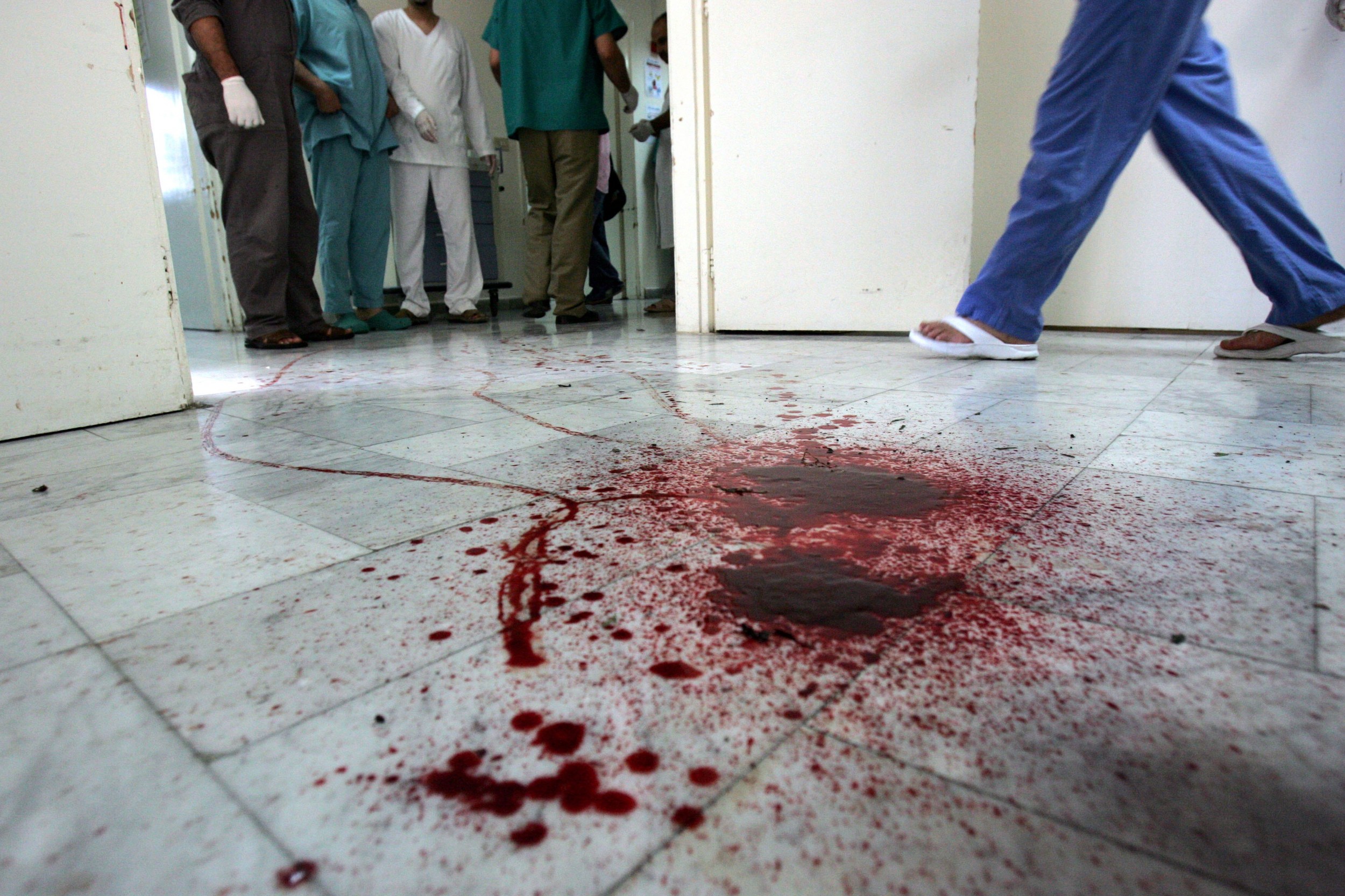
Clergy members across Greater Cleveland are calling for a pause on the Cleveland Clinic Foundation’s proposal to establish a new Level I trauma center in the city. In an open letter, Dr. Vincent E. Stokes II and Rev. Jimmy Gates emphasize the importance of trauma care as a coordinated public health system that serves vulnerable populations.
For over three decades, MetroHealth Medical Center has provided essential trauma care in Cleveland. This facility has become a trusted expert in trauma services, offering critical burn care, recovery programs, and preventive initiatives that save lives daily. As the city faces high rates of violence, accidents, and health inequities, the clergy argue that trauma care is not merely a hospital service; it is a matter of life and death.
The clergy are not opposed to innovation or institutional growth but advocate for responsible planning. They urge the three major health systems in the area—Cleveland Clinic, MetroHealth, and University Hospitals—to engage in collaborative trauma strategy planning prior to moving forward with the new center. According to the letter, trauma systems function best when unified, data-driven, and cooperative.
Concerns have been raised about reports that MetroHealth trauma staff have received recruitment calls related to the new trauma center initiative. The clergy assert that trauma teams are not interchangeable and that destabilizing established teams could have immediate negative consequences for patient care.
Moreover, the clergy highlight the potential risks to residency programs in Emergency Medicine, which rely on shared arrangements between institutions. They stress that weakening these partnerships could harm the clinical pipeline and compromise workforce stability across the region.
The letter references previous discussions on trauma center expansion in Cleveland, particularly the warnings from Jeffrey Claridge, a former MetroHealth trauma leader currently with the Cleveland Clinic. His insights emphasized that independent trauma center growth without regional coordination could lead to a “costly collision.” Fragmentation in trauma care, he argued, dilutes patient volume, erodes expertise, and undermines system integrity.
As faith leaders, Stokes and Gates approach trauma care from a perspective of human dignity. They argue that every policy decision directly impacts individuals in crisis—a mother, a teenager, a worker, or a neighbor. The clergy worry that when systems are destabilized, the most vulnerable members of the community bear the brunt of the consequences.
In their appeal, they clarify that a pause in the implementation of the new trauma center is not an obstruction but a prudent step. It provides an opportunity for the major health systems to come together, share data, and protect workforce stability. The goal is to ensure that any changes enhance rather than fragment the existing trauma network that Cleveland relies on.
Stokes and Gates conclude by urging the Cleveland Clinic to temporarily halt its plans and engage in coordinated and transparent planning with MetroHealth and University Hospitals. They emphasize that the overall health and well-being of Cleveland should guide this decision.
When institutions collaborate with humility and good faith, communities flourish. In contrast, competition in critical areas such as trauma care can lead to increased risks. The clergy advocate for a coordinated approach to protect the trauma system that saves lives and prioritize the health of the entire community.
Dr. Vincent E. Stokes II serves as Pastor of New Sardis Primitive Baptist Church and is a civic leader focused on public health equity. Rev. Jimmy Gates is Pastor of Zion Hill Baptist Church, dedicated to strengthening families and community partnerships across the region.