BEIJING — The notion of a collaborative global leadership model between the United States and China, often referred to as the “G2,” faces significant skepticism from Chinese officials. This skepticism comes as President Donald Trump promotes the idea, suggesting a partnership between the world’s two largest economies could shape international affairs.
Introduced in 2005 by economist C. Fred Bergsten, the “G2” concept emphasizes the necessity of dialogue between the U.S. and China. Initially, some policymakers in Washington welcomed the idea, but it has since lost traction amid escalating tensions, particularly during Trump’s administration. Recently, Trump has revived the term, using it to describe his meetings with Chinese President Xi Jinping. He plans to visit China starting March 31, 2024, which will mark another opportunity for dialogue between the leaders.
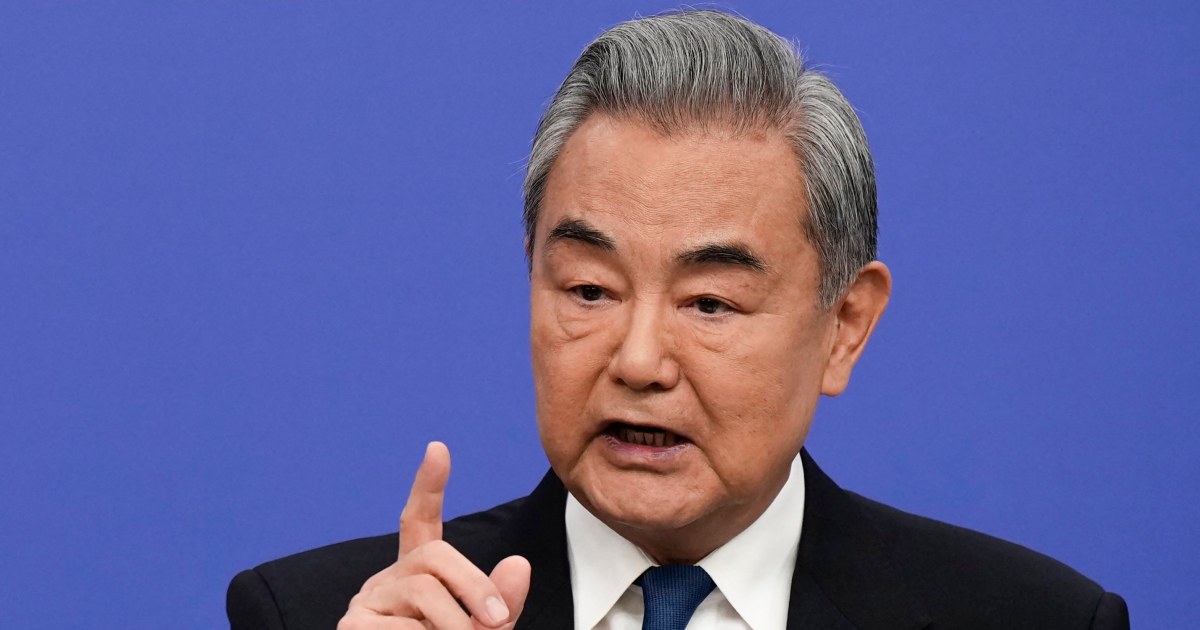
China’s response to the “G2” concept reflects a desire for broader representation in global governance. Chinese Foreign Minister Wang Yi addressed this issue at a press conference on the sidelines of China’s annual legislative session. He stated, “There is no doubt that China and the U.S. have a significant impact on the world. But we should not forget there are more than 190 countries on our planet.” Wang emphasized that international cooperation should involve all nations, not just the major powers.
China’s hesitation towards the “G2” underscores its foreign policy strategy, which seeks to reject the notion that powerful nations should dominate the interests of smaller ones. Wang noted that China does not aspire to hegemony and aims to foster a “multipolar world” where all countries have equal standing. He remarked, “Looking back in history, great power rivalry and bloc confrontation have invariably inflicted disaster and pain on humanity.”
The Chinese government is wary of the implications of a “G2” framework, particularly regarding its relationship with U.S. allies. Concerns have emerged that Washington and Beijing could engage in agreements that neglect the interests of other nations. Wang’s remarks signal a commitment to maintaining cooperative relations while promoting a broader vision of global governance.
U.S.-China relations have faced numerous challenges, including tariffs imposed by Trump. Despite these tensions, Trump has characterized his relationship with Xi as positive, suggesting that high-level interactions are beneficial for both countries. Wang echoed this sentiment, stating, “It is heartening to see that the presidents of the two countries have led by example, by maintaining good interactions at the top level.”
Looking ahead, Trump and Xi are expected to meet up to four times in 2024, including Trump’s upcoming trip to China. Following this visit, Xi may reciprocate with a trip to the U.S. and could attend the G20 summit scheduled for December in Miami. Wang described 2026 as a “big year” for U.S.-China relations, emphasizing the need for both sides to prepare and create a conducive environment for cooperation.
As these diplomatic discussions unfold, regional tensions continue to pose challenges. Wang highlighted ongoing military actions in Iran, an ally of China, urging for a cessation of hostilities and a return to dialogue. He stated, “Seeing the Middle East engulfed in flames, I want to say that this is a war that should not have happened.” Wang criticized the use of force and the violation of international law, advocating for a world governed by cooperation rather than dominance.
China’s stance on the “G2” concept reflects its broader ambitions and the complexities of its relationship with the United States and other nations. As global dynamics evolve, the future of U.S.-China relations will likely continue to be a pivotal aspect of international diplomacy.