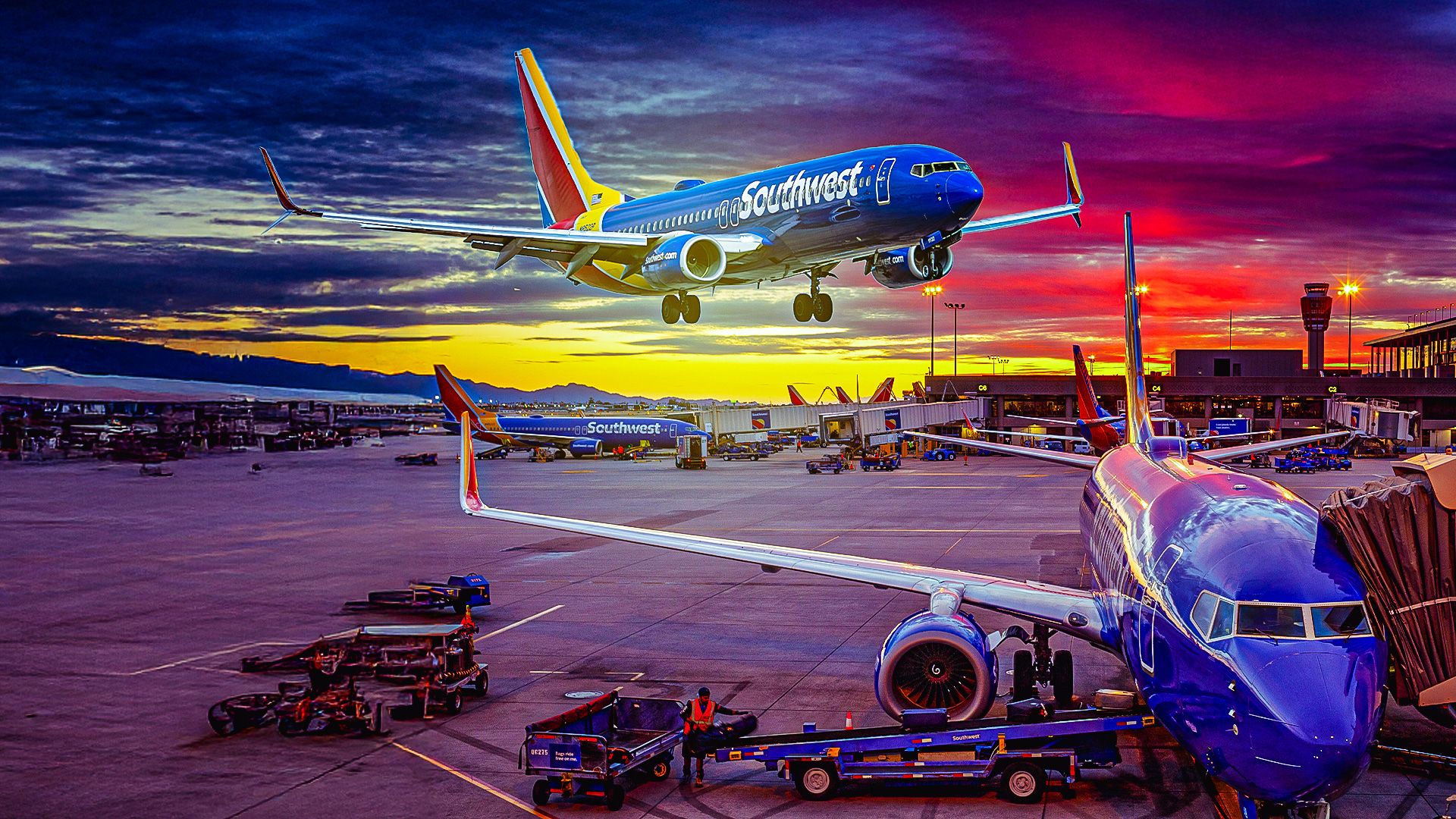
Southwest Airlines is initiating a significant operational change by retiring a portion of its Boeing 737 Next Generation (NG) fleet. This move comes as the Dallas-based airline responds to pressure from activist investor Elliott Management, which has gained influence over the airline’s strategic direction. The decision reflects a broader shift towards a more traditional low-cost carrier model, focusing on cash flow and asset management.
Historically, Southwest Airlines has set itself apart with a customer-friendly approach, offering perks such as free checked bags and no expiration on flight credits. However, recent pressures from Elliott Management have prompted a reevaluation of this strategy. The hedge fund, which now holds six seats on Southwest’s board, has argued that the airline’s operational margins were lagging behind competitors, urging a transition to a model that maximizes revenue per passenger.
In a recent statement, CEO Bob Jordan informed investors of plans to adjust the airline’s asset management strategy. Southwest is looking to sell off older Boeing 737-800 jets, alongside engaging in sale-leaseback agreements for newer aircraft, including the Boeing 737 MAX. This approach enables the airline to convert fixed assets into immediate cash flow, while still retaining operational capacity.
Strategic Asset Management
The sale-leaseback model allows Southwest to generate cash without significantly reducing its operational capabilities. By selling older aircraft and leasing them back, the airline can maintain flexibility during peak travel seasons while also improving its cash reserves for future investments. This tactic is a common practice within the private equity sector, although it has been less frequently utilized by established airlines.
The demand for second-hand aircraft is currently strong due to supply chain disruptions affecting new aircraft deliveries. As a result, Southwest is positioned to capitalize on favorable market conditions, potentially securing high sale prices for its older jets. The airline’s fleet currently includes 309 Boeing 737-700, 197 Boeing 737-800, and 304 Boeing 737 MAX 8, according to data from ch-aviation.
This financial maneuver aligns with broader industry trends among low-cost carriers, which are increasingly turning to lessors to manage capacity effectively. As demand for leisure travel continues to fluctuate, having the capability to ramp up operations without incurring losses on underutilized aircraft is becoming essential.
Potential Risks and Long-Term Implications
While the decision to sell and lease back aircraft offers immediate benefits, it is not without drawbacks. The recurring lease payments could increase long-term operational costs, affecting the airline’s profitability per available seat mile. Analysts caution that reducing the ownership of aircraft may expose Southwest to lessor terms and conditions, limiting its financial flexibility in the long run.
Moreover, this strategy may not adequately address underlying operational inefficiencies. Some experts have described it as a form of financial engineering that could lead to a weakened balance sheet if not managed carefully. With persistent delivery delays from manufacturers like Boeing, there is a risk that Southwest’s fleet could face capacity challenges, impacting its ability to meet rising passenger demand.
Elliott Management’s involvement has been pivotal in shaping this strategic pivot. Following a high-profile campaign in 2024, the hedge fund successfully advocated for over $300 million in cost reductions and a targeted 15% return on invested capital. As Southwest moves forward with the sale of excess aircraft and the pursuit of sale-leasebacks, it is clear that Elliott’s influence will continue to play a crucial role in the airline’s evolution.
This transition marks a new chapter for Southwest Airlines, as it seeks to balance immediate financial needs with long-term strategic goals. While the current approach may yield short-term gains, the airline must remain vigilant to ensure sustainable growth in an increasingly competitive market.