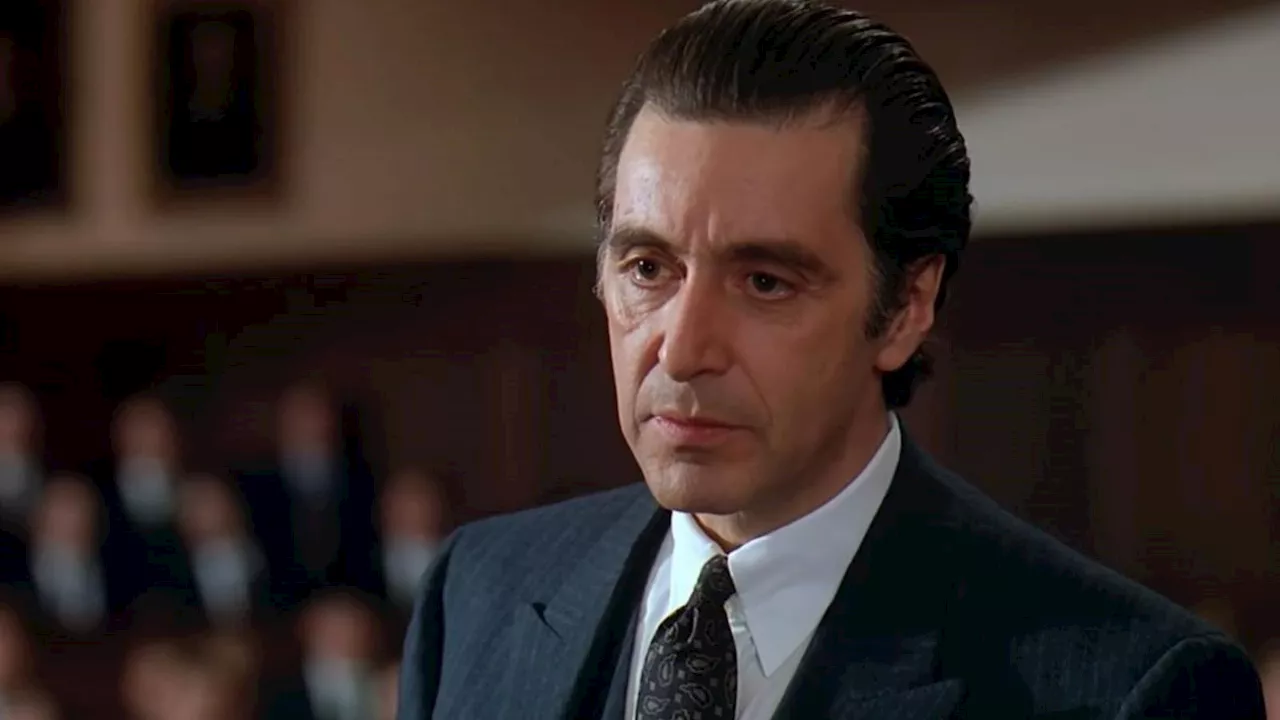
Throughout its history, the Academy Awards have celebrated exceptional talent in the film industry. Yet, there are notable instances where winners received Oscars for performances or films that have since been debated. This article explores eight such cases, highlighting the performances that, while deserving of recognition, were overshadowed by more iconic roles or films released in the same year.
Kevin Costner: A Win for the Wrong Film
Kevin Costner won two Oscars in 1991 for his directorial debut, Dances With Wolves, claiming both Best Picture and Best Directing. While the film is a celebrated Western, its accolades are often overshadowed by the release of Martin Scorsese’s Goodfellas in the same year. Critics argue that the latter stands as one of the greatest films in cinema history, making Costner’s wins feel somewhat misplaced, considering the competition.
Ennio Morricone: Legacy Win for a Lackluster Score
The late Ennio Morricone, known for his masterful scores, received his only competitive Oscar for The Hateful Eight in 2016. Despite Morricone’s brilliance, many believe his win was more a recognition of his lifetime achievements rather than the film’s score itself. Critics have pointed out that while The Hateful Eight features an unforgettable theme, it does not compare to Morricone’s earlier works, which many feel were far more deserving of an Oscar.
Mahershala Ali: A Controversial Supporting Win
In 2019, Mahershala Ali won the Oscar for Best Supporting Actor for his role in Green Book. While Ali’s performance was commendable, the film itself has faced significant backlash and criticism. Many argue that Ali’s role was more significant than that of a supporting actor, leading to claims of category fraud. Furthermore, several other performances that year, such as Sam Elliott in A Star Is Born and Richard E. Grant in Can You Ever Forgive Me?, were seen as more deserving.
Guillermo del Toro: A Win for an Unconventional Film
In 2018, Guillermo del Toro won the Oscars for Best Picture and Best Directing for The Shape of Water. While the film is unique and visually captivating, many critics believe it did not represent the pinnacle of filmmaking that year, especially with Jordan Peele’s Get Out also in contention. Despite the accolades, fans of del Toro contend that his earlier work, Pan’s Labyrinth, would have been a more fitting choice for recognition.
Rami Malek: A Polarizing Portrayal
Rami Malek took home the Oscar for Best Actor in 2019 for his role in Bohemian Rhapsody. Although his portrayal of Freddie Mercury garnered acclaim, many critics felt that Malek’s performance leaned more toward imitation than a true embodiment of the iconic singer. This win has since become one of the more divisive decisions in recent Oscar history, with many arguing that his performance did not merit the prestigious award when compared to others that year.
Danny Boyle: A Win for a Flawed Narrative
Danny Boyle received the Oscar for Best Directing in 2009 for Slumdog Millionaire. While the film won eight Oscars in total, some critics contend that its narrative suffers from issues of representation and cultural sensitivity. The film’s success has often been described as an example of “poverty porn,” leading to questions regarding the validity of its accolades amidst a poorly received lineup.
Al Pacino: A Legacy Win for a Memorable Performance
In 1993, Al Pacino won the Oscar for Best Actor for his role in Scent of a Woman. While his performance was undeniably powerful, many believed that Denzel Washington‘s portrayal in Malcolm X was the standout of the year. Pacino’s win is often cited as a classic example of the Academy awarding an actor for their past contributions rather than the performance being recognized.
Jamie Lee Curtis: A Surprising Oscar Victory
Most recently, in 2023, Jamie Lee Curtis won the Oscar for Best Supporting Actress for her role in Everything Everywhere All At Once. While her performance was charming, many believed that fellow cast member Stephanie Hsu was the one deserving of the accolade. Curtis’s win has sparked discussions about the Academy’s tendency to recognize long-standing careers over individual performances.
The Academy Awards continue to recognize outstanding talent in the film industry, yet the debate surrounding certain wins highlights the complexities of the voting process. While many winners are deserving in their own right, the competitive nature of the Oscars often leads to contentious outcomes, prompting discussions about merit and legacy in Hollywood.