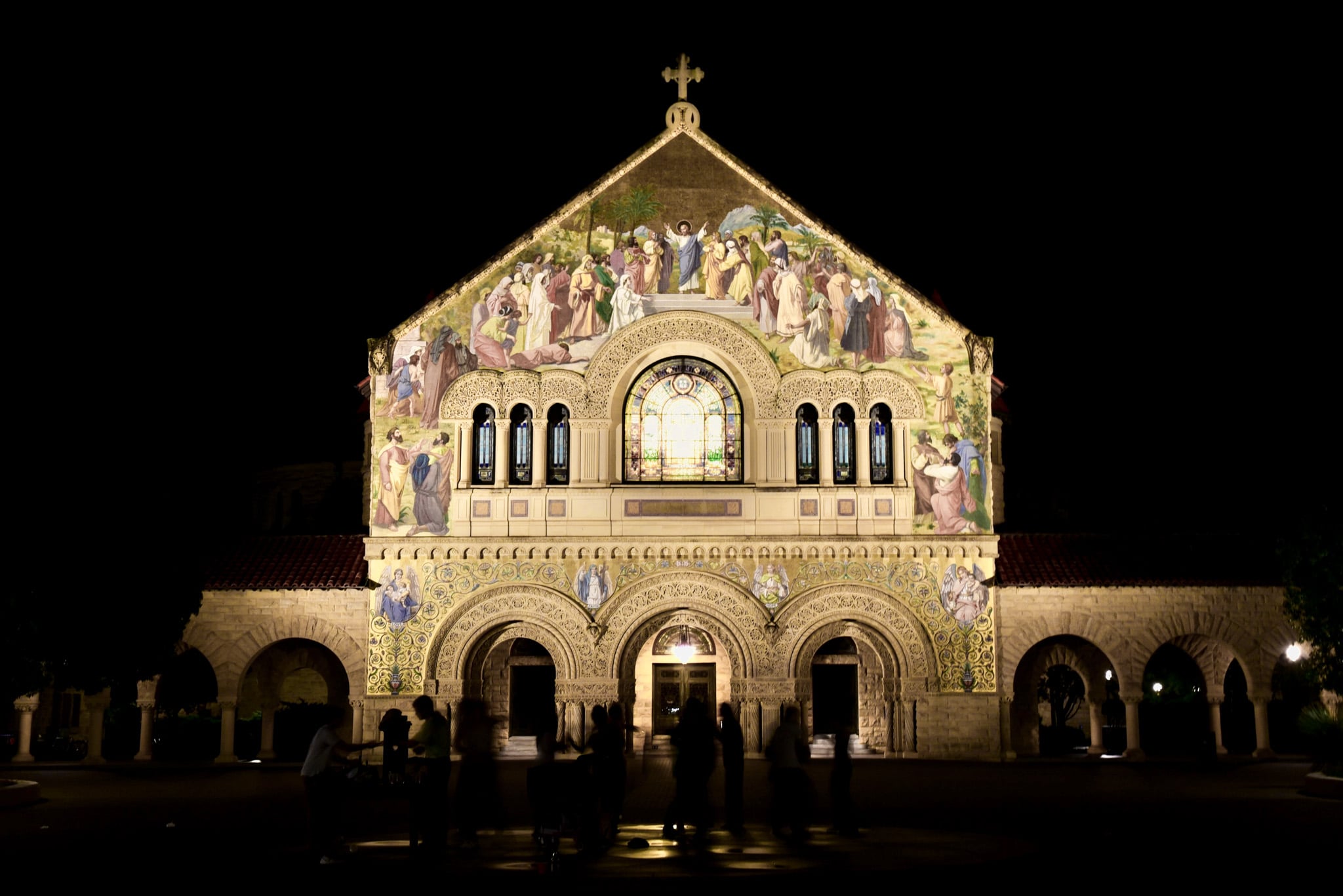
This Ash Wednesday, many Christians are called to reflect on mortality and compassion as they mark the beginning of the Lenten season. For numerous American parishes, Ash Wednesday sees one of the highest Mass attendances of the year, frequently surpassing even that of Easter and Christmas. This day, though not a holy day of obligation, serves as a solemn reminder of humanity’s finite nature.
During the service, congregants receive ashes on their foreheads accompanied by the words, “Remember that you are dust, and to dust you shall return” (Genesis 3:19). This observance stands in stark contrast to the more celebratory tones of holidays like Christmas, which has become increasingly commercialized, with only 46% of Americans celebrating it as a purely religious occasion.
Silicon Valley’s Complex Relationship with Mortality
The significance of Ash Wednesday feels particularly pronounced in Silicon Valley, where the culture is often at odds with the realities of life and death. Over the past two decades, the tech hub has invested over $5 billion into the longevity industry, which aims to combat age-related decline. This pursuit echoes a modern-day Dorian Gray narrative, where the quest for eternal youth often overlooks the broader implications of such desires.
Among the notable proponents of this movement is Bryan Johnson, a former tech CEO and founder of Braintree. He has made headlines with his philosophy, termed “Don’t die,” positing that existence itself is humanity’s ultimate virtue. This perspective shifts the focus from how to live to how long one can extend life.
Yet, just down the road in Palo Alto, the realities of youth struggle starkly contrast this idealization of life. The city has faced a troubling trend, with its teen suicide rate more than four times higher than the national average, largely attributed to intense academic pressure. While improvements have been noted through community efforts, recent tragedies underscore the ongoing crisis, prompting discussions about the need for comprehensive mental health support.
Embracing Mortality Through Compassion
Ash Wednesday invites a different approach to mortality. It encourages believers to confront death not as a problem to be solved or a challenge to evade but as a reality to be accepted with both sorrow and hope. In Catholic teachings, mortality does not lessen human dignity; rather, it highlights the profound nature of existence. Even God took on mortality, illustrating that death can be a point of connection between human suffering and divine presence.
As the Lenten season unfolds, Catholics are called to engage in practices that challenge societal norms, particularly the discomfort associated with mortality. The traditional acts of penance—prayer, fasting, and almsgiving—may often be interpreted through a lens of optimization. For instance, giving up sweets may seem like a personal health decision, but the true essence of Lent lies in fostering solidarity and compassion toward others.
According to Pope Benedict XVI, “By freely embracing an act of self-denial for the sake of another, we make a statement that our brother or sister in need is not a stranger.” This perspective emphasizes that fasting during Lent is not merely about personal gain but about connecting with those who suffer through no fault of their own.
For some, including students navigating the pressures of academia, embracing discomfort has become a transformative experience. Instead of viewing challenges such as academic stress as obstacles to overcome, they can become opportunities for connection. Acts of kindness, like taking time to support a friend in need, cultivate genuine compassion, which is often missing in a culture focused on optimization.
This shift in perspective aligns with the core message of Lent: focusing on true human flourishing rather than mere performance metrics like grades or internships. Cultivating virtues such as patience, humility, and charity requires a deliberate slowing down, allowing individuals to listen and prioritize the struggles of others.
In an environment characterized by a “fail fast” mentality, where mistakes are often seen as stepping stones to success, Lent prompts a different response. It encourages individuals to mourn their failures authentically, providing space for grief without the expectation of immediate resolution. Sometimes, the most appropriate response is not to move on quickly but to confront the harm caused and allow that grief to inspire transformation.
Ultimately, Ash Wednesday and the Lenten season challenge everyone, regardless of faith, to reflect on their mortality and the areas where they have fallen short. By embracing these uncomfortable truths, individuals may discover that it is only through acknowledging their limitations that they can begin to see what truly matters in life. As the scripture reminds us, “Remember that you are dust, and to dust you shall return.” This acknowledgment opens pathways to deeper compassion and connection with others, fostering a community bound by shared human experiences.