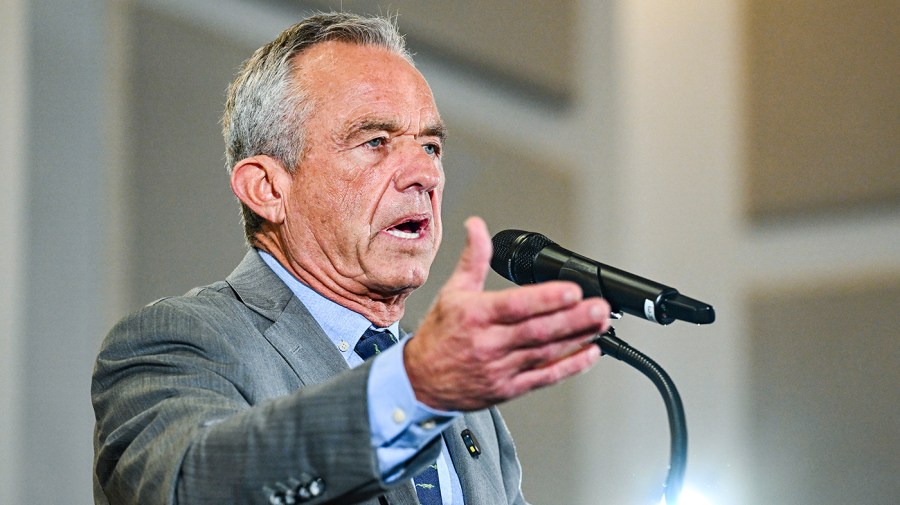
In a recent interview with *60 Minutes*, Robert F. Kennedy Jr., the United States Health and Human Services Secretary, criticized existing exemptions that allow food manufacturers to self-regulate the safety of ingredients used in ultra-processed foods. Kennedy’s remarks highlight significant concerns about public health and safety in the food industry, particularly regarding the impact of these foods on consumers.
Kennedy emphasized that current regulations permit the food industry to determine the safety of many ingredients without substantial oversight. This, he argues, poses a risk to consumers who may unknowingly ingest harmful substances. The Secretary’s focus on the issue comes as part of a broader initiative to improve food safety standards across the country.
“The loopholes that allow companies to determine what is safe are unacceptable,” Kennedy stated during the interview. He expressed urgency in reforming these regulations to ensure that all food products meet rigorous health standards.
The issue of ultra-processed foods has become increasingly relevant in discussions surrounding public health. These foods, which often contain additives, preservatives, and artificial ingredients, have been linked to various health problems, including obesity and diabetes. Kennedy’s advocacy aims to raise awareness about the potential dangers associated with these products.
The Food and Drug Administration (FDA) has faced scrutiny for its role in regulating food safety. Critics argue that the agency has not done enough to protect consumers from the risks posed by ultra-processed foods. Kennedy’s remarks may push the FDA to reconsider its policies and the extent of its oversight in this area.
In his interview, Kennedy also highlighted the importance of educating the public about food choices. He believes that consumers deserve transparency regarding the ingredients in their food. By targeting the regulatory loopholes, Kennedy aims to empower individuals to make informed decisions about their diets.
This initiative is part of a larger movement advocating for healthier food systems and increased accountability within the food industry. As Kennedy continues to address these issues, the conversation around food safety and health is likely to gain momentum in the coming months.
The impact of ultra-processed foods on health is a growing concern not just in the United States but globally. As the public becomes more aware of the potential risks associated with these products, there may be increased demand for regulatory changes that prioritize consumer safety. Kennedy’s focus on this issue could be a catalyst for meaningful reform in how food safety is managed in the industry.