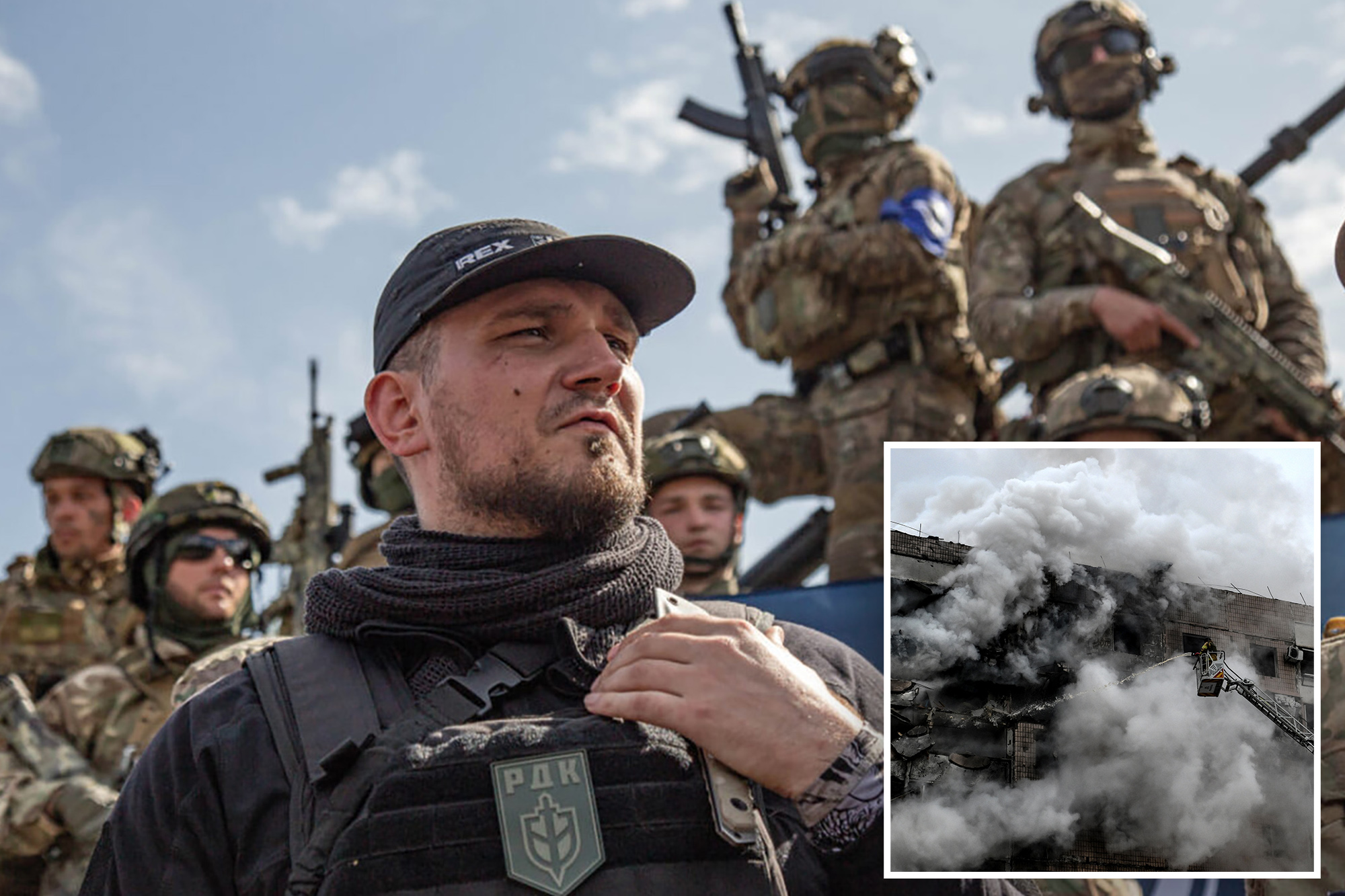
A Ukrainian drone strike targeted a Russian Black Sea port on February 18, 2024, igniting a fire and injuring at least two individuals. This incident occurred just days before a new round of U.S.-brokered peace talks intended to address the ongoing conflict between the two nations. The attack specifically struck the port of Taman in the Krasnodar region, resulting in damage to an oil storage tank, warehouse, and terminal facilities, as reported by regional Governor Veniamin Kondratyev.
In a related development, falling debris from Russian drone operations caused damage to civilian infrastructure in Ukraine’s Odesa region, leading to disruptions in power and water supplies. Kondratyev noted that over 100 personnel were engaged in firefighting efforts at the port, as indicated in a report from Reuters. Strikes also affected the resort city of Sochi and the village of Yurovka, though damage in those areas was less severe.
The Ukrainian government has been conducting long-range drone strikes on Russian energy facilities to undermine Moscow’s oil export revenues, which are crucial for sustaining its military operations. In contrast, Russia has intensified its assaults on Ukraine, aiming to cripple the country’s power grid and deprive civilians of essential services during winter. Ukrainian officials have described these actions as an attempt to “weaponize winter.”
Upcoming Peace Talks
The recent strikes come just prior to another U.S.-facilitated negotiation session between Russia and Ukraine scheduled for February 20-21, 2024, in Geneva. This meeting marks the first such discussions to take place on European soil since the start of the conflict and is significant as it approaches the fourth anniversary of Russia’s full-scale invasion on February 22, 2024. While both sides have expressed pessimism regarding the potential for a comprehensive ceasefire, some progress has been noted on various other issues.
During the Munich Security Conference on February 17, 2024, Ukrainian President Volodymyr Zelenskyy highlighted lingering uncertainties surrounding future security guarantees for Ukraine. He raised concerns regarding the feasibility of a proposed free trade zone suggested by the U.S. in the Donbas region, which Russia insists must be ceded by Ukraine for peace. Zelenskyy emphasized that while the U.S. desires a swift resolution, Ukraine seeks firm security guarantees to be established prior to any agreements on peace.
U.S. Secretary of State Marco Rubio met with Zelenskyy at the conference, discussing matters related to Ukraine’s security alongside the deepening of defense and economic partnerships. Rubio stated on social media that President Trump is committed to finding a solution to end the conflict permanently.
Senator Jeanne Shaheen, a prominent member of the U.S. Senate Foreign Relations Committee, echoed Zelenskyy’s sentiments. She warned that without substantial security guarantees in any eventual peace agreement, the conflict could re-escalate, arguing that Russia is not only focused on Ukraine but has ambitions that extend beyond.
European Union foreign policy chief Kaja Kallas stated that Russia aims to achieve diplomatically what it has failed to accomplish on the battlefield. She remarked that key Russian demands, including the lifting of sanctions and the unfreezing of assets, are contingent decisions for Europe. Kallas emphasized that if a sustainable peace is to be achieved, concessions must also be made by Russia.
Past efforts by the U.S. to mediate the conflict, including discussions held in Abu Dhabi, have not resolved significant issues, particularly regarding the future of Ukraine’s Donbas region, which remains largely under Russian control. As the situation evolves, both nations appear to brace for another challenging round of negotiations.