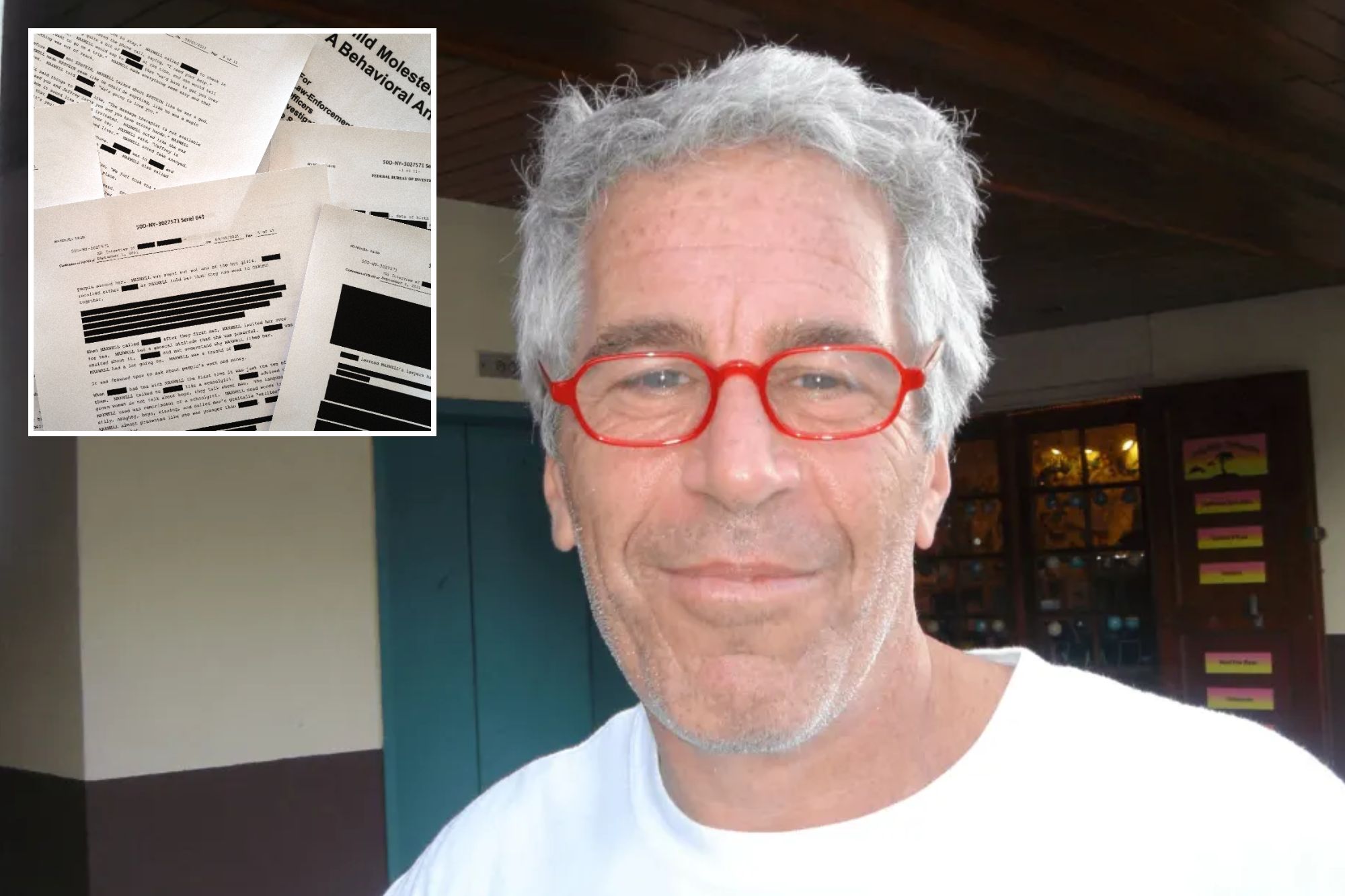
The U.S. Department of Justice (DOJ) has provided Congress with a six-page letter addressing the redactions made in the recently released files related to Jeffrey Epstein. This correspondence includes a list of individuals described as “government officials and politically exposed persons” mentioned within the documents. The letter, directed to leaders of the Senate and House Judiciary Committees, clarifies that the names appear in a “wide variety of contexts,” which encompass direct communications with Epstein or Ghislaine Maxwell as well as references in external documents, such as media reports.
Despite this explanation, the lack of detailed context surrounding the names has sparked criticism from several lawmakers. They argue that the DOJ’s approach could lead to misunderstandings by grouping together individuals with vastly different connections to Epstein. Representative Marjorie Taylor Greene highlighted the inclusion of names that she believes are irrelevant to the case, citing the late singer Janis Joplin as an example. Joplin, who passed away in 1970, was named in the same list as individuals with direct ties to Epstein, raising concerns about the implications of such associations.
In her remarks on social media platform X, Greene expressed frustration at the DOJ’s handling of the names, particularly noting that her own mention in the files is linked to unrelated media coverage. She stated, “My mentions in the files are basically stories unrelated to Epstein like me criticizing Covid mask rules and covid vaccine passports.” Greene, who was elected to Congress in 2020, argued that any references to her in the Epstein files stem from topics disconnected from the allegations surrounding Epstein.
Echoing Greene’s concerns, California Representative Ro Khanna criticized the DOJ’s lack of clarity. In a post on X, he described the inclusion of Joplin alongside convicted sex offender Larry Nassar as “absurd,” given the stark differences in their cases. Khanna emphasized the need for the DOJ to differentiate between those implicated in wrongdoing and those merely mentioned in passing.
The DOJ’s letter aims to explain the rationale behind its redactions while providing transparency regarding the individuals connected to Epstein. However, the response from lawmakers underscores a broader concern about the implications of releasing such a list without comprehensive context. The potential for misinterpretation remains a significant issue as discussions surrounding Epstein’s legacy and the individuals involved continue to unfold.
As the scrutiny on the DOJ’s actions persists, the implications of this correspondence may extend beyond the immediate concerns of the Judiciary Committees. The handling of the Epstein files reflects ongoing challenges in balancing transparency with the need to protect the reputations of individuals who may be mentioned without any direct involvement in criminal activities.