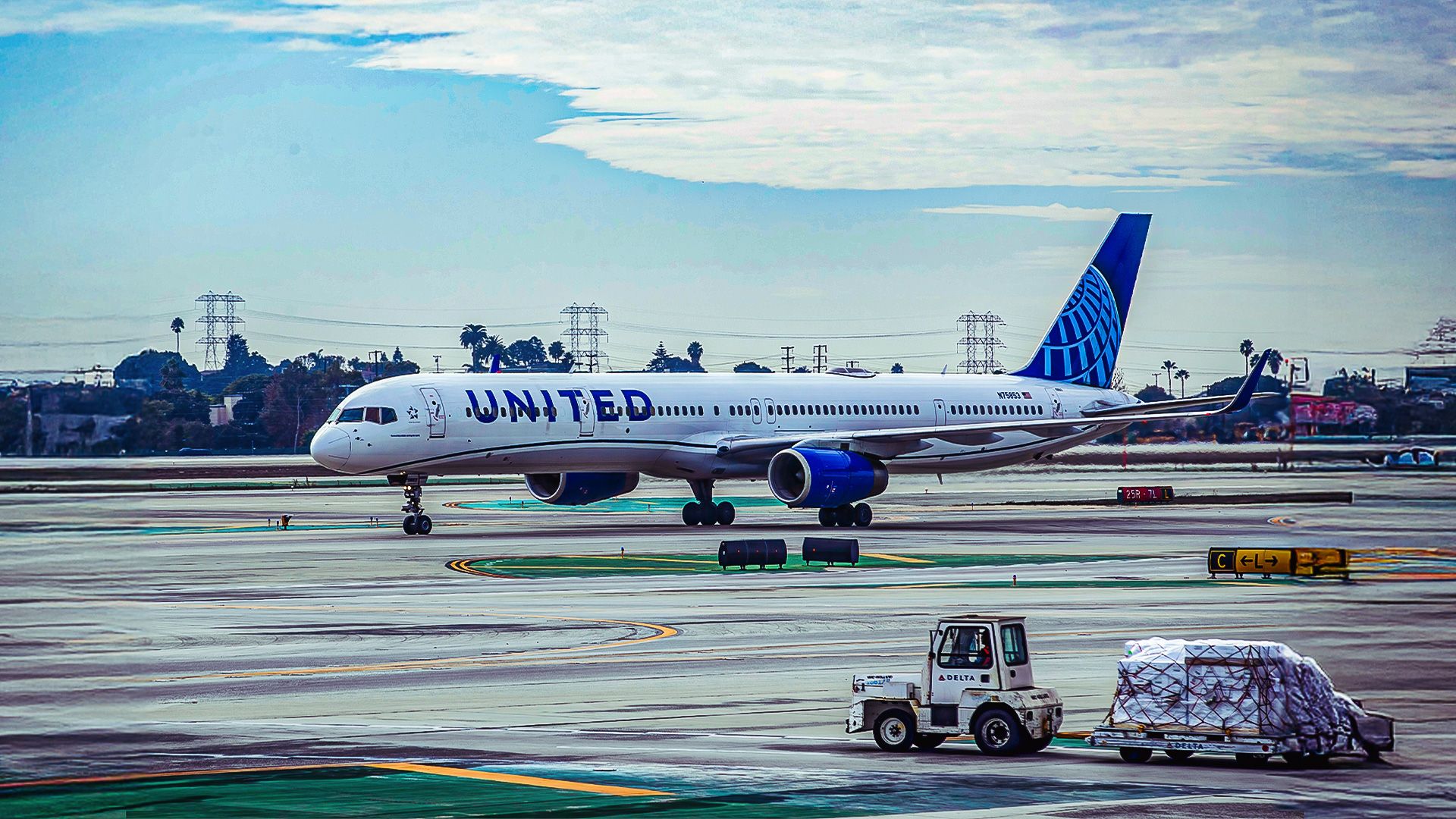
United Airlines flight attendants have unanimously rejected an offer that would have positioned them among the highest-paid in the industry. The Association of Flight Attendants (AFA-CWA) insists on a pay structure that compensates for all working hours, not just the time when the aircraft is in motion. This ongoing dispute highlights significant frustrations among the approximately 30,000 flight attendants regarding ground pay, which remains a contentious issue across the airline sector.
The current compensation model stipulates that flight attendants are paid only once the aircraft doors are closed, which excludes essential pre-flight duties like check-ins and briefings. This has caused concern among crew members, as they are not compensated for delays that can occur before takeoff. As reported by Gary Leff at View From The Wing, United flight attendants have not seen a substantial pay increase in the last five years due to their consistent rejection of negotiated contracts.
Ground Pay Remains a Key Issue
The union’s demand for full remuneration for all working hours has been met with resistance from United Airlines. Recently, the airline proposed a compromise, introducing a concept known as “sit pay,” which would compensate attendants for their time between flights. This proposal, however, includes conditions related to a Preferential Bidding System (PBS)—a system already utilized by major U.S. carriers, including American Airlines and Delta Air Lines. The AFA-CWA has historically opposed these conditions, as they believe it could undermine their bargaining power.
Flight attendants have expressed their dissatisfaction with the current pay structure and the quality of accommodations during layovers. Recent voting results indicate that approximately 71% of union members rejected the latest contract proposal, prompting the union to return to the negotiation table. This vote underscores the urgency for the union to advocate for more favorable terms that would reflect the true demands of flight attendants.
Compensation and Industry Standards
In the airline industry, it is commonplace for flight attendants to only be compensated for the duration of the flight—once the doors are closed and the aircraft has pushed back from the gate. Many airlines do offer limited compensation for ground time, but these practices vary widely. The Railway Labor Act governs these compensation structures, ensuring that airlines can manage costs efficiently by limiting pay during non-flight times.
Despite receiving additional expense allowances based on route length and destination, flight attendants continue to voice concerns about their overall compensation and working conditions. United Airlines has indicated that while it is open to discussions about ground pay, any changes would not increase standard pay levels. Instead, it would necessitate reducing guaranteed hours from 78 to 75, phasing out reserve overrides and potentially altering the PBS system.
The resolution of this dispute hinges on whether the union and its members are willing to accept concessions from United Airlines. As negotiations continue, the impact on flight attendants’ livelihoods remains a critical focus, with many advocating for a pay structure that accurately reflects their contributions to the airline’s operations.