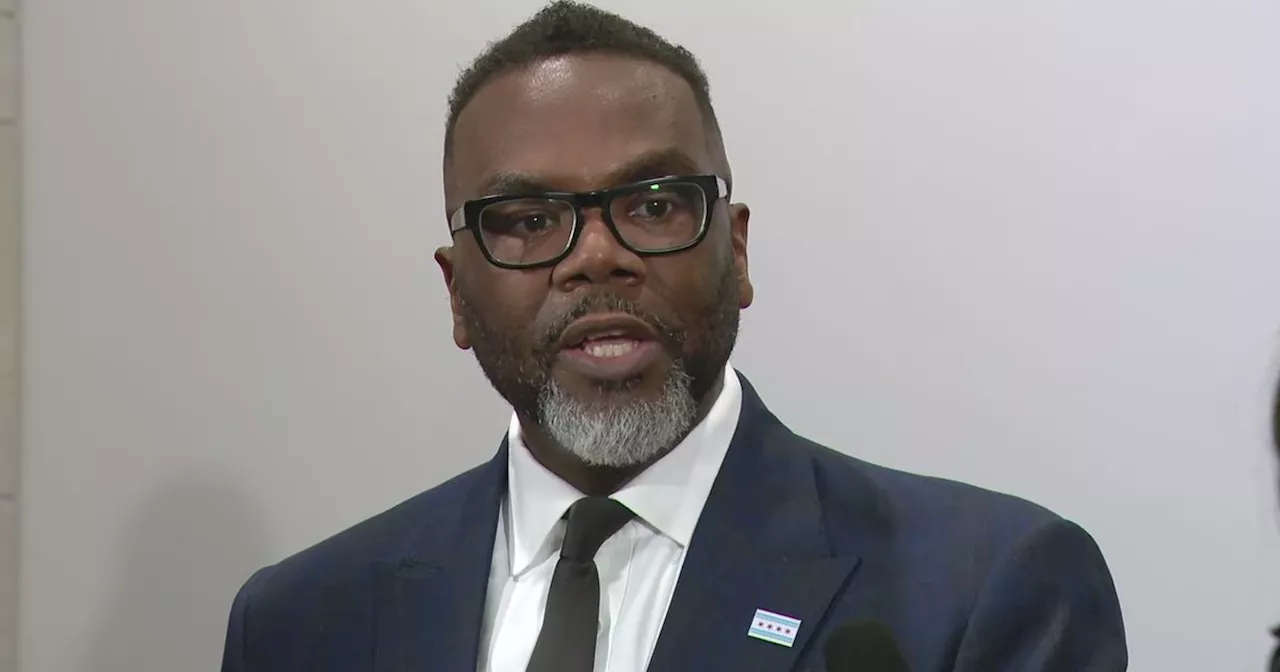
URGENT UPDATE: Chicago Mayor Brandon Johnson has just vetoed a controversial ban on hemp products that was set to take effect on April 1. This decision comes amid significant backlash from small business owners who argued that the ban would jeopardize jobs and disproportionately impact minority-owned establishments.
On Friday, Johnson announced his veto, emphasizing the importance of aligning local regulations with forthcoming federal guidance on hemp. In a statement, he expressed his concerns about the “premature” nature of the ban and its potential negative effects on the city’s vibrant small business community.
“I made the decision to veto this ordinance because I continue to have significant concerns around the current proposal,” Johnson stated. “This ban is premature and requires further collaboration with our small business community.”
The proposed ordinance would have effectively restricted sales of intoxicating hemp products to licensed cannabis dispensaries and certain liquor-licensed establishments, endangering many small hemp retailers like Chi’Tiva Lounge in the South Loop. Chi’Tiva owner Charles Wu described the potential impact as devastating, saying, “Our entire business would shut down. Employees would be laid off. And then there are the leases. I just can’t walk away from leases.”
The Hemp Coalition organized a rally on Thursday, urging Johnson to take action against the impending ban. Many business owners voiced their support for safety standards but warned that an outright ban would eliminate jobs and reduce tax revenue.
Johnson’s veto is not just a win for small businesses; it also reflects a broader understanding of the community’s dynamics. Many of these businesses are minority-owned and have turned to federally legal hemp as an entry point into the marketplace after being excluded from the expensive cannabis licensing process.
As the ACLU of Illinois has highlighted, history shows that banning products does not eliminate demand but instead drives it underground into unregulated markets. “Our responsibility is to pass thoughtful regulation, not to legislate entire segments of neighborhood business corridors out of existence,” Johnson added.
Johnson called on the City Council to collaborate with public health experts and community leaders to develop a balanced regulatory framework that protects consumers without dismantling small businesses. He stressed the need for strict age verification and responsible sales practices.
The urgency of this decision comes as business owners and advocates alike breathe a sigh of relief, knowing their livelihoods are protected for now. However, as the city awaits further federal regulations, the community remains on alert for what changes might come next.
Stay tuned for updates on this developing story as Chicago navigates the complex landscape of hemp regulation.