A unique etiquette dilemma has emerged for a couple as they navigate the nuances of polite responses to bodily functions. A woman, who recently moved in with her boyfriend, has discovered his habit of saying “bless you” not just after sneezes, but also following burps and flatulence. This peculiarity has led her to question whether this practice is a common custom or simply an unusual quirk.
When she inquired about this behavior, her boyfriend explained that he was taught it was a polite response. Originating from a cultural background in the Southern United States, he views this as an act of courtesy. The woman, however, feels uncomfortable with this response, particularly regarding flatulence, which she perceives as inappropriate, though she struggles to articulate why.
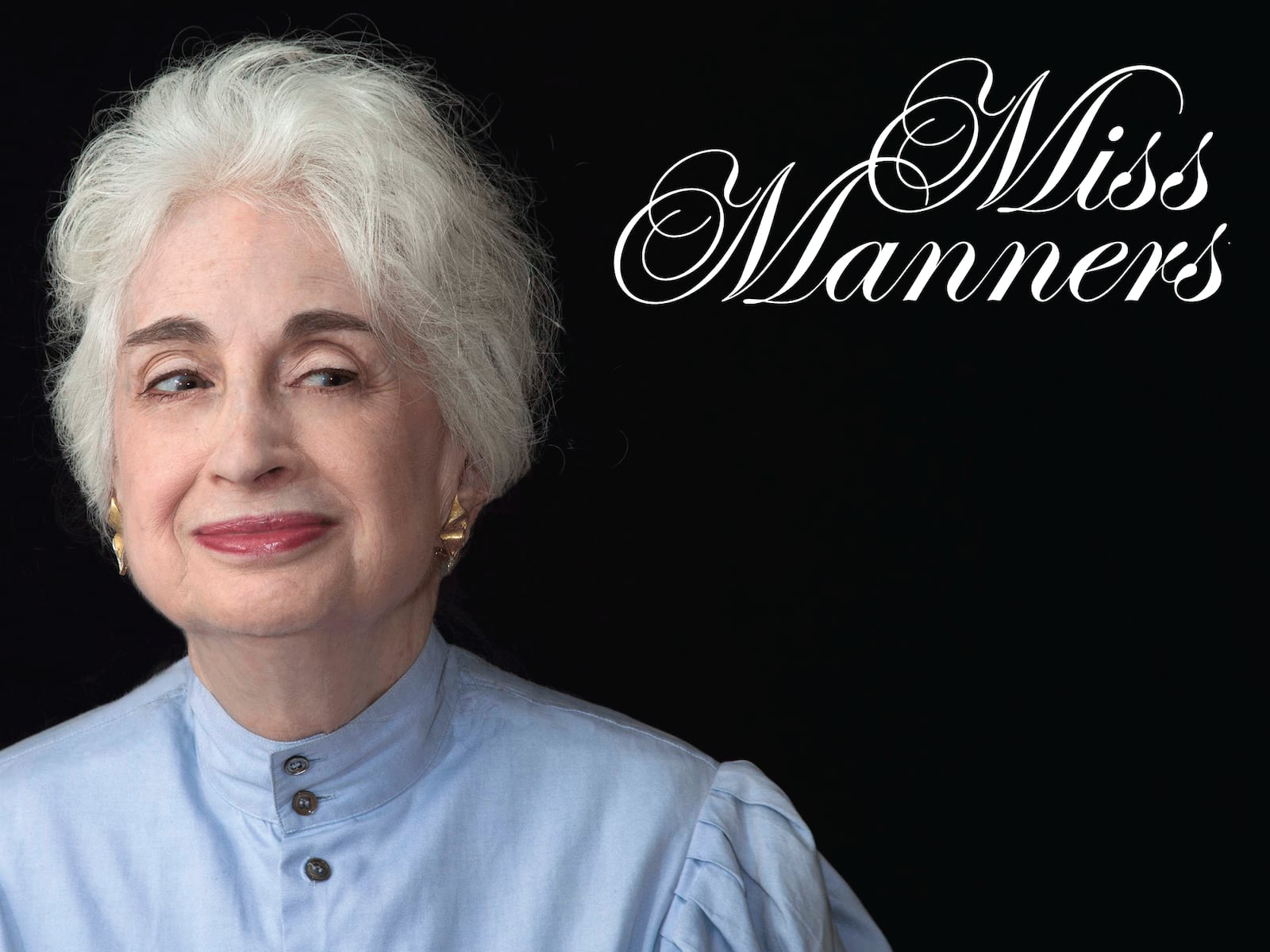
Miss Manners, the renowned etiquette expert, addressed this topic, noting that there is no clear rationale for why sneezing is often treated differently from burping or flatulence in social settings. All these actions are typically unintentional, yet society has established varying degrees of acceptability surrounding them.
Understanding the Nuances of Etiquette
Miss Manners pointed out that responding with “bless you” to anything other than a sneeze might come across as condescending. It implies that a sneeze is an innocent mistake while other bodily functions are somehow shameful. This distinction adds a layer of complexity to what some may perceive as harmless social niceties.
The conversation surrounding bodily functions and etiquette often varies widely across cultures and regions. In some communities, acknowledging sneezes with a “bless you” is a long-standing tradition, rooted in beliefs about health and well-being. Conversely, reactions to burps and flatulence can range from laughter to embarrassment, depending on the social context and cultural norms.
While the woman grapples with her boyfriend’s habit, it raises questions about the broader implications of such etiquette practices in relationships. Couples often find themselves navigating personal and cultural differences, which can lead to misunderstandings.
In this case, the woman is left pondering whether her boyfriend’s polite intention is overshadowed by her discomfort with the custom. As they continue to adjust to living together, open communication about their differing perspectives on etiquette may help bridge the gap.
Miss Manners encourages individuals facing similar situations to discuss their feelings candidly. Understanding each other’s backgrounds can lead to greater mutual respect and harmony in relationships.
For those interested in exploring more about social etiquette and communication, readers can reach out to Miss Manners through her website or email. Addressing concerns about manners can often lead to deeper insights into personal values and cultural practices.
Ultimately, navigating the intricacies of etiquette is an ongoing journey for many couples. Acknowledging differences and fostering open dialogue can help ensure that both partners feel comfortable and respected in their shared space.