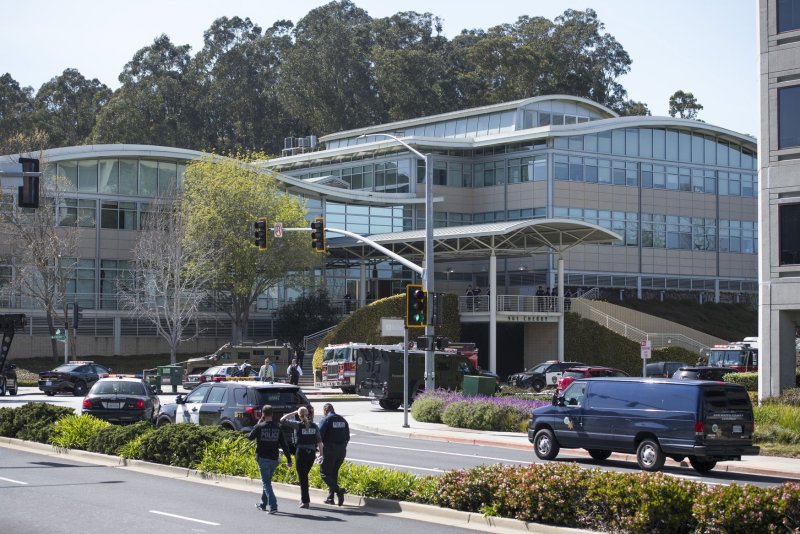
February 14 has witnessed a series of significant historical events, ranging from explorations to tragic incidents. This date marks the founding of YouTube in 2005, a platform that has transformed the way people share and consume video content globally. The site was created by former PayPal employees and was acquired by Google for $1.65 billion just a year and a half later.
Historical Milestones and Tragedies
In 1779, British navigator and explorer James Cook became the first known European to reach the Hawaiian Islands. His expedition ended tragically when he was stabbed to death by island natives during an investigation into the theft of a boat. The events surrounding Cook’s death highlight the complexities of early encounters between European explorers and indigenous populations.
On February 14, 1849, James Polk made history as the first sitting U.S. president to be photographed. This notable moment was captured by Mathew Brady, a photographer renowned for his Civil War images. The advancement of photography paralleled significant developments in American history, including the admission of Arizona as the 48th state of the United States in 1912.
Further, 1929 saw the notorious “St. Valentine’s Day Massacre,” where seven members of the George “Bugs” Moran gang were murdered in Chicago. Gunmen associated with Prohibition-era crime boss Al Capone were believed to be responsible for this brutal incident, which underscored the violent struggle for control during the era of organized crime.
Political and Social Developments
The establishment of political and social institutions has also marked February 14. In 1903, U.S. President Theodore Roosevelt signed legislation creating the Department of Commerce and Labor, reflecting the growing importance of regulating trade and labor relations in the rapidly industrializing nation.
In 1949, Israel’s legislature, the Knesset, convened for the first time, marking a significant step in the formation of the Israeli government. This event laid the groundwork for the country’s political development in the decades that followed.
The date has also been associated with controversy and violence. In 1989, Iranian leader Ayatollah Khomeini issued a death threat against author Salman Rushdie over his novel “The Satanic Verses.” Khomeini’s call for Rushdie’s assassination included a reward of $1 million, forcing the author into hiding for years. Iran formally rescinded the death sentence in 1998.
In more contemporary events, February 14 has also seen tragic incidents of violence. In 2018, a former student, expelled for disciplinary issues, entered Marjory Stoneman Douglas High School in Parkland, Florida, and fatally shot 17 individuals, including 14 students. This incident reignited debates over gun control and school safety in the United States.
The date is further marked by environmental findings. In 2022, researchers announced that a megadrought impacting the southwestern United States had been the driest in over 1,200 years, emphasizing the severe implications of climate change on regional weather patterns.
Most recently, in 2024, gunmen opened fire on partygoers near the Kansas City Chiefs’ Super Bowl victory parade, resulting in one fatality and over 20 injuries. This incident reflects ongoing concerns about public safety during large events.
February 14 is not just Valentine’s Day; it serves as a reminder of the diverse tapestry of historical events that have shaped societies across the globe. Each year, the date brings to light moments of triumph, tragedy, and transformation that resonate through time.