Building a high-performance gaming PC can be a thrilling experience, but for one enthusiast, the journey revealed several costly mistakes. Two years after constructing a custom setup, the owner reflects on how approximately $300–$350 was wasted on aesthetic choices and unnecessary features that added little to no performance.
Reevaluating Component Choices
The first major regret stems from selecting a $220 ASRock B650 Pro RS motherboard. Initially, it seemed like a smart investment due to its ATX form factor and PCIe 5.0 SSD slot. However, the owner now realizes that PCIe 4.0 is more than sufficient for gaming needs. The addition of a Gen5 SSD is unlikely to be necessary for at least another decade, suggesting that a less expensive motherboard would have sufficed. A $150 B650 Gigabyte motherboard would have delivered equal performance without the additional cost.
Another misstep involved the choice of case. The NZXT H9 Flow is a spacious mid-tower case, yet its size has proven cumbersome. Transporting it across the country was challenging, and the owner now acknowledges that a smaller case could have met their needs without sacrificing performance. A friend’s successful build with a Corsair 2500X case demonstrated that similar cooling capabilities can be achieved with a more manageable design.
Unnecessary Cooling Solutions and Accessories
The decision to invest in a $120 all-in-one liquid cooler for the Ryzen 5 7600X also raises questions. Although the liquid cooler looked appealing, it was not essential for this processor, which operates effectively at high temperatures. A more economical air cooler, such as the AK620, could have provided sufficient cooling at half the price, saving money without sacrificing stability.
Additionally, the owner purchased a vertical GPU mounting kit, drawn in by aesthetics rather than functionality. Despite the visual appeal, the vertical setup did not enhance performance. The Lian Li O11 Dynamic mounting kit cost around $70 and was an unnecessary expense in retrospect. The owner now wishes they had allocated those funds toward a more impactful purchase.
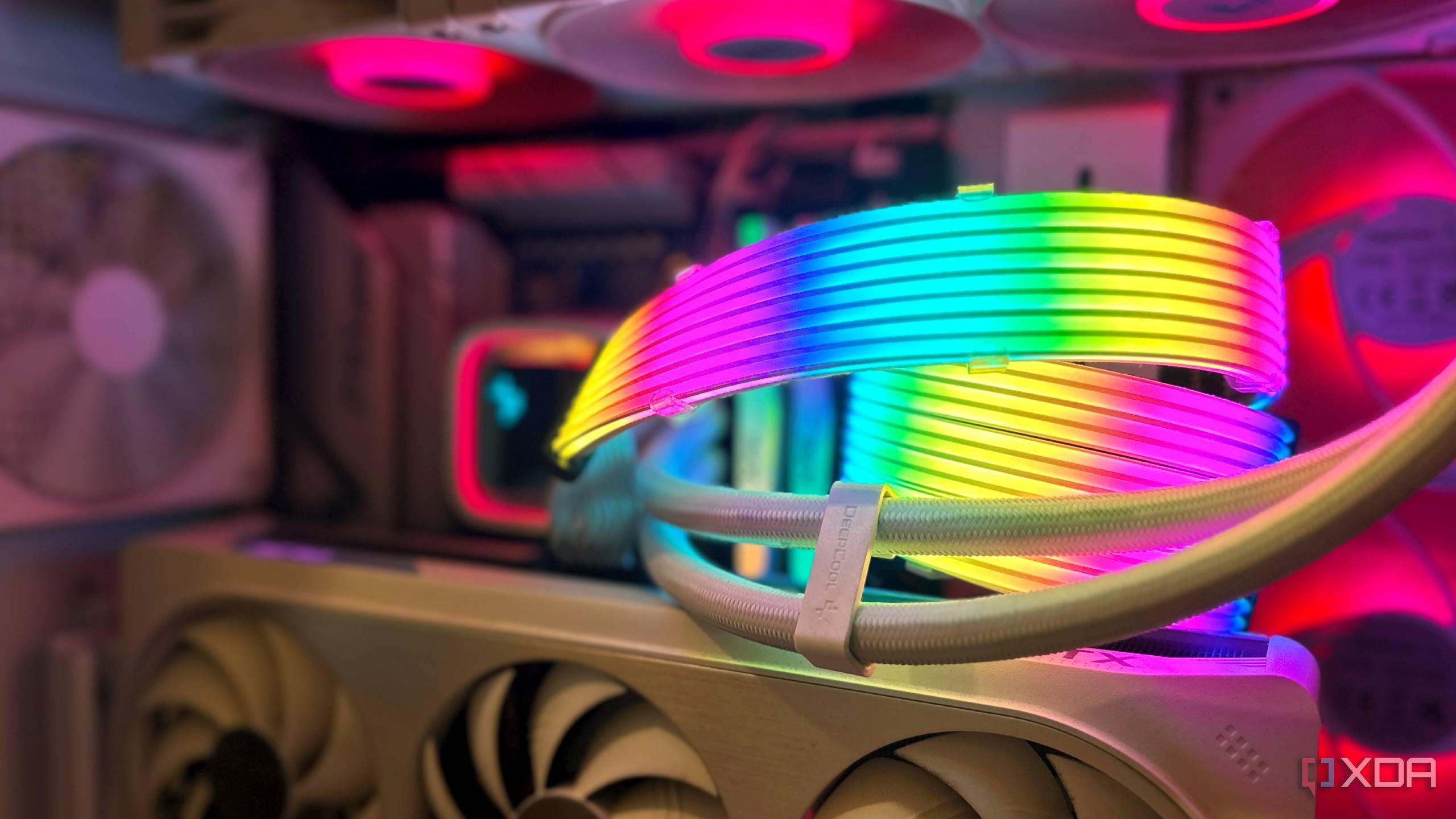
The allure of RGB lighting also played a role in spending decisions. While shopping for components, the owner was persuaded to buy a $150 Lian Li Strimer RGB kit for $100. Although visually striking, the RGB cables serve no practical purpose for gaming performance, presenting another instance where aesthetics took precedence over functionality.
Lastly, the choice of the NVIDIA RTX 4070 Ti over the RX 7900 XT was partly driven by the appealing design of the Gigabyte Aero OC edition. While the card’s aesthetics contributed to its appeal, it delayed the build and increased costs by an additional $90. The owner acknowledges that game performance does not depend on a card’s color or design.
In total, these reflections reveal that enthusiasm can sometimes overshadow logic during the decision-making process. Despite the financial missteps, the owner does not regret the build. The gaming PC continues to deliver joy and satisfaction.
As they reflect on these experiences, they encourage future builders to consider functionality over aesthetics. With careful planning, it is possible to channel funds into components that enhance performance rather than simply offering visual appeal.