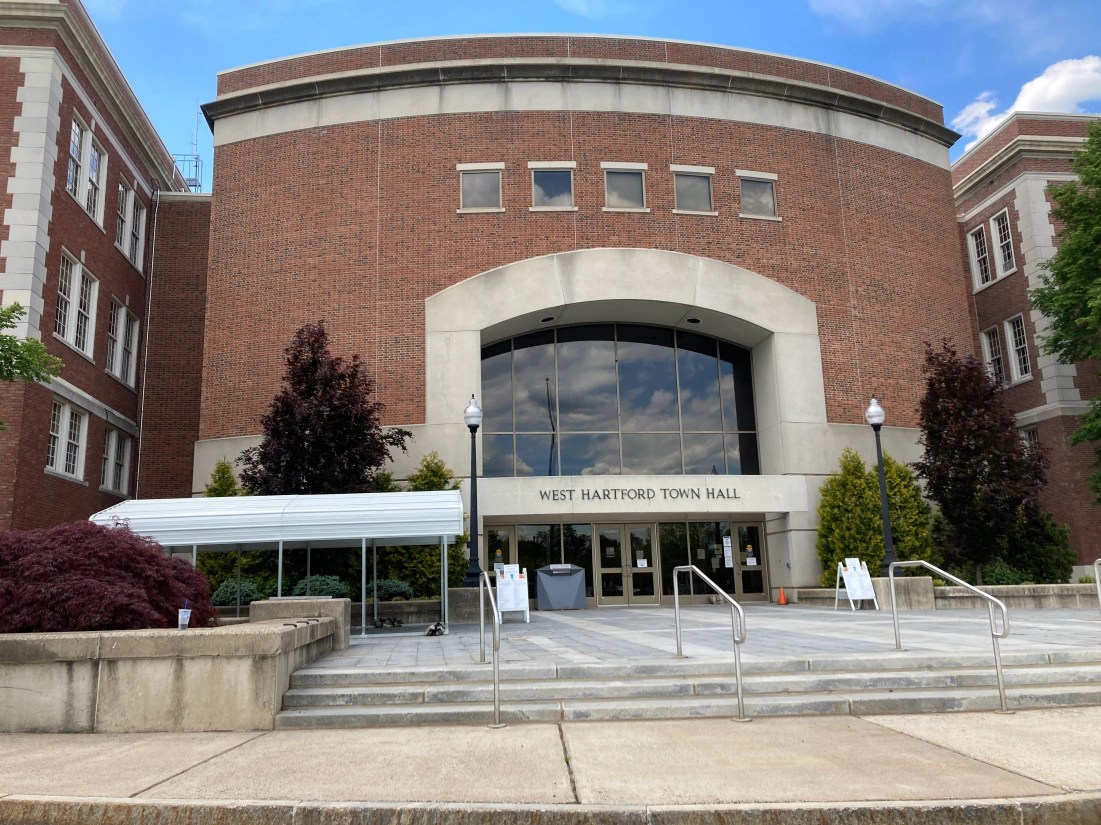
The West Hartford Town Council has voted against a proposal to modify zoning regulations regarding the storage of recreational vehicles (RVs) in residential areas. The measure, presented by resident Michael Cervone, aimed to clarify existing zoning laws and create standards for RV storage, but ultimately failed in a vote of 7-2.
Cervone argued that the town’s current zoning code does not adequately address the storage of recreational vehicles, which has led to confusion among residents and inconsistencies in enforcement. He expressed that the proposal was designed to bring clarity by defining recreational vehicles and setting forth reasonable standards for their outdoor storage in single-family residential districts.
During the council meeting, Cervone emphasized the need for a clear definition of a recreational vehicle, stating it should include vehicles designed for leisure, travel, or temporary accommodation, such as motor homes, campers, and trailers. He noted that the proposal would help ensure that both residents and enforcement officers share the same understanding of what constitutes an RV.
Cervone’s suggested modifications included changes to Section 177-2 and Section 177-6 C of the West Hartford Zoning Ordinances. He proposed that if RVs are stored outside, they must be parked behind the front of the main building and at least 10 feet away from side or rear lot lines. This requirement aimed to prevent RVs from being parked in visible locations, such as driveways or front yards, thereby maintaining neighborhood aesthetics.
The proposal also specified that RVs could not be used for sleeping, cooking, or conducting business, and must be kept in good repair and clean condition. Cervone argued that these conditions were important for preventing issues related to inoperable or abandoned vehicles and ensuring that RVs do not become dwelling units.
Despite Cervone’s efforts to present a well-structured proposal, it faced resistance from the council. Todd Dumais, the West Hartford Town Planner, cited concerns regarding the language of the ordinance, indicating it could create enforcement challenges. He noted that the definition of a recreational vehicle was potentially too permissive, particularly regarding non-commercial utility trailers.
Council member Jason Wang expressed surprise at the opposition to the proposal, emphasizing the individual freedom to own RVs without harming others. He highlighted the burden of taxes on RV owners, questioning the fairness of the situation given that residents are taxed on vehicles they cannot park on their property.
Following the vote, Gayle Harris sought clarification on whether RVs are taxed while residents are prohibited from parking them at home. The discussion revealed that discrepancies exist between property assessments and zoning permissions, indicating wider issues within the town’s regulations.
Mayor Shari Cantor acknowledged the validity of concerns raised during the discussions and indicated that while she appreciated the intent of the proposal, it was too broad in its current form. She suggested further study in committee to explore a more narrowly tailored ordinance that could address the needs of RV owners while considering neighborhood character.
Cervone maintained that the issue of RV storage was a problem in need of immediate attention, emphasizing the necessity for regulations that align with practices in surrounding communities. He reiterated that his proposal was not aimed at changing land use or residential density but rather at providing clarity on accessory uses that already exist within the community.
As the debate continues, the West Hartford Town Council faces the challenge of balancing residents’ rights to store recreational vehicles with the desire to maintain the aesthetic integrity of neighborhoods.