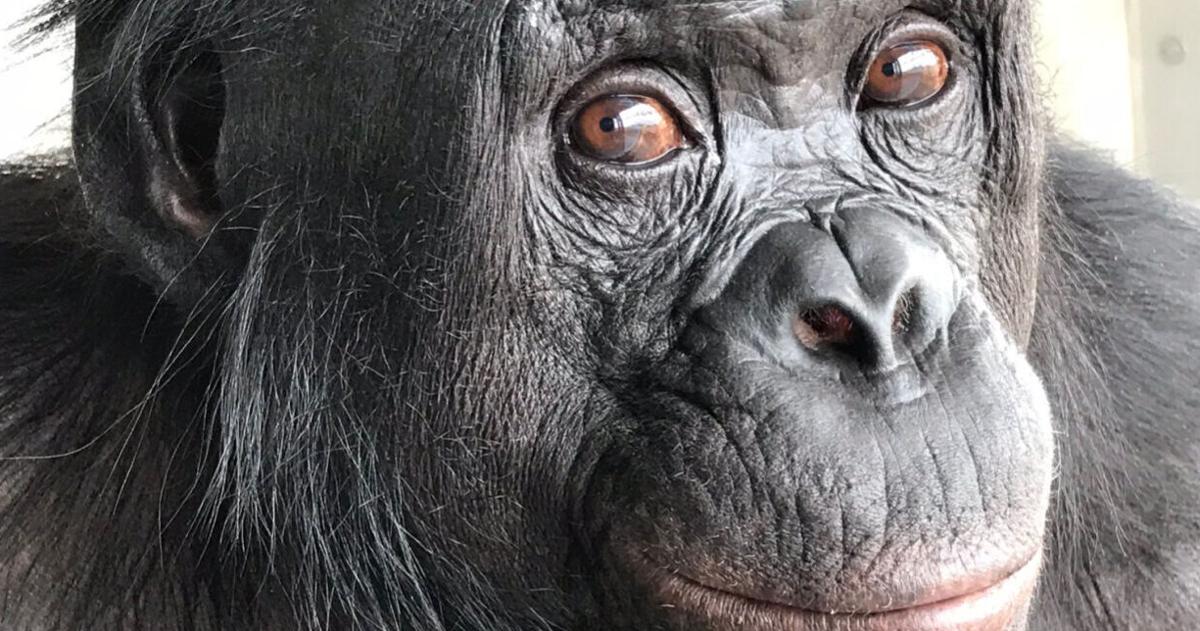
Research conducted by a team at the University of Cambridge has revealed that certain species of apes may possess the ability to engage in pretend play. This study, published in July 2023, explores the cognitive capacities of apes in a way that mimics the imaginative play observed in young children.
Pretend play is a fundamental aspect of childhood development, typically emerging around the age of two. Children often engage in various forms of role-playing, transforming everyday objects into elements of their imaginative worlds. The researchers sought to determine if apes could similarly engage in this form of play by using an experimental setup involving imaginary juice.
In the experiment, the scientists presented apes with a scenario where they could interact with a prop that resembled a juice container. The twist was that the juice was not real but rather a concept that the apes had to understand. By observing the behavior and reactions of the apes, the researchers aimed to see if they would pretend to drink from the container, thus indicating an understanding of the concept of ‘pretending.’
The findings suggest that some apes did indeed exhibit behaviors consistent with pretend play. This challenges previous assumptions about the cognitive limitations of non-human primates. Dr. Sarah Smith, a leading researcher on the project, emphasized the significance of this study, stating, “Our results indicate that the capacity for imaginative thought may not be unique to humans. This discovery opens up new avenues for understanding the evolution of cognition in primates.”
The implications of this research extend beyond academic curiosity. It prompts a reevaluation of the social and emotional complexities present in ape populations. By recognizing the potential for imaginative play in apes, scientists are better equipped to understand their behaviors and social structures.
The study was conducted in compliance with ethical guidelines set forth by the American Psychological Association, ensuring that the welfare of the apes was prioritized throughout the research process. The findings have sparked interest in further studies examining the cognitive abilities of other species, potentially reshaping how we view intelligence in the animal kingdom.
As the research community continues to investigate this area, the results could influence educational approaches and conservation strategies aimed at protecting these intelligent creatures. Understanding their cognitive capabilities is vital for fostering environments that promote their well-being in captivity and the wild.
This intriguing exploration into the world of ape cognition not only highlights the complexity of their behavior but also serves as a reminder of the intricate connections between humans and our closest relatives in the animal kingdom. As scientists delve deeper into the realms of animal behavior, the boundaries of what defines intelligence continue to expand.